Tariffs Impact on Airlines and Autos: What You Need to Know
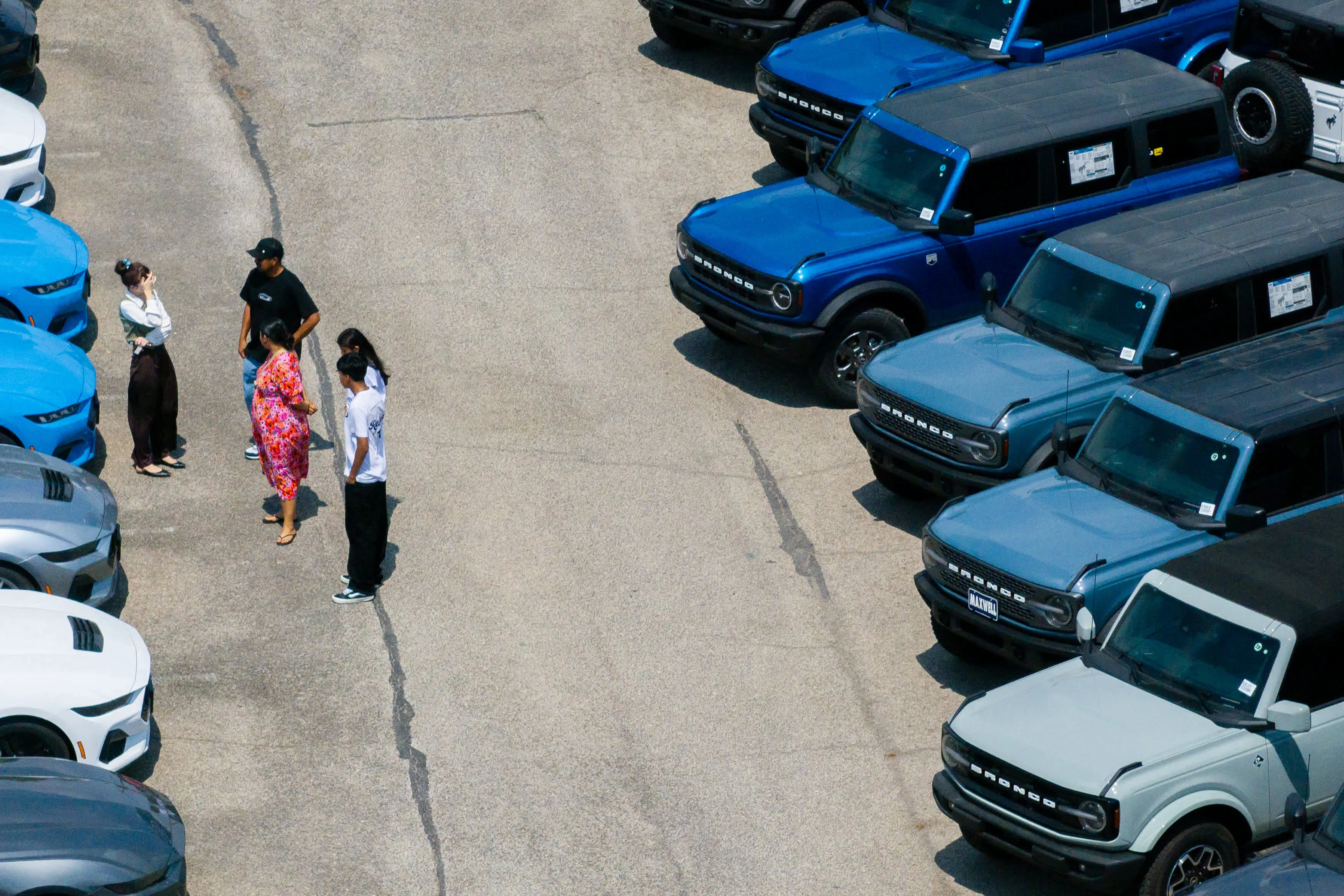
Tariffs Driving Change in Consumer Behavior
Recent tariff implementations have spurred consumers to alter their buying patterns, particularly in the autos and airlines sectors. Donald Trump's economic policies, coupled with significant politics, have triggered fears of escalating prices, resulting in a rush to acquire vehicles before potential price hikes. Notably, major companies like Apple Inc and Walmart Inc have also felt the tremors of these trade dynamics.
Key Insights
As consumers grapple with these changes, a segment shows hesitance in purchasing, leading to a thirst for bargains. The retail industry, comprising brands like Chipotle Mexican Grill Inc and PepsiCo Inc., is adapting to this shifting landscape as tariffs reshape spending habits.
- Immediate purchases on automobiles rise among consumers fearful of tariff impacts.
- Uncertainty surrounding trade politics breeds cautious spending.
- Seeking deals and promotions becomes prevalent due to potential price inflation.
Economic Events at Play
Current economic events in areas such as Dallas signal changing market forecasts for both airlines and automobiles as companies like United Airlines Holdings Inc, Southwest Airlines Co, and Delta Air Lines Inc navigate these turbulent times.
This article was prepared using information from open sources in accordance with the principles of Ethical Policy. The editorial team is not responsible for absolute accuracy, as it relies on data from the sources referenced.