Hong Kong Currency Peg Faces Fresh Challenges Amid Capital Influx from Stock Connect
Hong Kong Currency Peg Faces Fresh Challenges Amid Capital Influx
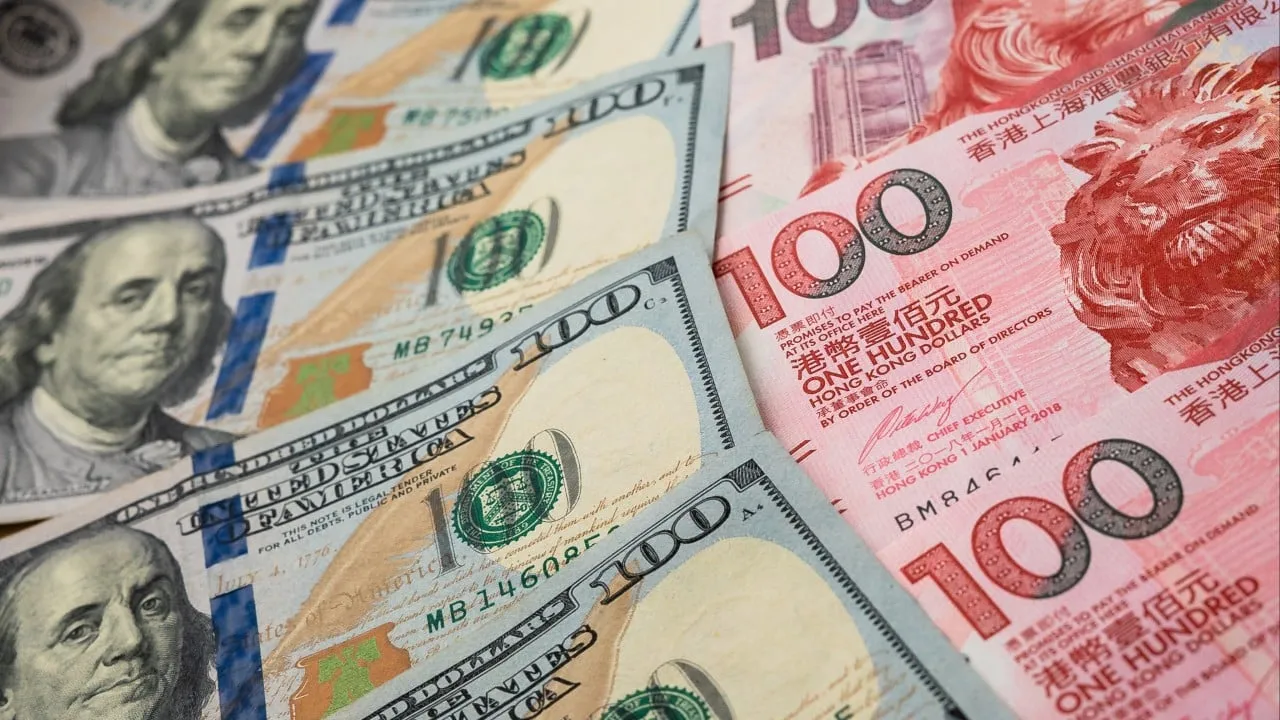
The Hong Kong Monetary Authority (HKMA) has stepped into the financial arena, intervening in the market to stabilize the Hong Kong dollar, which has surged beyond its trading band against the US dollar due to significant capital inflow spurred by the Stock Connect scheme. This marks the first intervention in two years, with the HKMA purchasing US$6.005 billion at HK$7.75 while selling HK$46.539 billion worth of local currency.
Intervention and Market Conditions
As the US Federal Reserve approaches its next meeting regarding potential interest rate cuts, further interventions may be anticipated. Bankers suggest that the buoyancy of the Hong Kong dollar is linked to increased demand related to equity investments, with an HKMA spokesman noting the recent appreciation of regional currencies against the US dollar significantly contributes to this strength. The last similar intervention occurred in October 2020 amid growing capital inflow resulting from major public listings in Hong Kong.
Investor Confidence in the Hong Kong Market
Tom Chan Pak-lam, chairman of the Hong Kong Institute of Securities Dealers, remarked that the money inflow demonstrates confidence in the Hong Kong market. The Hong Kong dollar has maintained its peg to the US dollar since 1983, with the HKMA working to keep the exchange rate within the trading band of HK$7.75 to HK$7.85 per US dollar.
Future Perspectives and Economic Impact
Following the recent settlement, the HKMA's balance is projected to increase significantly, enhancing liquidity in the banking sector. The current intraday trading conditions suggest that the Hong Kong dollar is likely to fluctuate between HK$7.757 and HK$7.78. The influx of capital, especially from mainland China, indicates potential resilience in the Hong Kong market amidst global trade tensions.
This article was prepared using information from open sources in accordance with the principles of Ethical Policy. The editorial team is not responsible for absolute accuracy, as it relies on data from the sources referenced.