Tariffs and China's Currency Volatility: Insights into the Yuan's Surge
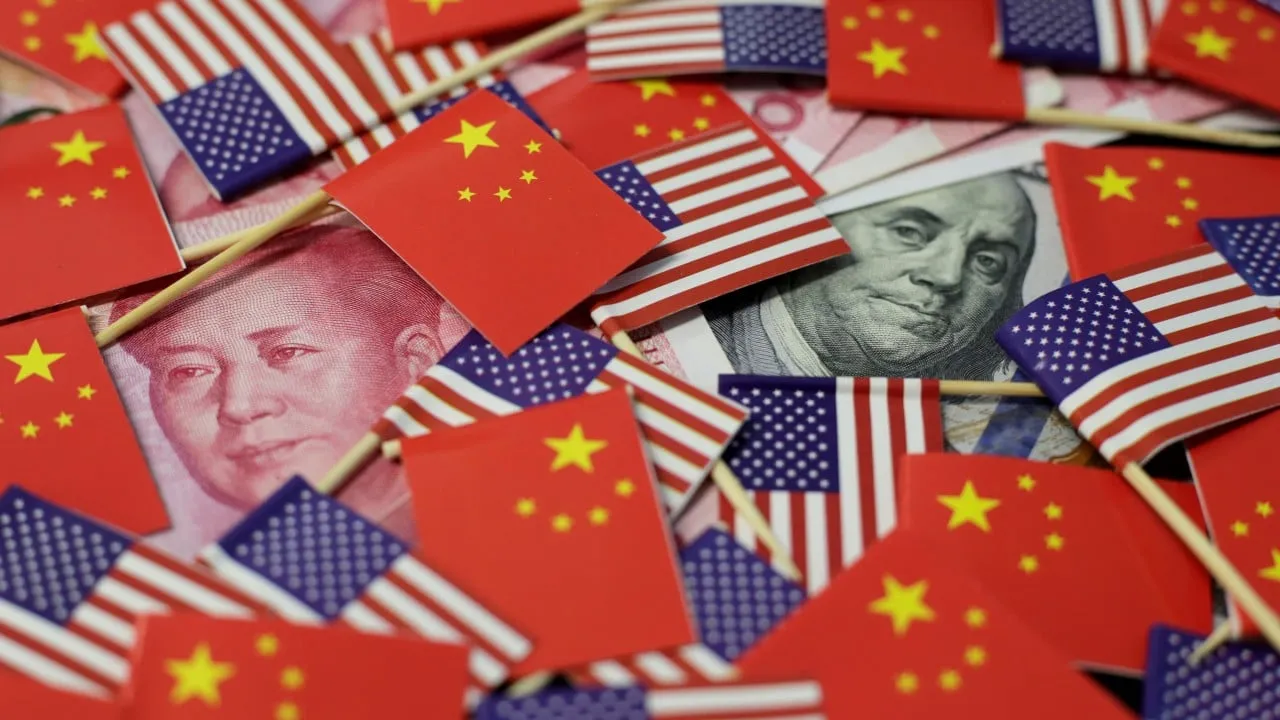
Tariffs Impact on the Chinese Economy
Tariffs imposed on China have caused significant volatility in the currency market, particularly affecting the renminbi's performance against the US dollar. Recently, the offshore yuan has surged past the 7.2 level against the dollar for the first time in six months, indicating a shift in market sentiment.
Expectations of Negotiations and Market Response
Economists like Xu Tianchen suggest that the anticipated action plan between the US and China may involve a rollback of some tariffs. Such developments could stabilize the yuan and make Chinese assets more appealing for global investors looking beyond the US dollar amidst growing uncertainties.
Factors Influencing the Yuan's Strength
- Expectations of decreased tariffs
- Chinese government's measures to internationalize the yuan
- Investor diversification away from US assets
As China emphasizes the importance of maintaining a stable currency, the international economic landscape is poised for potential shifts, particularly benefiting countries in the Global South.
The Impact of US Tariffs
With US President Donald Trump's statements suggesting a potential lowering of tariffs, comments from China reflect an understanding that ongoing tensions require careful management. Investing in Chinese currency and the offshore yuan could present new opportunities in this shifting economic climate.
This article was prepared using information from open sources in accordance with the principles of Ethical Policy. The editorial team is not responsible for absolute accuracy, as it relies on data from the sources referenced.