Beijing's Economic Strategy: US Dollar Reliance Despite Tensions
Analysis of China's Stance on US Dollar
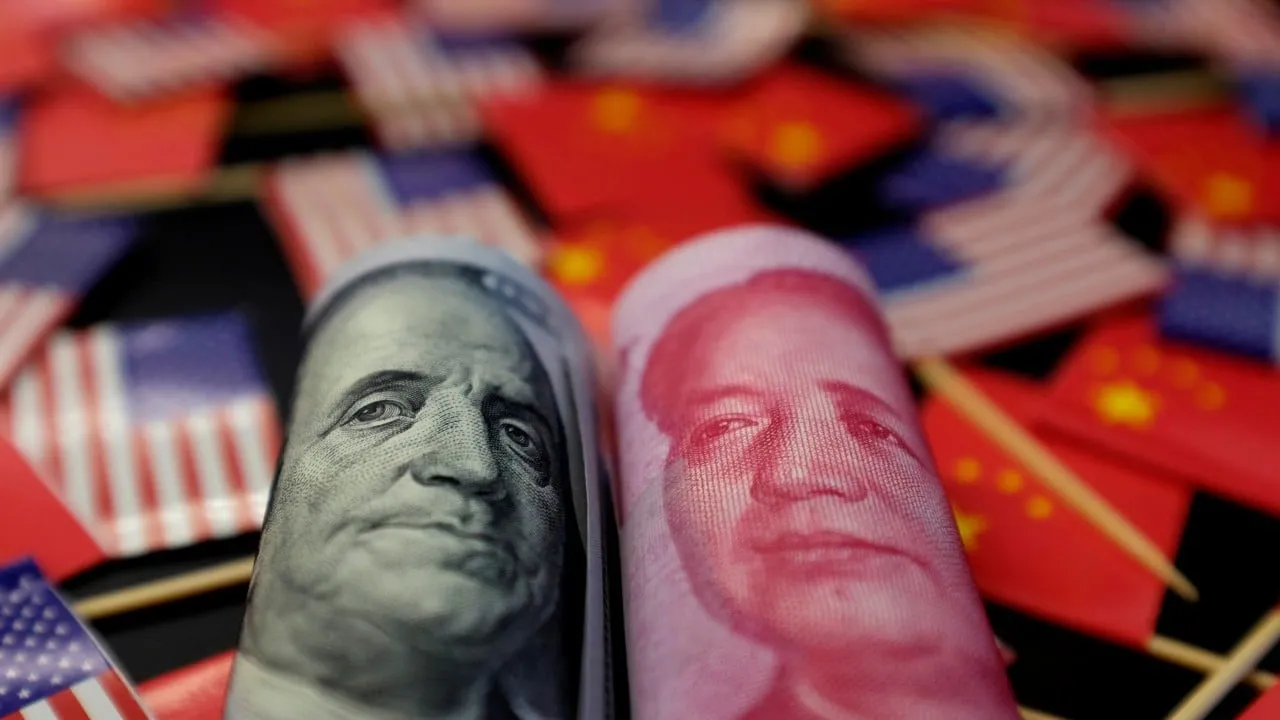
In a recent report by Oxford Economics, it has been indicated that China has done little to de-dollarise its economy despite a push to resist Washington amidst a tumultuous trade war. As an exporting nation, it remains unlikely that Beijing will back away from its substantial American currency holdings in the short term.
Market Volatility and China’s Foreign Reserves
The report notes that current data suggests a delink between China and the recent volatility in US bond markets. This is relevant as US President Trump has previously imposed tariffs that created significant pressure on China.
- Chinese authorities lack suitable alternatives to the dollar for their US$3.2 trillion in official foreign exchange reserves.
- Export orientation necessitates a reliance on dollar-denominated assets.
Future Implications of Yuan Weakening
As trade tensions continue, there is a prevailing sentiment that China may opt to weaken the yuan rather than liquidate US Treasury assets. This move is seen as a way to bolster export volume without directly escalating tensions with the US.
What Lies Ahead for China and the US Dollar?
Reports suggest that China's holdings of US Treasuries may have decreased, yet this doesn't indicate an aggressive shift away from the dollar. As seen with Japan, the US dollar remains deeply integrated into both countries' economic frameworks despite tariffs and trade negotiations. The road ahead for Beijing will likely remain complex given these interdependencies.
This article was prepared using information from open sources in accordance with the principles of Ethical Policy. The editorial team is not responsible for absolute accuracy, as it relies on data from the sources referenced.