Trump Imposes Major Tariff on Brazil Following Bolsonaro's Prosecution
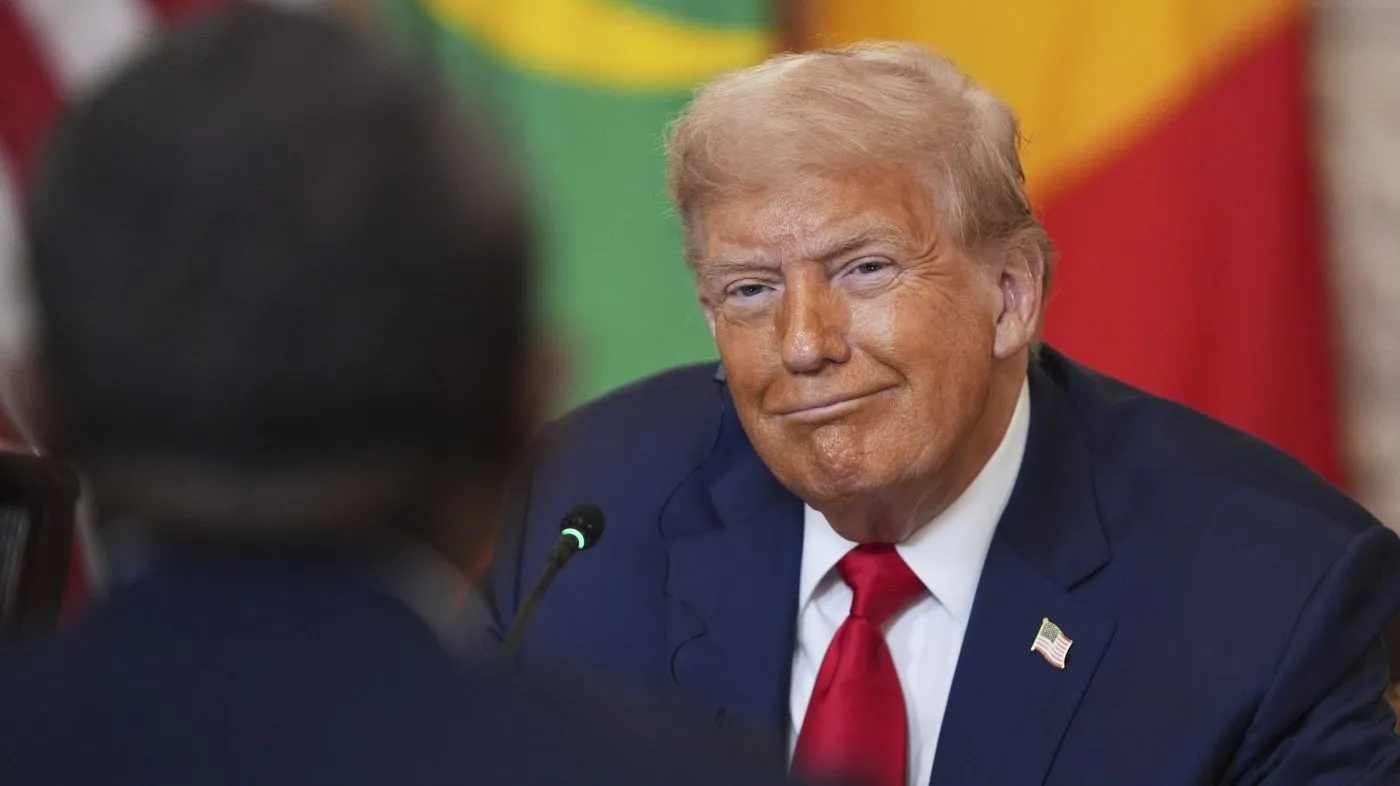
Trump's Tariff Announcement on Brazil
President Trump unveiled a bold plan to impose a 50 percent tariff on all goods imported from Brazil, taking effect on August 1. This decisive action is partially driven by the prosecution of former President Jair Bolsonaro, who faces allegations related to attempts to remain in power after an electoral loss. Trump criticized Brazil's handling of Bolsonaro, pointing to ongoing trials.
Reasons Behind the Tariff
- Trump's strong disapproval of Brazil's treatment of a highly respected leader.
- The assertion that Brazil's actions constitute a witch hunt.
- Impact on free elections and free speech rights for Americans.
In a letter addressed to current Brazilian President Luiz Inácio Lula da Silva, Trump expressed, "The way that Brazil has treated former President Bolsonaro is an international disgrace. This trial should not be taking place. It is a witch hunt that should end IMMEDIATELY!" He reiterated that tariff and non-tariff barriers have influenced his decision.
Broader Implications
This new tariff is part of Trump's broader strategy, which includes steep tariffs on over a dozen nations starting on the same date. Trump stated, "I am calculating tariff rates based on common sense, based on deficits, based on how we’ve been treated over the years." This implies a move away from solely economic reasoning in favor of personal sentiment.
Trump and Bolsonaro's Relationship
Trump and Bolsonaro have previously expressed mutual admiration, and the situation reflects vast political similarities. Bolsonaro's legal battles echo Trump's refusal to concede following the 2020 election loss, indicating a shared narrative that spans beyond mere economics.
Continuing tensions in bilateral relations may further impact trade policies and international collaborations.
This article was prepared using information from open sources in accordance with the principles of Ethical Policy. The editorial team is not responsible for absolute accuracy, as it relies on data from the sources referenced.