Tariff Levels Are at Risk of Returning to 'Liberation Day' Rates, Says Bessent
Potential Tariff Reversal Amidst Negotiation Pressures
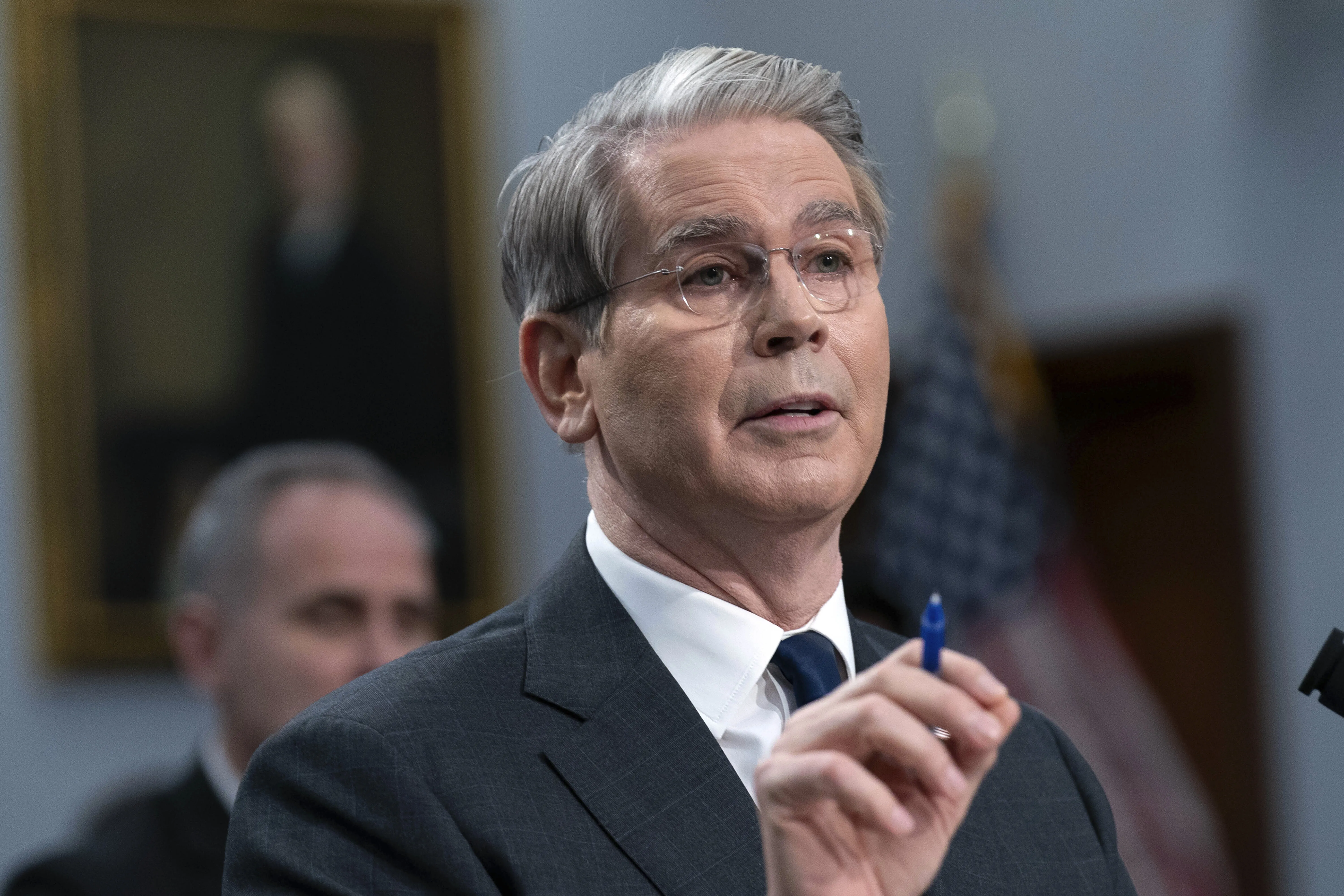
Treasury Secretary Scott Bessent on Sunday warned that the reciprocal tariffs on trading partners could go back to the rate slapped on them on "Liberation Day" last month if they don't engage in good faith negotiations. “I think that it would be the April 2nd level,” Bessent said on NBC's “Meet the Press with Kristen Welker.” He stressed that a failure to negotiate would result in the restoration of the previous tariff levels.
Key Highlights from Bessent's Remarks
- Bessent identified that some countries faced tariffs at 10 percent, while others experienced significantly higher rates.
- The negotiations are necessary to avoid reverting tariffs back to April 2 levels.
- This could indicate a more restrictive trade environment if negotiations do not proceed positively.
Recent Developments in Tariffs
Trump paused the reciprocal tariffs on trading partners for 90 days a week after “Liberation Day” amid pressure from Wall Street and Republicans due to market volatility. He initially imposed a 10 percent tariff across-the-board on all foreign nations except China.
- Imposed a 145 percent tariff on China, recently lowering it to 30 percent.
- A trade deal with the United Kingdom was reached, enhancing market access for American exports.
- Bessent is leading ongoing negotiations and addressing recent market reactions.
Despite lower tariffs on China, major corporations like Walmart have indicated price increases are imminent, raising further concerns about the broader economic impact of fluctuating tariffs.
This article was prepared using information from open sources in accordance with the principles of Ethical Policy. The editorial team is not responsible for absolute accuracy, as it relies on data from the sources referenced.