Chinese Electric Vehicle Leapmotor Moves Production from Poland to Stellantis Facility
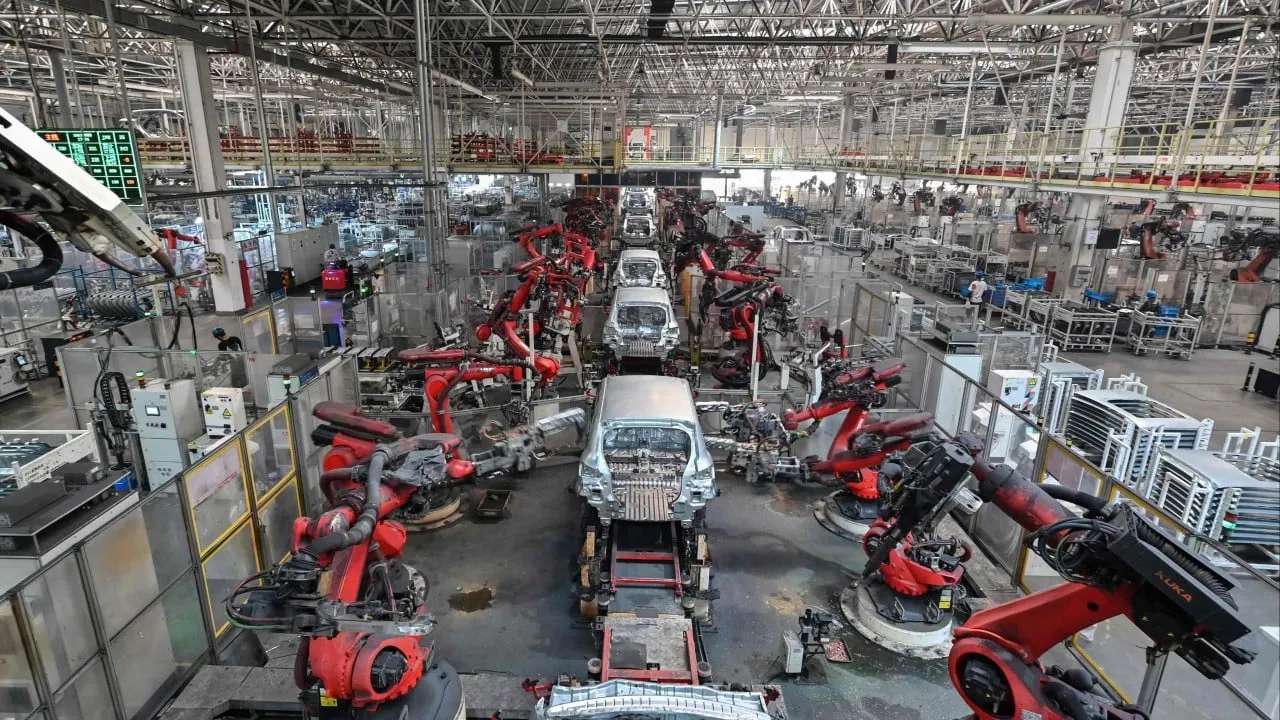
Chinese Electric Vehicle Leapmotor Shifts European Production
Leapmotor, a prominent player in the Chinese electric vehicle (EV) sector, is making a significant move by relocating its European production from Poland to a Stellantis facility in Spain, Germany, Italy, or Slovakia. This transition follows the cessation of vehicle assembly in Poland earlier this year due to unfavorable tariff conditions.
Production Timeline and Costs
According to Michael Wu, co-president of Leapmotor, a decision is likely to be made in June or July, with production expected to commence mid-next year. As Wu noted, the previous Polish production relied heavily on components sourced from China, leading to tariff implications. To mitigate this, the new strategy will emphasize local component assembly, although this is anticipated to increase production costs by approximately 10 percent.
Expansion Plans
Despite the increase in costs, Leapmotor has no plans to raise vehicle prices. The company is focusing on broadening its sales and service network to stimulate volume growth. Their goal is to ensure that by 2025, 10 percent of their total global sales stem from outside of China. Leapmotor aims to achieve global vehicle sales of 500,000 to 600,000 units this year, a significant increase from their previous year’s total of 293,724 vehicles, with only 4 percent sold internationally.
Historical Context and Future Outlook
- Leapmotor commenced T03 EV production at Stellantis' Tychy plant in June 2024, marking its first European production site.
- A joint venture was formed in May, granting Stellantis exclusive rights for Leapmotor products outside China.
- Recent reports indicate that T03 production at the concluded Polish facility halted in March due to strategic underpinnings stemming from Chinese governmental directives regarding investments in Europe.
In a positive light, Leapmotor reported a doubling in revenue for 2024 to 32.16 billion yuan (approximately US$4.46 billion), with international market contributions rising significantly.
This article was prepared using information from open sources in accordance with the principles of Ethical Policy. The editorial team is not responsible for absolute accuracy, as it relies on data from the sources referenced.