Kraft Heinz Splits After Merger: Impacts of Changing Consumer Tastes
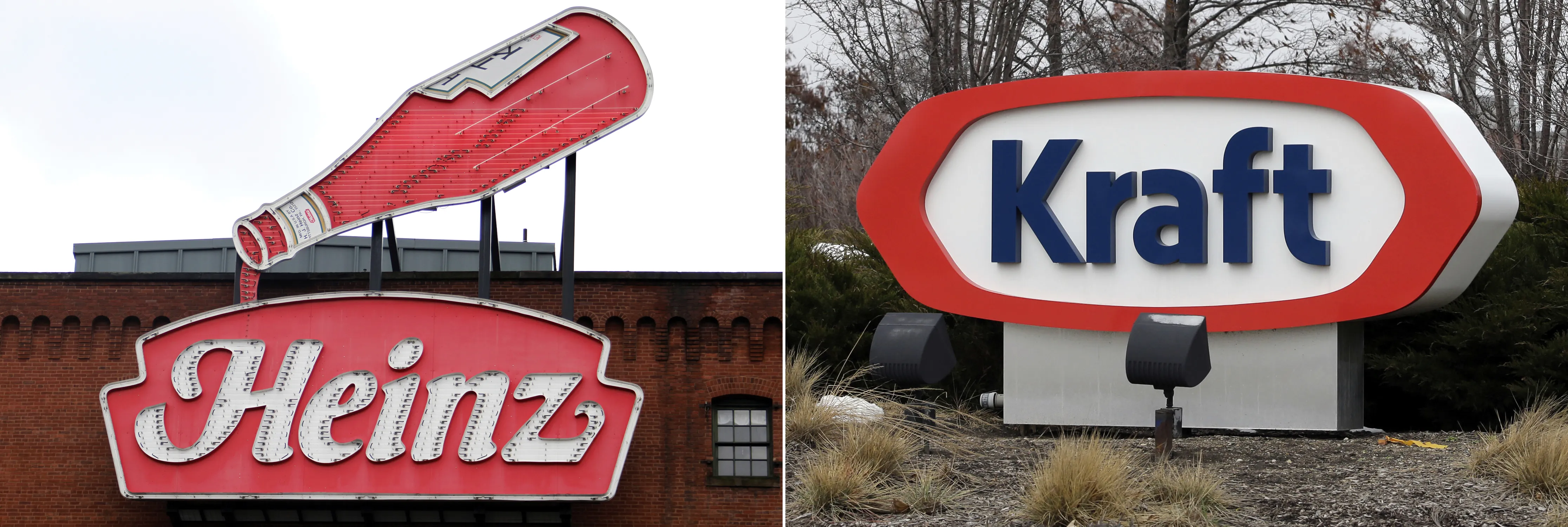
Kraft Heinz Splits: A Strategic Move in Response to Changing Tastes
Kraft Heinz is undergoing a significant transformation by splitting into two separate companies, reflecting shifting consumer tastes that challenge traditional food manufacturing models. This strategic decision arises a decade after the historic merger that formed one of the largest food producers globally.
Overview of the Split
- The two new companies will be Global Taste Elevation Co., housing iconic brands like Heinz and Philadelphia cream cheese.
- North American Grocery Co. will manage slower-selling brands such as Maxwell House and Oscar Mayer.
Reasons Behind the Split
As changing consumer preferences drive demand for healthier options, Kraft Heinz recognizes the need to redefine its operational structure. This decision follows extensive strategic reviews and indicates a pivot towards more agile market behavior.
The Financial Landscape
- Kraft Heinz's net revenue has consistently declined since 2020.
- Significant investments have been made into higher-growth brands.
The leadership acknowledges the complexity of the current business structure as a barrier to effectively capturing market opportunities and prioritizing innovation.
Historical Context
Launched in 2015 through a record-breaking merger led by Warren Buffett and 3G Capital, the consolidation aimed to leverage economies of scale. However, consumer trends towards less processed foods have challenged this growth model.
Future Outlook
With transitions ahead, Kraft Heinz is poised to re-establish itself in the evolving food sector. Industry experts suggest the split may facilitate better resource allocation and foster innovation.
This article was prepared using information from open sources in accordance with the principles of Ethical Policy. The editorial team is not responsible for absolute accuracy, as it relies on data from the sources referenced.