Republicans Divided on Stopgap Strategy to Prevent Government Shutdown
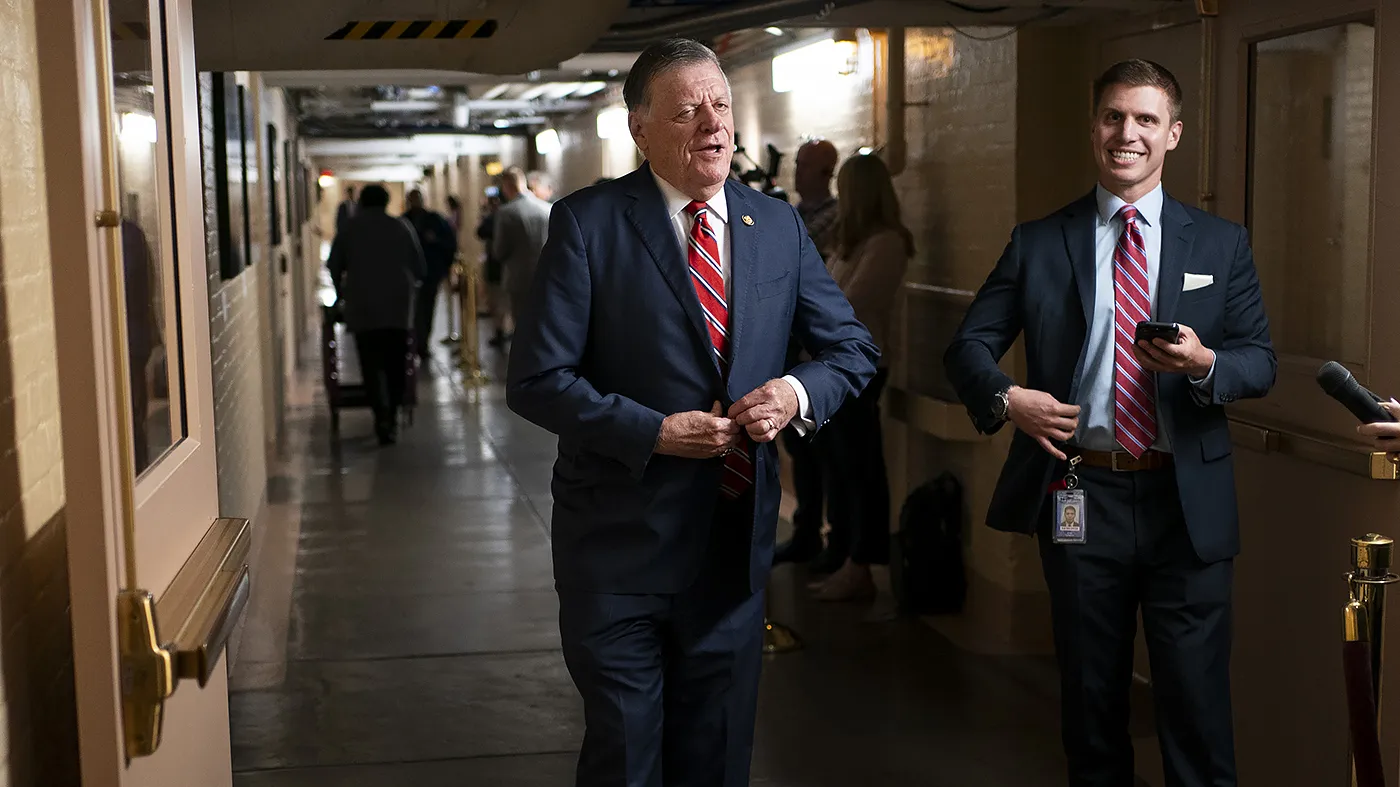
Republicans Divided on Stopgap Strategy Amid Funding Deadline
Republicans are facing significant divides as they formulate a stopgap strategy to avert a looming government shutdown, with funding deadlines fast approaching. With only 12 legislative days remaining until funding runs out, top Republican appropriators advocate for a short-term funding patch lasting into November. This approach is seen as essential to allow time for negotiations on a broader fiscal agreement that would fund the government through early fall of 2026.
Hard-line Conservatives Push for Full-Year Resolution
Contrary to these short-term advocates, some hard-line conservatives express concern about potential ramifications from a significant year-end omnibus spending bill. They are advocating for a full-year continuing resolution (CR), wary of compromising with Democrats over increased spending. House Freedom Caucus Chair Andy Harris (R-MD) emphasized that he would prefer a long-term approach if funding discussions extend into the next year.
Negotiations on Future Funding Levels
House Appropriations Chair Tom Cole (R-OK) suggests that a short-term stopgap could lead to fruitful conversations surrounding new funding levels in line with Republican priorities. However, some Republicans fear rising tensions may provoke a government shutdown. Meanwhile, bipartisan negotiations continue as the end of the fiscal year approaches on September 30.
Looking Ahead: A Potential Shift in Funding Dynamics
While the implications of the upcoming decisions weigh heavily on party leadership, Speaker Mike Johnson (R-LA) acknowledges the need for cooperation from Democrats to ensure timely government funding. As the October deadline approaches, Republicans are under pressure to reach a consensus, balancing hard-line demands with broader party strategies.
This article was prepared using information from open sources in accordance with the principles of Ethical Policy. The editorial team is not responsible for absolute accuracy, as it relies on data from the sources referenced.