Senators Spar Over Trump's Grip on Fed at Testy Confirmation Hearing
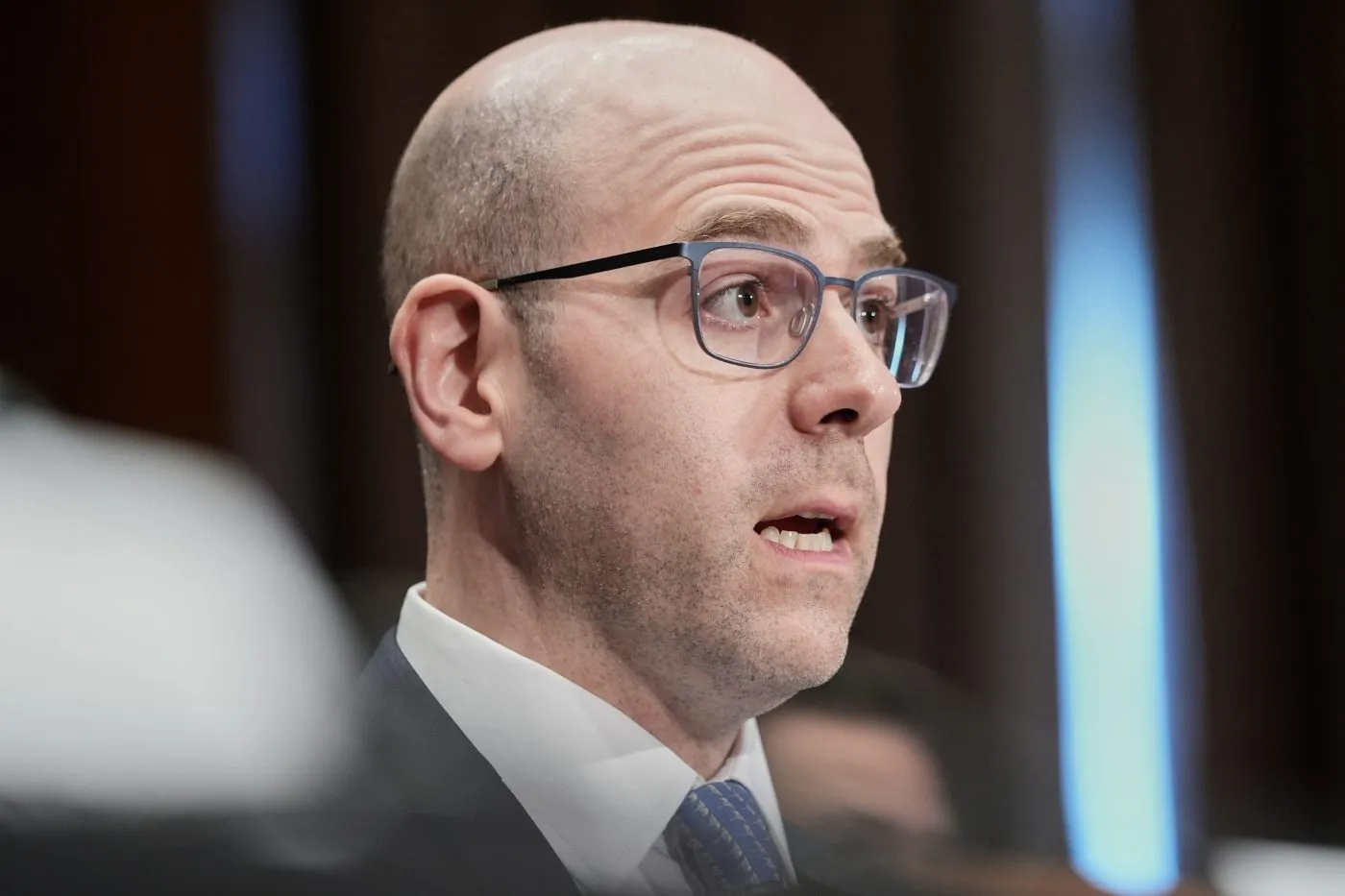
Senators Challenge Trump's Influence Over the Federal Reserve
The question of Federal Reserve independence took center stage Thursday at the confirmation hearing of Stephen Miran, chair of the White House Council of Economic Advisers, whom President Trump nominated for a seat on the Fed board of governors. Both Democrats and Republicans on the Senate Banking Committee wanted to know if Miran would be able to make decisions independent of the preferences of a sitting president — an urgent question following Trump's unprecedented pressure campaign.
Trump's Pressure on the Fed
Trump has been telling the central bank to cut interest rates since he took office. He’s berated Chair Jerome Powell, ordered the firing of Fed board member Lisa Cook, and said he’s actively seeking a majority on the interest rate-setting committee that will do what he wants.
- Political Pressures: Concerns are rising around inflation and the potential demotion of the monetary authority to a political tool.
- Democratic Concerns: Democrats view Miran as a Trump 'cheerleader' and questioned his independence.
- Republican Queries: Republicans urged Miran to confirm his independence, which he maintained he would adhere to.
Miran's Dual Role and Controversial Standpoints
Miran indicated that if confirmed, he would take an unpaid leave from his advisory role in the White House, raising alarms over his dual position. Several Democratic senators pressed Miran on conflicts of interest, emphasizing the potential breaching of standards he had previously advocated.
Despite the backlash, Miran discussed his views on reforms for the Fed, indicating that they should be executed thoughtfully and contextually.
Implications for Markets and Monetary Policy
As the confirmation process unfolds, economists and investors express concern about the implications of a less independent Federal Reserve under Trump's vision. The potential for increased executive control could lead to significant shifts in monetary policy framework and fiscal relations.
Will the markets tolerate these changes? Time will reveal how the balance of power at the Fed impacts financial stability and economic flow.
This article was prepared using information from open sources in accordance with the principles of Ethical Policy. The editorial team is not responsible for absolute accuracy, as it relies on data from the sources referenced.