Interest Rates Impact: Federal Reserve Cuts Benchmark Rate Amid Economic Uncertainty
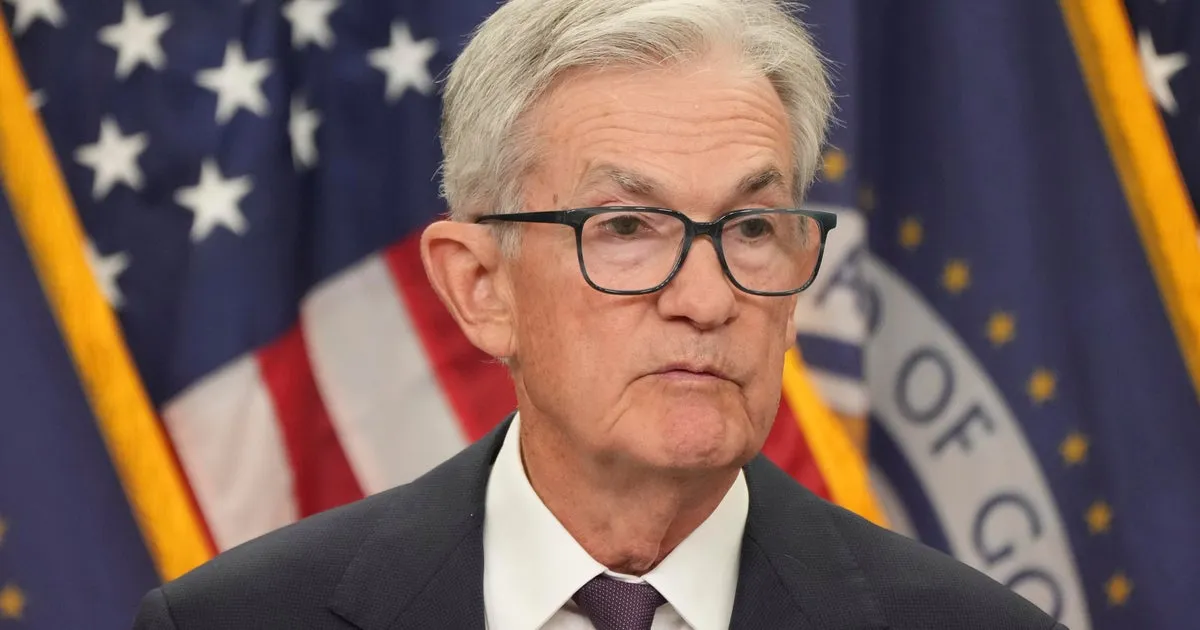
Federal Reserve Makes a Move on Interest Rates
The Federal Reserve on Wednesday lowered its benchmark interest rate by 0.25 percentage points — its first cut since December — as the U.S. contemplates a stalling labor market and slower economic growth.
With this reduction, the federal funds rate now sits between 4% and 4.25%, down from its previous range of 4.25% to 4.5%. The last easing of borrowing costs occurred in December 2024, when rates were reduced similarly.
Moreover, Federal Reserve officials are anticipating two additional rate cuts in 2025, with a single cut expected in 2026, based on the central bank’s economic projections. This outlook may fall short of Wall Street's expectations, where investors hoped for a total of five cuts throughout the remainder of the year and into 2026.
The Fed's median projections indicate the nation’s unemployment rate, currently at 4.3%, is set to rise to 4.5% by year-end, only to decrease slightly to 4.4% in 2026. Personal Consumption Expenditures (PCE), which the Fed identifies as its preferred inflation measure, is forecasted to stabilize at 3% this year, exceeding the central bank’s 2% target, before declining to 2.6% next year and 2.1% in 2027.
This decision comes as the Fed faces dual economic challenges: combating inflation, which has surged recently, while also fostering job growth, which has weakened. Typically, the Fed curbs inflation by raising interest rates to decelerate economic expansion while opting for rate cuts to stimulate consumer spending and bolster business investment during economic downturns.
This article was prepared using information from open sources in accordance with the principles of Ethical Policy. The editorial team is not responsible for absolute accuracy, as it relies on data from the sources referenced.