Japan's Major Currency Intervention and Its Impact on Interest Rates
Wednesday, 31 July 2024, 12:29
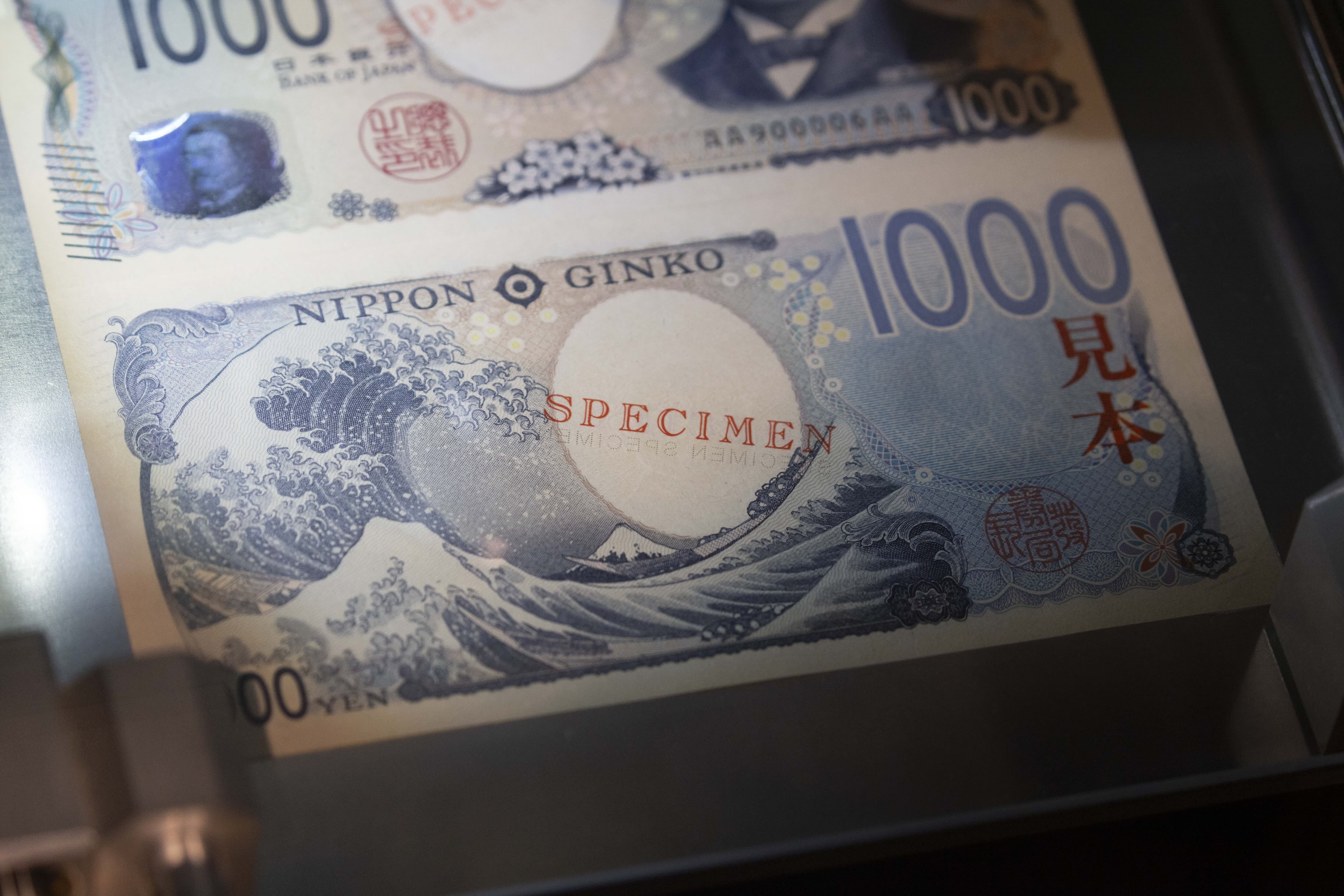
Overview of Japan's Currency Intervention
Japanese authorities undertook a substantial currency intervention, spending 5.53 trillion yen (approximately $36.8 billion) in July. This move aims to shore up the weak yen, which has raised concerns in the financial markets.
Reasons Behind the Intervention
Several factors contributed to this decision:
- Economic pressures leading to a devalued currency.
- Increased volatility in global markets.
- Anticipation of rise in interest rates by the Bank of Japan (BOJ).
Potential Implications
- The intervention could influence the BOJ's monetary policy.
- Market participants should prepare for possible shifts in global financial dynamics.
This proactive measure by the Japanese government underscores its commitment to managing currency risks and adapting to changing market conditions.
This article was prepared using information from open sources in accordance with the principles of Ethical Policy. The editorial team is not responsible for absolute accuracy, as it relies on data from the sources referenced.