Trump Signs Order to Approve TikTok Deal and Avoid US Ban
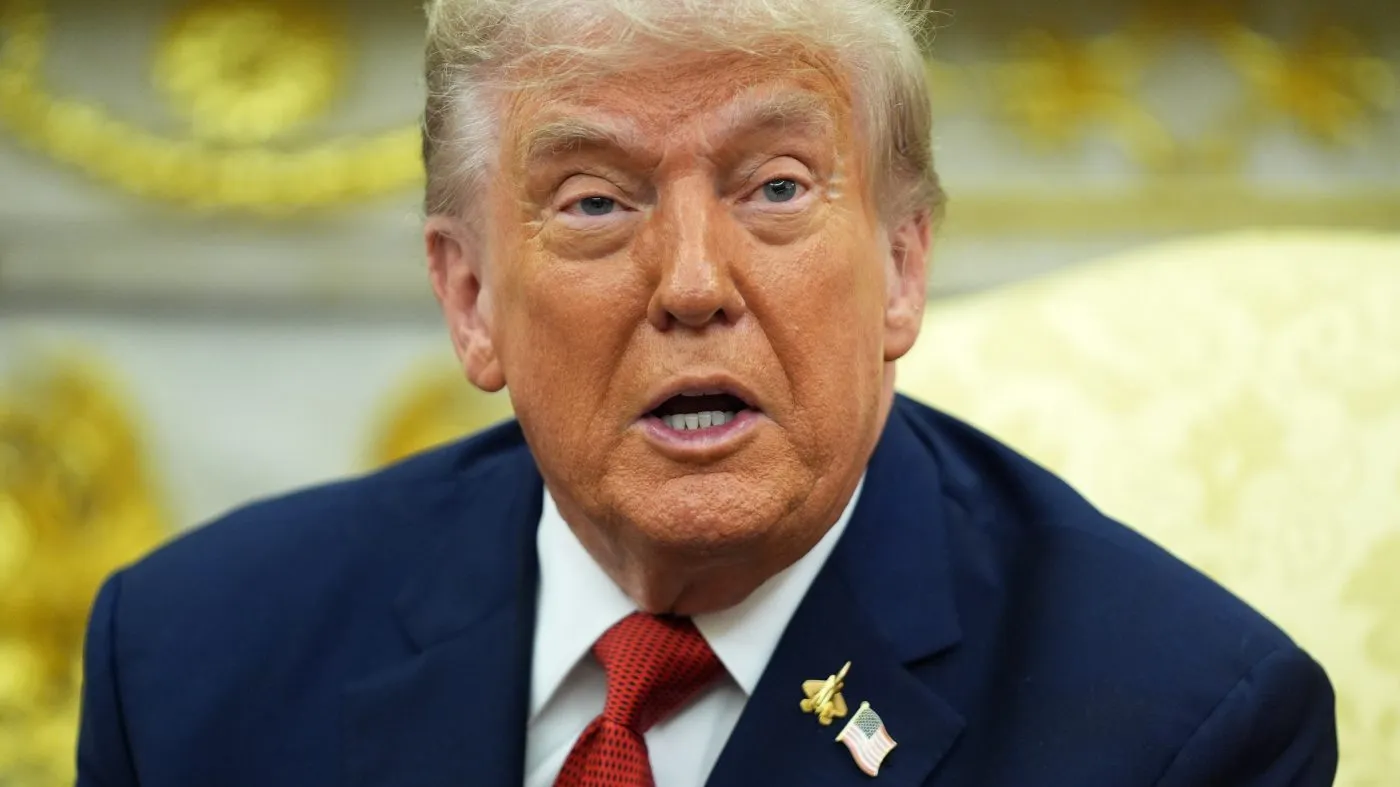
TikTok Deal Approved Amidst US Ban Concerns
President Trump signed an executive order Thursday that approves a deal to keep TikTok available in the U.S. after months of uncertainty about the popular Chinese-owned social media platform.
TikTok is poised to be spun off into a separate U.S. entity to comply with a 2024 law requiring the app's China-based parent company ByteDance to divest or face a U.S. ban.
The deal comes nine months after the law was originally set to go into effect. Trump has delayed enforcement of the measure in hopes of striking an agreement.
Framework for a Deal Disclosed
- Administration officials revealed the U.S. had a “framework” for a deal following trade talks with China.
- Trump stated that Chinese President Xi Jinping had approved the deal, but there are uncertainties regarding Beijing's acceptance of the terms.
“I had a very good talk with President Xi,” Trump mentioned in the Oval Office, emphasizing mutual respect.
Details of the New Entity
Under the deal, a group of U.S. investors, including Oracle and Silver Lake, are set to take a majority stake in the new TikTok entity. ByteDance's equity will be less than 20 percent to comply with the divest-or-ban law.
Oracle will provide security for the new TikTok and manage a copy of the recommendation algorithm for U.S. user data.
Legislative Concerns
It remains unclear how lawmakers will respond to the deal specifics. Some have expressed concerns over compliance with the new operational requirements.
Legislative Background
The divest-or-ban law passed with bipartisan support in April 2024, driven by national security and data privacy concerns regarding TikTok’s ties to China.
“We wanted to keep TikTok operating while protecting Americans' data privacy,” Vice President Vance stated.
However, Trump, who initially called for a ban, has changed his stance, citing TikTok’s popularity among younger voters and its role in his campaign’s outreach.
Developing
This article was prepared using information from open sources in accordance with the principles of Ethical Policy. The editorial team is not responsible for absolute accuracy, as it relies on data from the sources referenced.