AI Chatbot Regulation: New Guardrails for Child Interaction
AI Chatbot Regulation in California
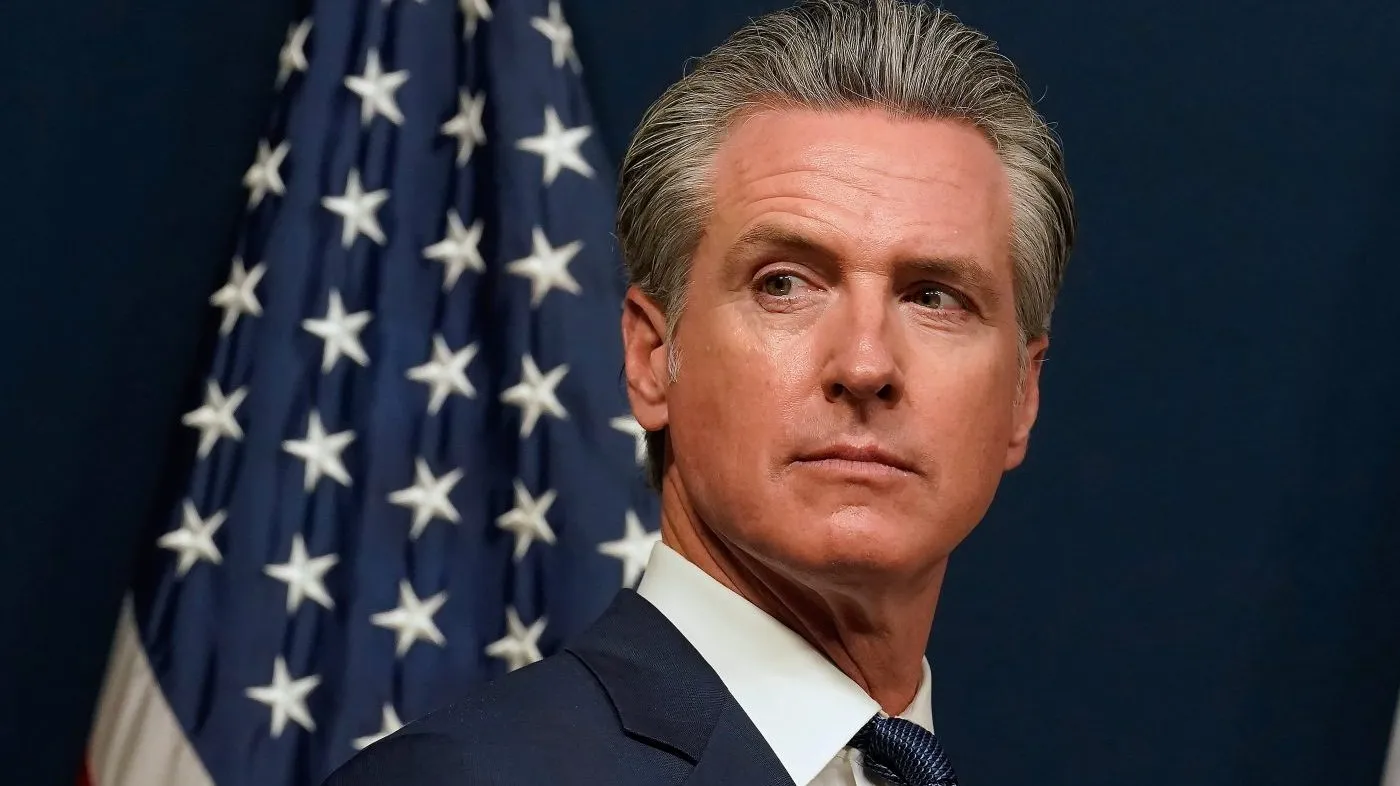
California Governor Gavin Newsom (D) recently signed a bill, S.B. 243, that establishes significant guidelines for how artificial intelligence (AI) chatbots engage with minors. These regulations were introduced in light of rising concerns regarding the safety of children online.
Key Provisions of S.B. 243
- The bill requires developers of companion chatbots to create protocols that prevent the promotion of suicidal content.
- Chatbots are mandated to direct users to crisis services if necessary.
- Clear notifications must be issued by chatbots to clarify they are not human, especially when interacting with children.
- Reminders must be issued every three hours during engagements with minors, reinforcing chatbot limitations.
- Systems must be developed to prevent chatbots from producing sexually explicit content in conversations with children.
Government Response to Growing Concerns
Governor Newsom emphasized the necessity of these measures, stating that technology has the potential to inspire and connect but can also endanger children without appropriate limits. This legislative action echoes similar sentiments, as concerns over harm from unregulated tech continue to rise.
Impact on AI Engagement Practices
This significant legislative move is a response to public outcry, including recent lawsuits against AI companies like OpenAI. Families have raised alarms about the risks of chatbots influencing harmful behaviors, prompting a broader inquiry by the Federal Trade Commission (FTC).
Future Developments in AI Regulation
Senators have also introduced new legislation that would classify AI chatbots as products to increase accountability and allow affected users to seek claims. This recent bill is part of a more extensive set of regulations aimed at ensuring ethical practices in AI development.
This article was prepared using information from open sources in accordance with the principles of Ethical Policy. The editorial team is not responsible for absolute accuracy, as it relies on data from the sources referenced.