Climate Change Impact on Fall Foliage: Drought's Role
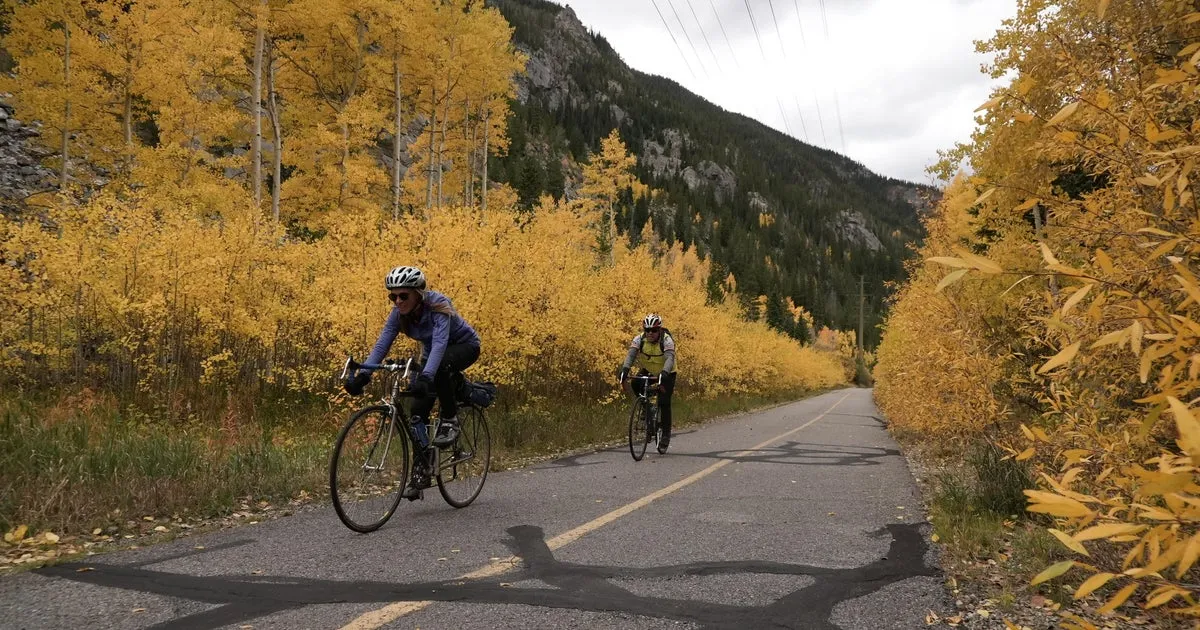
Climate Change and Fall Foliage: The Drought Connection
Portland, Maine — Leaf-peeping season has arrived in the Northeast and beyond, but weeks of drought have dulled this year’s autumn colors, causing leaves to flutter to the ground earlier than usual.
Soaking in the fall foliage is an annual tradition in New England states and areas such as the Rocky Mountains, Great Smoky Mountains, and Upper Peninsula of Michigan. As the days shorten and temperatures drop, chlorophyll in leaves breaks down, leading to the beautiful autumn tones of yellow, orange, and red. However, drought conditions can drastically alter this experience. Lack of water results in leaves browning and falling prematurely, which is evident this year.
The Extent of Drought Across the Country
Over 40% of the country experienced drought conditions in early October, significantly higher than the average. According to Brad Rippey, a meteorologist with the U.S. Department of Agriculture and contributor to the U.S. Drought Monitor, the Northeast and western U.S. are particularly hard hit by these dry spells.
The Bottom Line
As climate change continues to exacerbate drought conditions, the consequences for fall foliage are significant. This results in fewer leaves to enjoy during this cherished season.
This article was prepared using information from open sources in accordance with the principles of Ethical Policy. The editorial team is not responsible for absolute accuracy, as it relies on data from the sources referenced.