Republican Lawmakers Express Concerns Over Argentine Beef Imports Impacting U.S. Cattle Producers
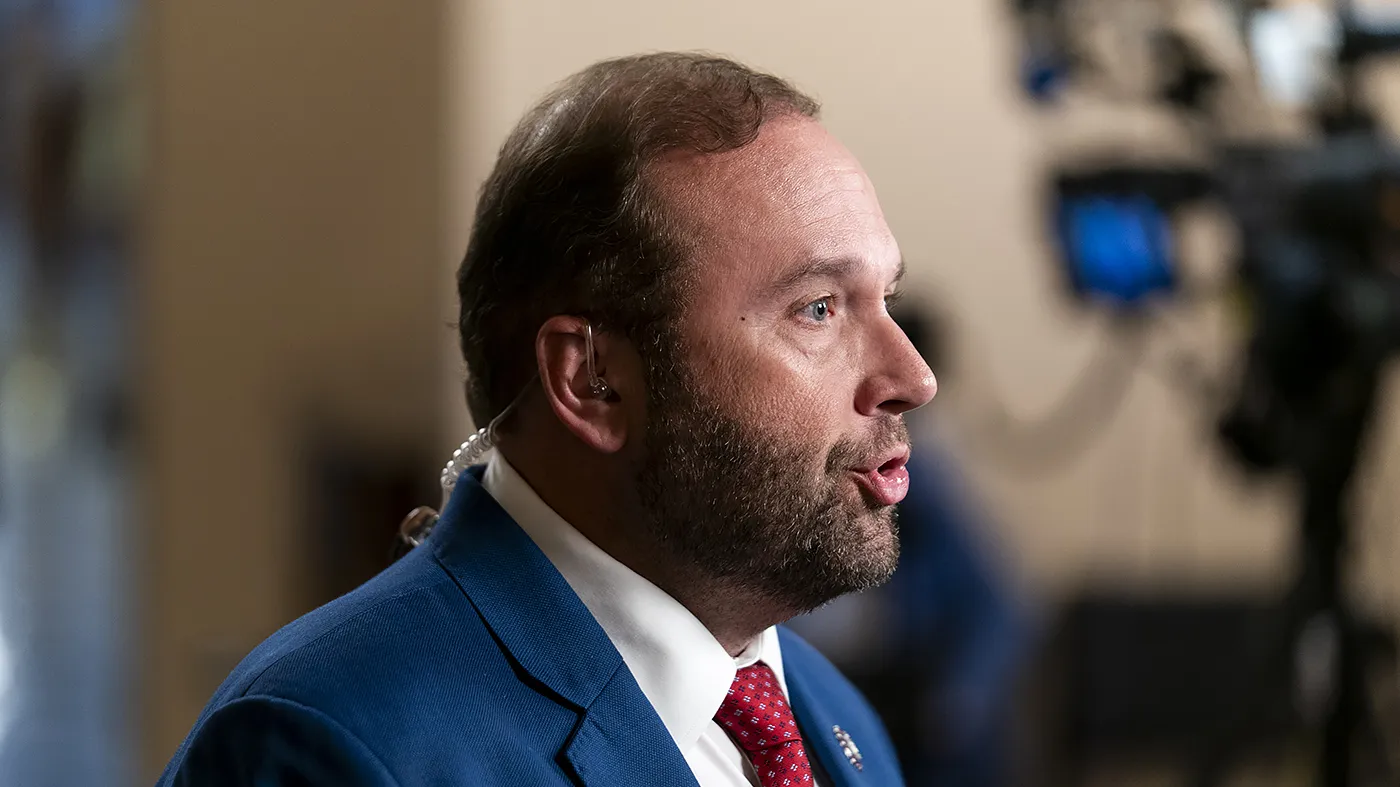
Republican Lawmakers Raise Alarm Over Argentine Beef Imports
Over a dozen Republican House members have expressed deep concerns regarding increased beef imports from Argentina that they believe undermine American cattle producers. In a letter addressed to Agriculture Secretary Brooke Rollins and Trade Representative Jamieson Greer, these lawmakers emphasized the need for ensuring that any changes to Argentina's tariff-rate quota or inspection processes must be based on verified equivalency and reciprocal market access for U.S. beef.
Current Challenges for U.S. Beef Producers
According to recent confirmations, the administration plans to quadruple tariff rate quotas for Argentine beef. This announcement follows President Trump’s support, citing rising prices in the beef market. The average price for ground beef reached approximately $6.32 per pound last month, marking a significant price increase compared to earlier this year.
- USDA's efforts to strengthen the domestic beef industry include various initiatives such as boosting access to grazing lands and disaster support.
- However, the proposed increase in imports has garnered substantial backlash, particularly from the National Cattlemen's Beef Association and lawmakers impacted by the U.S. cattle inventory.
Signatories of the letter span across notable cattle-producing states such as Nebraska, Oklahoma, and Texas. They collectively warn that the proposed rise in beef imports jeopardizes U.S. producers' viability and could introduce health risks associated with animal diseases prevalent in Argentina.
Trade Imbalance and Health Risks
Notably, there exists a significant trade imbalance, with Argentina exporting $801 million worth of beef to the U.S. over the past five years, while American beef imports to Argentina have been minuscule at just $7 million. While acknowledging the importance of diversified global supply networks, the letter stresses that trade agreements must adhere to scientific health standards and fair treatment.
This article was prepared using information from open sources in accordance with the principles of Ethical Policy. The editorial team is not responsible for absolute accuracy, as it relies on data from the sources referenced.