DOGE's Potential Impact on Infrastructure Reform
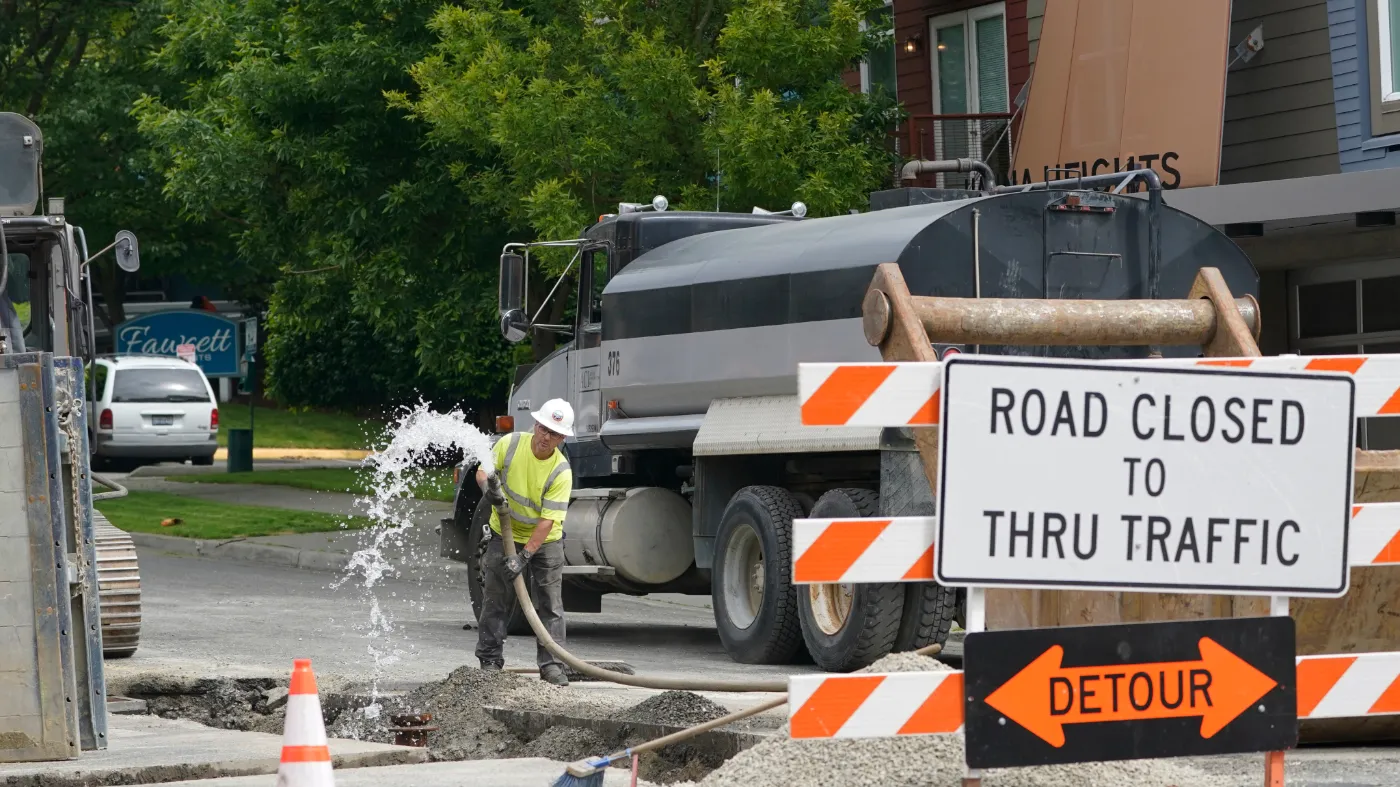
The Infrastructure Quandary
The debate surrounding DOGE and its potential to impact infrastructure calls for urgent reassessment. Despite proponents advocating for reduced government workforce, the pressing need is to enhance teams engaged in infrastructure projects. The facts are stark: building urban transit costs significantly more in the U.S. compared to peer nations. Addressing these inefficiencies requires a radical shift in government strategy.
The Cost Dilemma
- U.S. highway construction costs have seen a threefold increase since the 1960s.
- Legal and procedural hurdles often delay necessary projects.
- Understaffing in government agencies hampers effective management of infrastructure spending.
Government Efficiency and Hiring
This current administration’s investment in infrastructure exceeds $1.6 trillion from various bipartisan acts. However, cutting down the workforce contradicts the need for efficiency. Hiring more specialists leads to lower construction costs, as evidenced by recent studies showing that increasing government staff can reduce highway construction costs by 26% per additional employee per 1,000 population.
Ultimately, while DOGE represents a potential strategy for fiscal innovation, the key lies in government expansion, not reduction. To achieve true efficiency, we must prioritize skilled labor and eliminate barriers preventing effective infrastructure development.
This article was prepared using information from open sources in accordance with the principles of Ethical Policy. The editorial team is not responsible for absolute accuracy, as it relies on data from the sources referenced.