Hybrid Vehicle Regulations Under the Trump Administration: A Shift to Lower Fuel Standards
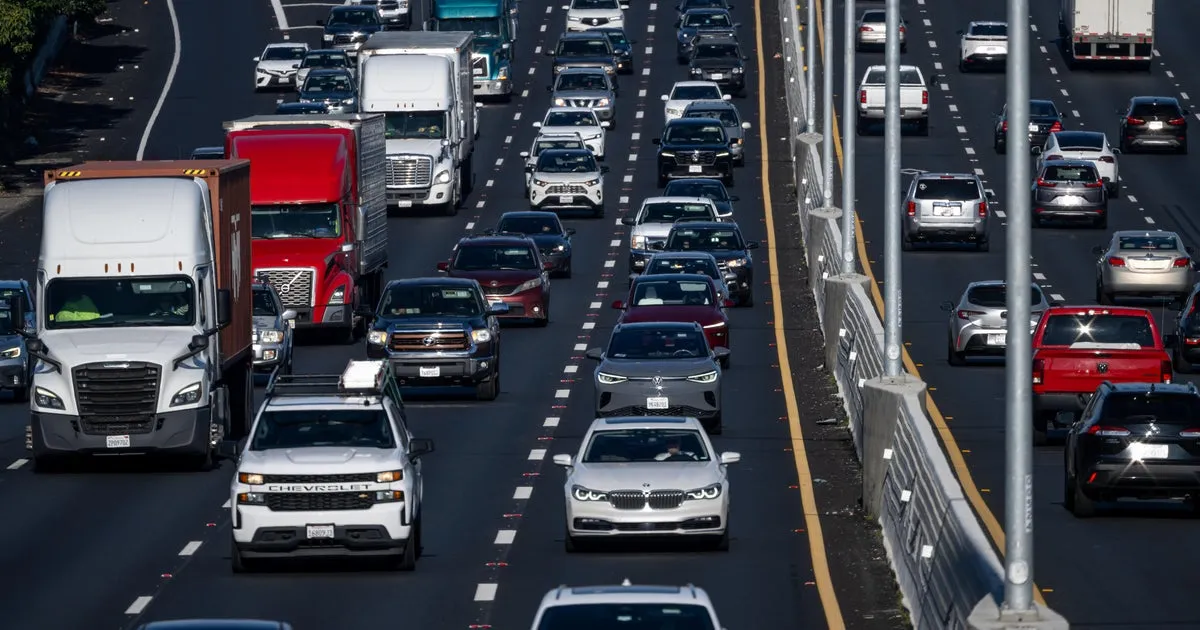
Hybrid Vehicle Standards in Transition
The Trump administration is proposing significant changes to fuel economy standards for hybrid vehicles, which could directly affect electric vehicles and associated fuel costs. Under the latest proposal, automakers would be obliged to adhere to less stringent mileage requirements, marking a stark reversal of policies set by the Biden administration.
Background on Fuel Economy Regulations
Federal fuel economy rules, managed under the CAFE (Corporate Average Fuel Economy) Standards, have been in place since 1975, dictating how many miles vehicles must travel on a gallon of fuel. The goals have traditionally included reducing greenhouse gas emissions and providing consumers with cost savings on fuel.
Criticism and Support
While supporters argue that relaxing these standards will alleviate costs for automakers, critics contend that it could lead to increased fuel consumption and higher costs for drivers in the long run. The suggested changes would set an industry average for light-duty vehicles at approximately 34.5 miles per gallon through the 2031 model year, a significant drop from the prior goal of 50 miles per gallon.
- Impact on hybrid vehicle market
- Effects on electric vehicle adoption
- Potential increase in fuel costs
As these changes unfold, monitoring the implications for consumers and the environment will be crucial. For further insights and updates, continue following our coverage.
This article was prepared using information from open sources in accordance with the principles of Ethical Policy. The editorial team is not responsible for absolute accuracy, as it relies on data from the sources referenced.