Bankruptcy Strikes iRobot as Roomba Maker Engages in Chapter 11 and Sale
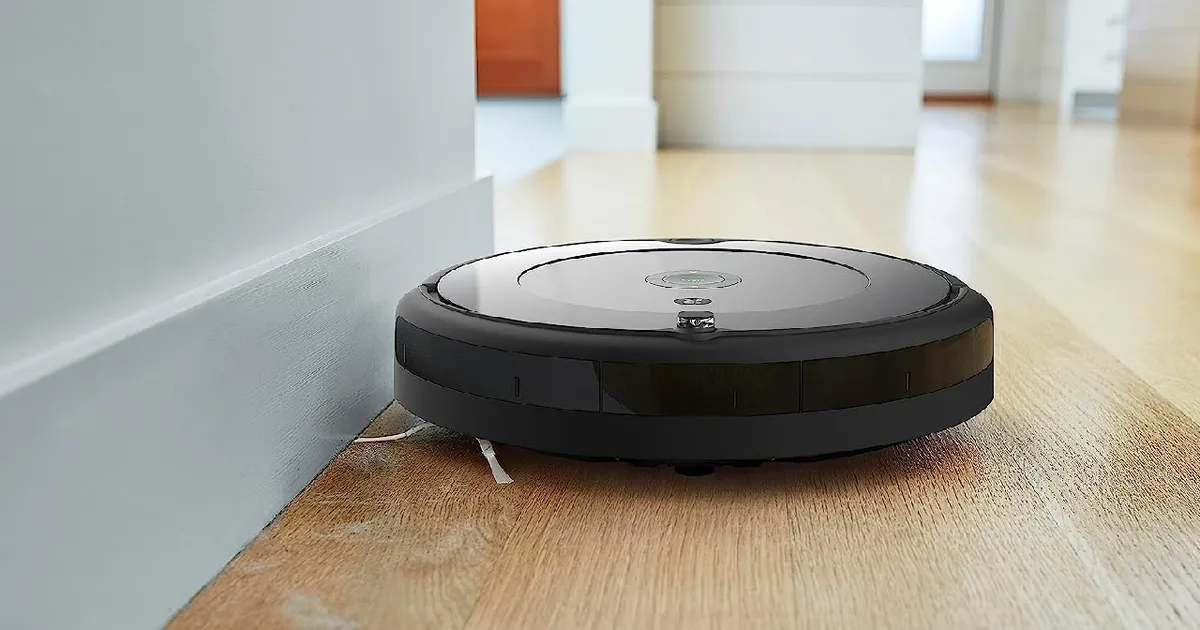
Bankruptcy Challenges for iRobot
iRobot, known for its Roomba robotic vacuums, filed for Chapter 11 bankruptcy protection recently, reaching a pivotal juncture in its corporate history. The company announced that it will be acquired by Shenzhen PICEA Robotics Co., a significant player in the manufacturing realm for robotic technologies. This decision comes as iRobot experiences a drop in sales and revenue, exacerbated by shifting consumer behaviors and economic pressures.
Details of the Acquisition
The acquisition will allow iRobot to retain its operations, with assurances that critical services such as app functionality and customer support will remain intact. Founded in 1990 with roots in robotics innovation and space exploration, iRobot revolutionized the household cleaning market with the debut of the Roomba in 2002. Despite previously promising trends, challenges have escalated, prompting bankruptcy and re-evaluation of their business model.
- Shares of iRobot saw a steep decline of 72%, dropping to $1.20.
- An anticipated acquisition by Amazon valued at $1.7 billion fell through after regulatory scrutiny.
- Recent warnings indicated potential operational shut-downs due to declining sales.
Future Implications
This pivotal event marks a critical phase for iRobot and poses questions about its future trajectory within the increasingly competitive robotics sector. Investors and market watchers will keenly observe how this acquisition unfolds and impacts the landscape of consumer robotics.
This article was prepared using information from open sources in accordance with the principles of Ethical Policy. The editorial team is not responsible for absolute accuracy, as it relies on data from the sources referenced.