Automobiles: Car Sales and Consumer Trends in an Inflationary Economy
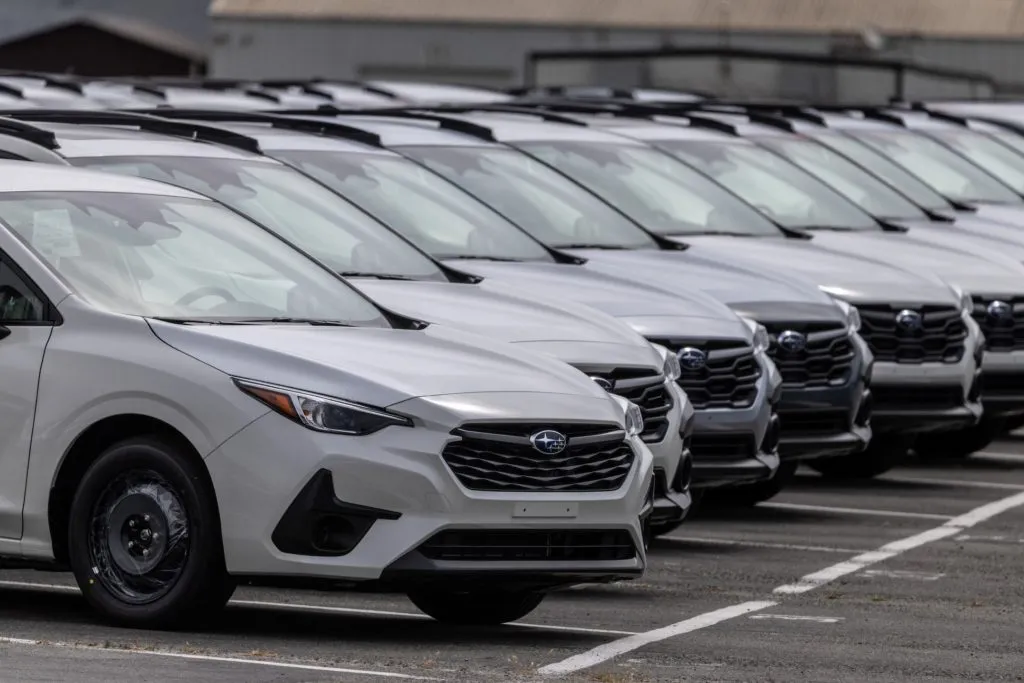
Automobiles and Car Sales: A Shifting Landscape
Automobiles are facing a dramatic shift as car sales fluctuate due to inflation and declining supply chain efficiency. The rising prices of vehicles are directly impacting consumers and their purchasing decisions. In 2017, there were 36 vehicle models available for less than $25,000; now, that number has dwindled to just five. What led to this scarcity?
Factors Influencing Car Sales
- Inflation: A continual increase in general price levels has made automobiles less affordable.
- Supply Chain Disruptions: Ongoing issues in logistics and manufacturing have reduced the availability of new vehicles.
- Changing Consumer Preferences: More Americans are opting for higher-end vehicles, with sales of cars priced over $75,000 now surpassing those under $30,000.
- Tariffs on Imports: Increased tariffs can raise the cost of car production and affect overall market pricing.
As consumers adapt to these shifts, the landscape of car sales will continue to evolve. It is important to analyze how these components interact with the broader economy and consumer behavior.
This article was prepared using information from open sources in accordance with the principles of Ethical Policy. The editorial team is not responsible for absolute accuracy, as it relies on data from the sources referenced.