Global Tax Code Threatens US Sovereignty and Business Operations
Global Tax Code: A Threat to US Sovereignty
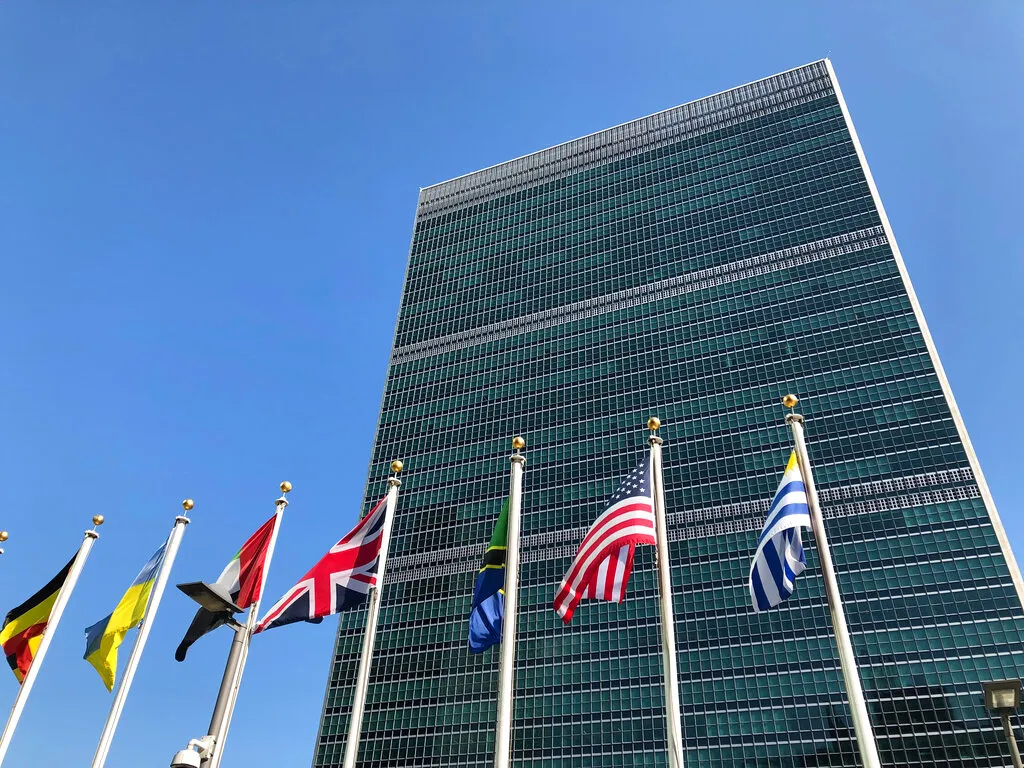
The Biden administration is encouraging foreign governments to impose additional taxes on U.S. corporations which undoubtedly leads to increased consumer prices. This global tax initiative is not just theoretical; it’s already underway with the United Nations considering a vote that may impact American businesses adversely.
Implications for US Corporations
- Foreign tax increases on U.S. corporations could hurt American workers and consumers.
- UN’s approach allows majority voting on tax agreements, threatening U.S. business interests.
- Past measures through the OECD aimed at preventing corporate tax avoidance have evolved into a framework that discriminates against U.S. firms.
The Shift from OECD to UN
Initially, the OECD's agenda focused on combating tax avoidance, but its objectives shifted. Countries perceived U.S. companies as lucrative targets for taxation, prompting discussions on new agreements. The Trump administration hesitated to impose unilateral actions but sought to maintain the US tax base.
Exploring Alternatives to Global Tax Code
A balanced approach through bilateral treaties could help safeguard U.S. interests. This strategy allows nations to negotiate terms based on mutual needs, contrasting with the rigid structures of global mandates. The Biden administration’s termination of the U.S.-Hungary Tax Treaty demonstrates a need for renewed focus on expanding bilateral agreements to fortify American sovereignty.
Ultimately, opposition against extraterritorial and discriminatory taxation from foreign nations is essential for protecting U.S. companies and their workers.
This article was prepared using information from open sources in accordance with the principles of Ethical Policy. The editorial team is not responsible for absolute accuracy, as it relies on data from the sources referenced.