Insights into the Campaign Finance Landscape Shaping 2024’s Election
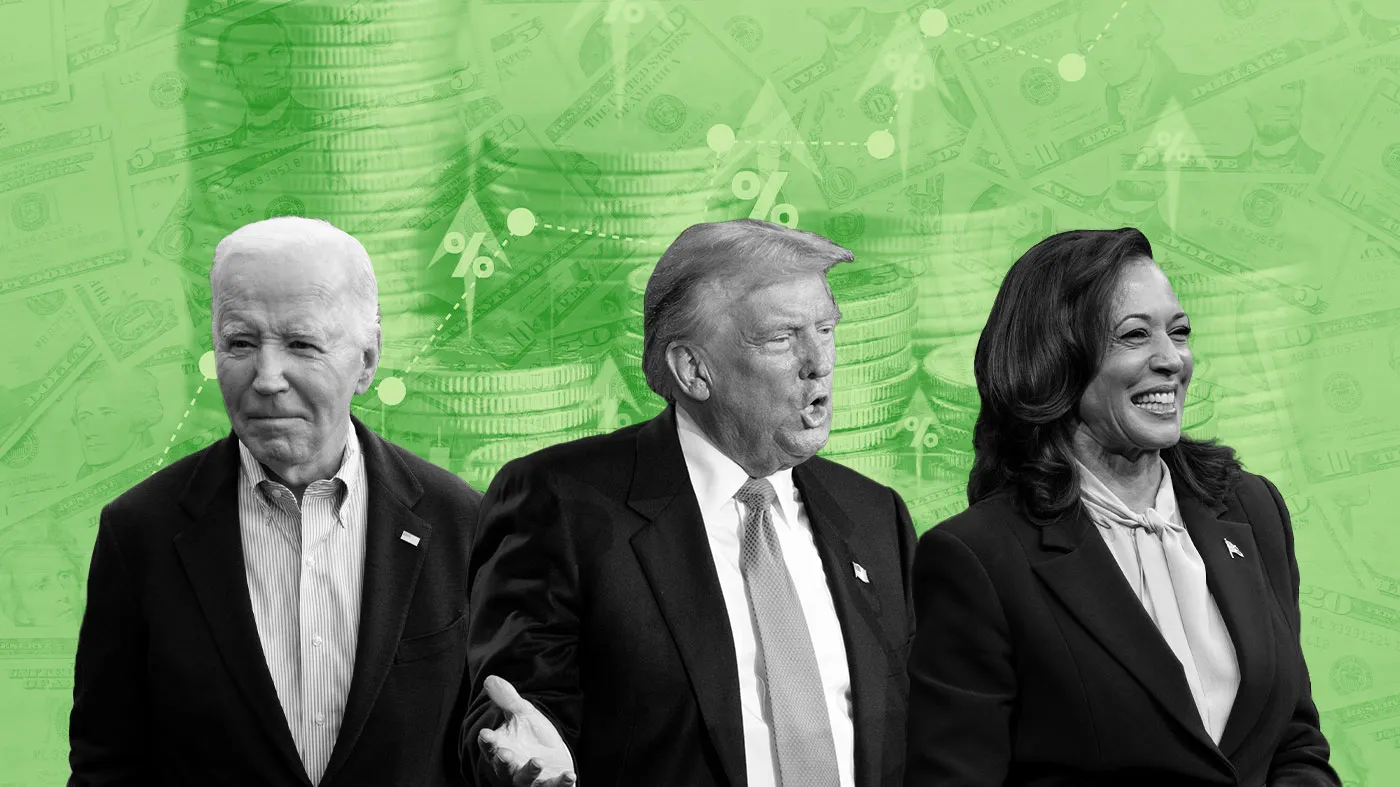
Campaign Finance and the 2024 Presidential Election
The 2024 election cycle is marked by record-breaking campaign finance disclosures shedding light on the influential money flows behind the candidates. Notably, President Biden and Vice President Harris’s campaign raised more funds than any prior ticket, signaling a significant shift in fundraising dynamics. However, unconventional strategies, such as outsourcing operations to super PACs, have come under scrutiny, raising questions about the effectiveness of traditional campaign financing.
Elon Musk's Financial Influence
Elon Musk's contributions play a central role in this funding landscape, with reports detailing over $238 million directed towards pro-Trump efforts. This staggering amount, indicative of an unprecedented level of spending by a single donor, showcases Musk's significant influence in shaping voter turnout in pivotal battleground states.
The Role of Super PACs in Campaign Strategy
- Super PACs can raise and spend unlimited funds, impacting campaign strategies considerably.
- Many billionaires supporting Trump also received key nominations in his administration, underlining a potential quid pro quo.
- Howard Lutnick and others made substantial contributions, demonstrating how closely linked donor support is to political appointments.
Looking at Financial Lessons
Despite raising nearly $1.2 billion, Harris’s campaign faced challenges, leading to discussions about financial management and strategic inefficiencies. The fallout has initiated a broader debate within the Democratic Party about branding and messaging.
Final Thoughts on Campaign Finance Implications
The intersection of money and politics in the 2024 election highlights significant trends in campaign financing. Future elections will likely see similar, if not enhanced, strategies as candidates navigate a landscape dominated by super PACs and wealthy donors.
This article was prepared using information from open sources in accordance with the principles of Ethical Policy. The editorial team is not responsible for absolute accuracy, as it relies on data from the sources referenced.