Electric Vehicles and Winter Weather: Key Insights and Adaptations
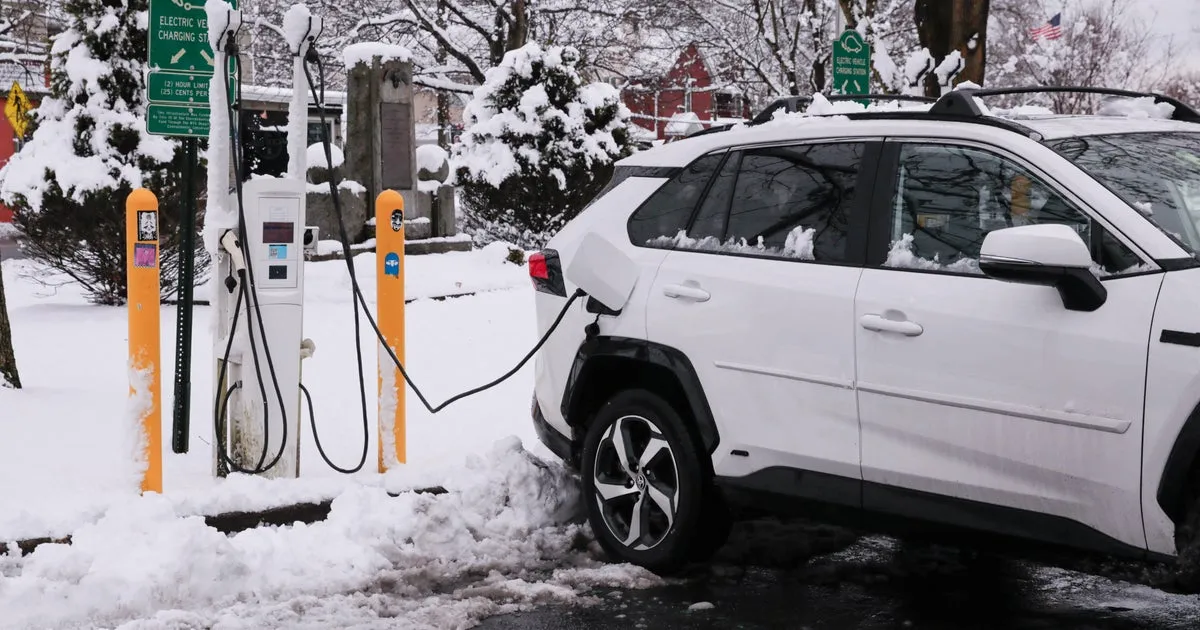
Challenges of Electric Vehicles in Winter Conditions
As winter storms bring bone-chilling temperatures, electric vehicles (EVs) encounter significant challenges. Cold weather can impair battery efficiency, leading to a decrease in driving range. Consumer Reports found that at temperatures around 16 degrees Fahrenheit, EVs lose approximately 25% of their range compared to milder conditions.
Impact of Extreme Cold on EVs
- Battery Performance: The chemical reactions within EV batteries slow down, affecting power.
- Cabin Heating: Unlike traditional vehicles, EVs rely on their batteries to heat interiors, which further decreases range.
This weekend, as temperatures drop to record lows, EV owners must adapt. Areas like Minneapolis have already reported temperatures as low as 21 degrees below zero, making it crucial to prepare.
Adapting to Winter: EV Tips
To navigate the winter challenges, EV owners can implement strategies to maintain efficiency:
- Precondition the Battery: Warm the cabin while plugged in to conserve battery power.
- Parking Considerations: Keep EVs in sheltered spaces to mitigate cold effects.
- Energy Conservation: Use heated seats instead of the full climate control system.
Newer EV models feature improvements like heat pumps, enhancing performance in cold conditions. Brands such as Kia and Volvo are leading in this area, making winter driving more feasible.
Global Perspective on EV Usage in Cold Climates
Countries with harsh winter climates, like Norway, showcase how EVs can thrive in subzero temperatures, accounting for 96% of new car sales last year. Awareness and preparedness are key for EV owners facing similar conditions.
This article was prepared using information from open sources in accordance with the principles of Ethical Policy. The editorial team is not responsible for absolute accuracy, as it relies on data from the sources referenced.