Climate Change and Black Carbon: The Escalating Challenge in the Arctic
Understanding the Impact of Climate Change in the Arctic
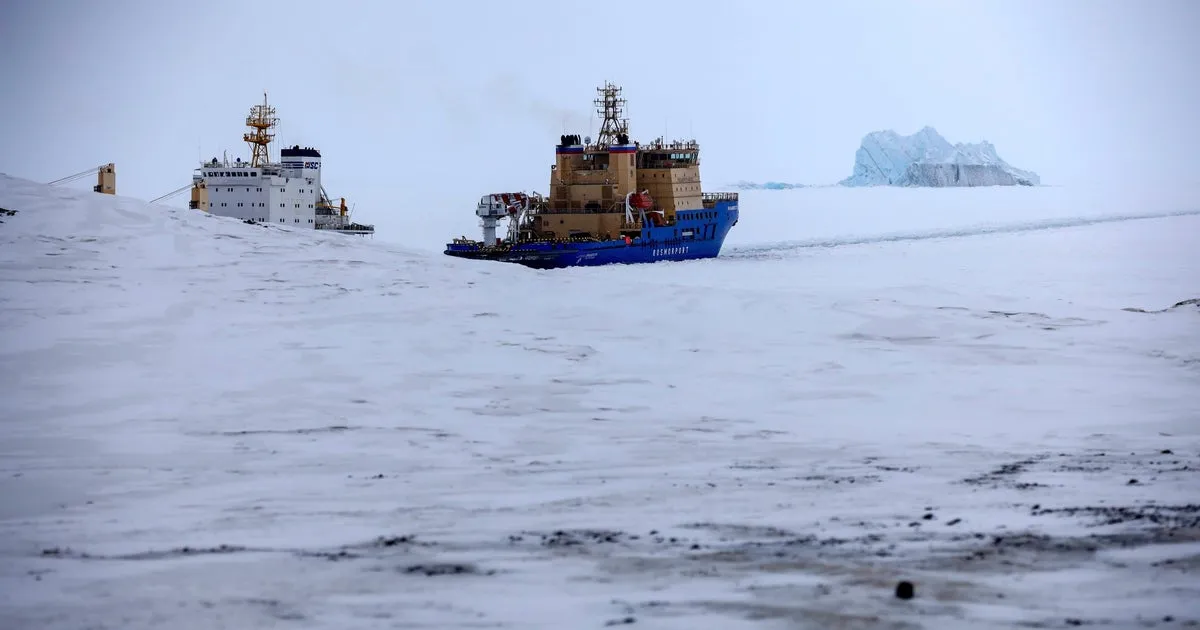
Climate change is wreaking havoc in the Arctic, with black carbon, or soot, emerging as a significant concern. As global temperatures rise, the melting of sea ice facilitates increased shipping traffic through previously frozen routes. This surge in marine activity has heightened environmental risks, particularly due to pollutants emitted by vessels.
Consequences of Black Carbon Emissions
The black carbon produced by ships not only contributes to climate change but exacerbates the melting of Arctic ice. The soot-coated snow and ice lose their ability to reflect sunlight, leading to increased heat absorption. This process accelerates the warming of the Arctic region, prompting cascading effects on weather patterns worldwide.
International Response and Regulatory Measures
- Countries are advocating for cleaner fuels: In recent international meetings, various nations are pushing for the implementation of stricter regulations that require the use of cleaner fuels in Arctic shipping.
- Urgent need for action: With the Arctic being identified as the fastest warming area on the planet, immediate steps are critical to address black carbon pollution.
Continued attention to these issues is vital for safeguarding the fragile Arctic ecosystem and mitigating broader climatic repercussions.
This article was prepared using information from open sources in accordance with the principles of Ethical Policy. The editorial team is not responsible for absolute accuracy, as it relies on data from the sources referenced.