Self-Driving Cars: The Paradox of Fewer Accidents and Insurance Costs
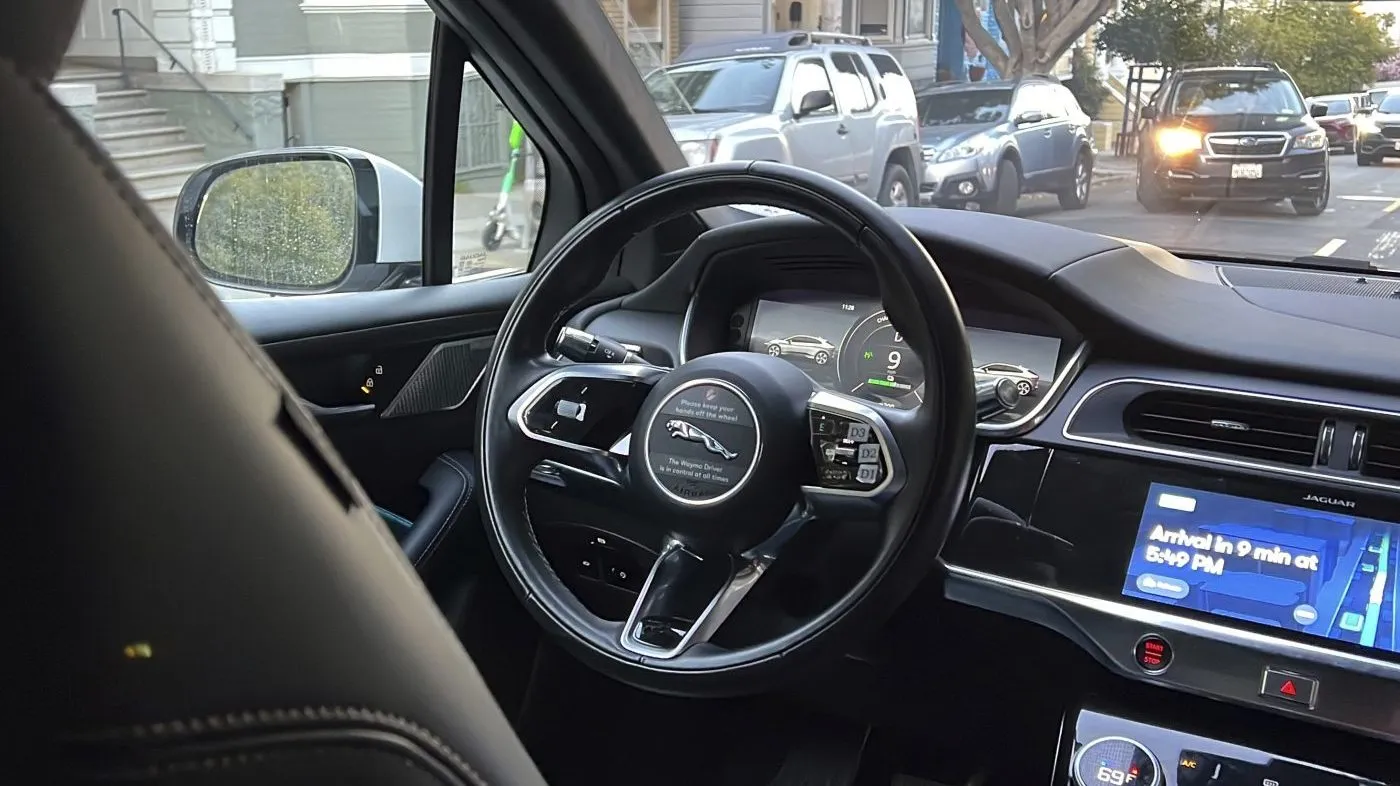
Self-Driving Cars and Insurance Rates
Self-driving cars could revolutionize the auto industry by reducing accidents significantly. However, lower insurance prices aren't a given. According to a recent Goldman Sachs research note, while autonomy may drive down accident rates in the future, the insurance landscape is likely to evolve without a clear decline in premium costs.
Predictions and Challenges
- Analysts foresee a decrease in insurance costs over the next 15 years from $0.50 per mile to $0.23.
- Despite this, insurance premiums may see minimal growth for 10-15 years due to tech-heavy cars increasing repair costs.
- New risks such as cybersecurity threats complicate the insurance equation.
Liability and Regulation Insights
As self-driving cars enter the market, traditional auto insurance may become less relevant, shifting towards product liability. However, questions remain regarding liability in accidents involving automated systems versus human errors. Federal standards may soon clarify these concerns as autonomous vehicle regulations vary by state.
Future Outlook
The journey to widespread adoption of self-driving cars is ongoing. Despite notable advancements, including Tesla’s plans for autonomous rides, expecting drastic changes in insurance costs might be premature. Current challenges suggest that consumers will continue to grapple with rising insurance rates.
This article was prepared using information from open sources in accordance with the principles of Ethical Policy. The editorial team is not responsible for absolute accuracy, as it relies on data from the sources referenced.