Supreme Court Strikes Down Trump's Tariffs: A Major Economic Setback
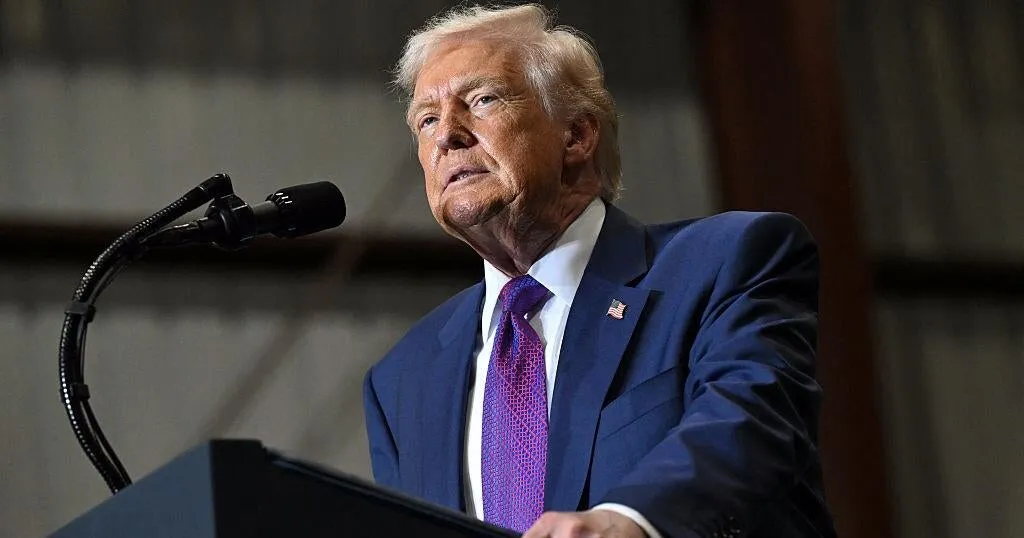
Supreme Court’s Ruling on Tariffs
The Supreme Court recently sided against President Trump regarding the implementation of tariffs, deciding that his unilateral actions are not supported by the law. In a 6-3 ruling, the court concluded that tariffs cannot be enacted under the International Emergency Economic Powers Act (IEEPA). This decision symbolizes a substantial constraint on the president's ability to wield economic power unilaterally.
Impact on Economic Policy
The implications of this ruling are profound. It effectively dismantles a pivotal component of Trump’s economic strategy, which relied heavily on imposing tariffs to protect domestic industries from foreign competition. The inability to unilaterally impose tariffs could lead to shifts in trade negotiations and alliances.
Political Reactions
Following the ruling, responses have poured in from both supporters and opponents of the administration’s tariff policies. Many see this as a vital step in preserving checks on executive authority.
Conclusion
The Supreme Court's decision marks a turning point, reinforcing the idea that in matters of tariffs and trade policy, legislative approval is necessary to safeguard economic stability.
This article was prepared using information from open sources in accordance with the principles of Ethical Policy. The editorial team is not responsible for absolute accuracy, as it relies on data from the sources referenced.