Exploring Sections 122 and 301: Trump's Alternatives in Tariff Implementation
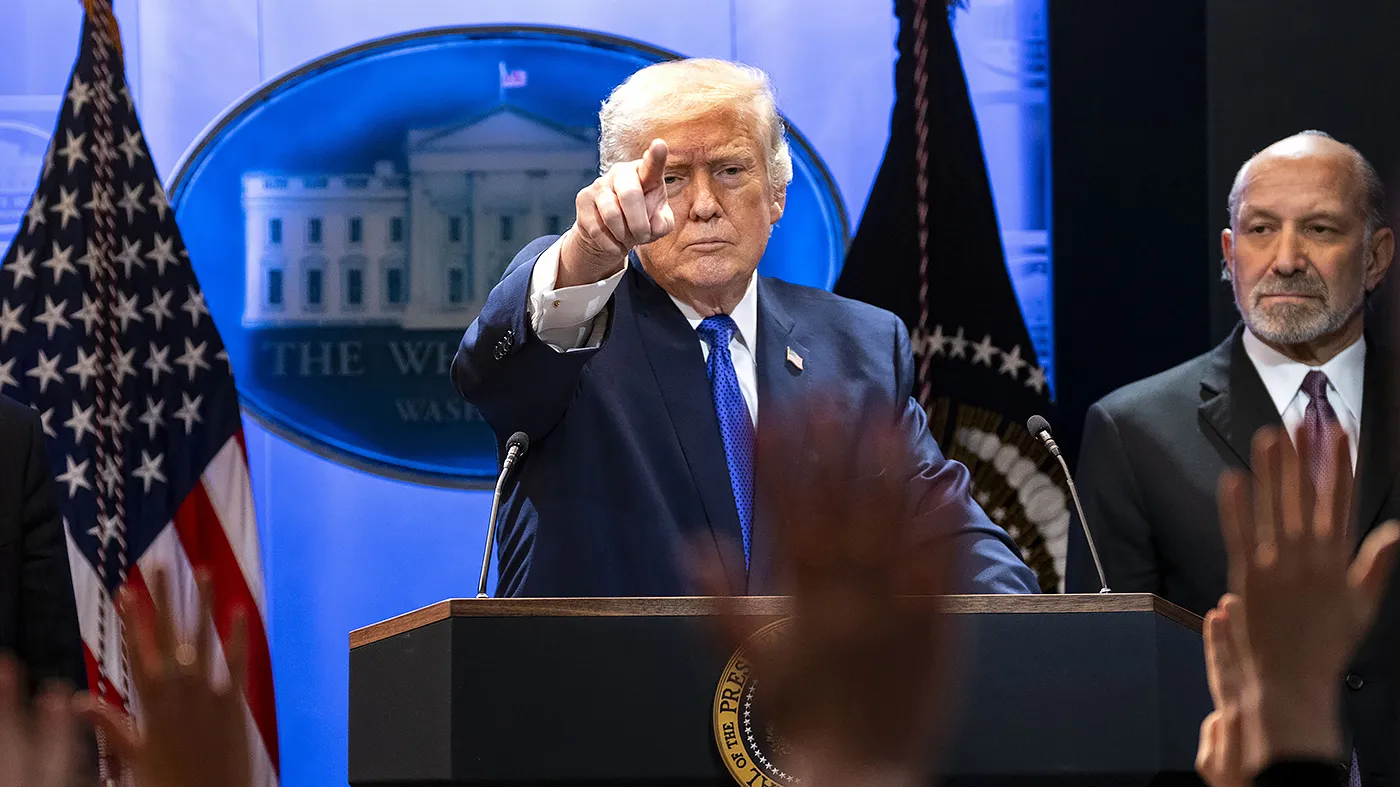
Understanding Trump's Alternative Tariff Tools
The Supreme Court has recently limited Trump's ability to impose tariffs on foreign nations through the International Emergency Economic Powers Act (IEEPA). However, this does not nullify the president's overall strategy. Sections 122 and 301 provide alternative pathways for implementing tariffs and shaping economic strategy.
Section 301 Overview
Section 301 grants the president authority to impose tariffs to counteract unfair trade practices. In the context of ongoing trade tensions, it serves as a crucial asset.
Section 122 Explained
Section 122 allows for tariffs in specific circumstances, particularly concerning national security. This section could be pivotal in ongoing negotiations and responses to international trade developments.
- Focus on enforcement: Both sections enable a response to violations.
- Adaptability: They allow for swift adaptations to changing global circumstances.
Implications of Supreme Court Ruling
The Supreme Court's decision on IEEPA constrains Trump's tariff strategies but highlights the importance of understanding other tools available. The utilization of Sections 122 and 301 will likely shape the future of U.S. trade policy significantly.
This article was prepared using information from open sources in accordance with the principles of Ethical Policy. The editorial team is not responsible for absolute accuracy, as it relies on data from the sources referenced.