Concord: A Disastrous Launch for Sony's Biggest Investment
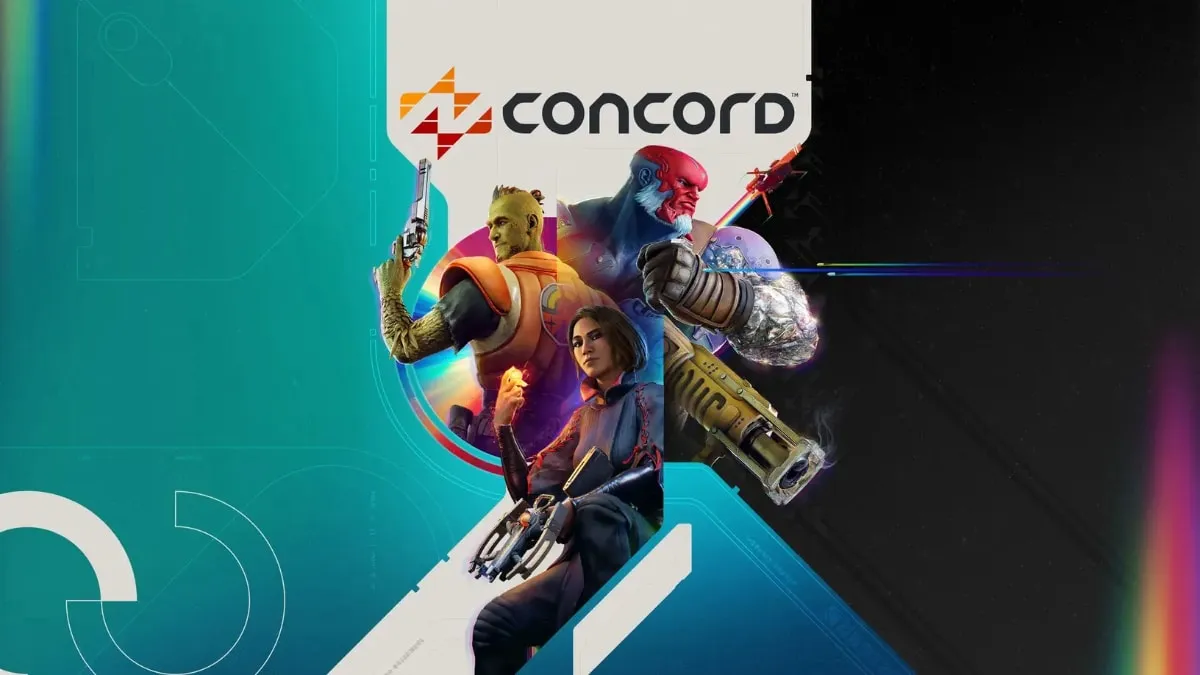
Concord Launch: A Major Financial Setback for Sony
Concord, Sony's first-party multiplayer title, launched on August 23 on PS5 and PC but failed to attract players with its Overwatch-style 5v5 hero shooter premise. After dismal player numbers on Steam and poor sales, the PlayStation parent took Concord offline on September 6 and refunded all players who had purchased the game. After its two-week run, the online shooter, which spent years in development and was supposed to be Sony's big live service bet, ended up a massive commercial failure.
The Development Cost of Concord
Industry insider Colin Moriarty discussed the game's staggering development cost of $400 million on the Sacred Symbols podcast, revealing that this represented Sony’s largest loss ever on a game. Originally seen as “the future of PlayStation,” Concord was expected to rival major franchises.
Sony's Financial Implications
Moriarty indicated that while Sony shouldered the bulk of the investment, parts of the budget were incurred prior to Sony acquiring Firewalk Studios in April 2023. Notably, the game was in a “laughable state” during its alpha stage, necessitating further financial input to reach a viable product.
Concord's Internal Issues
The podcast also explored concerns surrounding development culture at Firewalk, highlighting a “toxic positivity” environment where criticism was overlooked. Sony's push into live service titles has faced considerable backlash, leading to strategic cutbacks in their planned releases.
Final Thoughts on Concord's Downfall
Concord represents a cautionary tale in game development, with substantial investment not translating into player engagement or commercial success. Following its abrupt removal from storefronts, industry reflection on the project prompts broader dialogues about future ventures in the gaming space.
This article was prepared using information from open sources in accordance with the principles of Ethical Policy. The editorial team is not responsible for absolute accuracy, as it relies on data from the sources referenced.