Can Video Game–Style Exercise Slow Alzheimer’s Risk? Exploring the Connection to Brain Health
Wednesday, 10 September 2025, 02:41
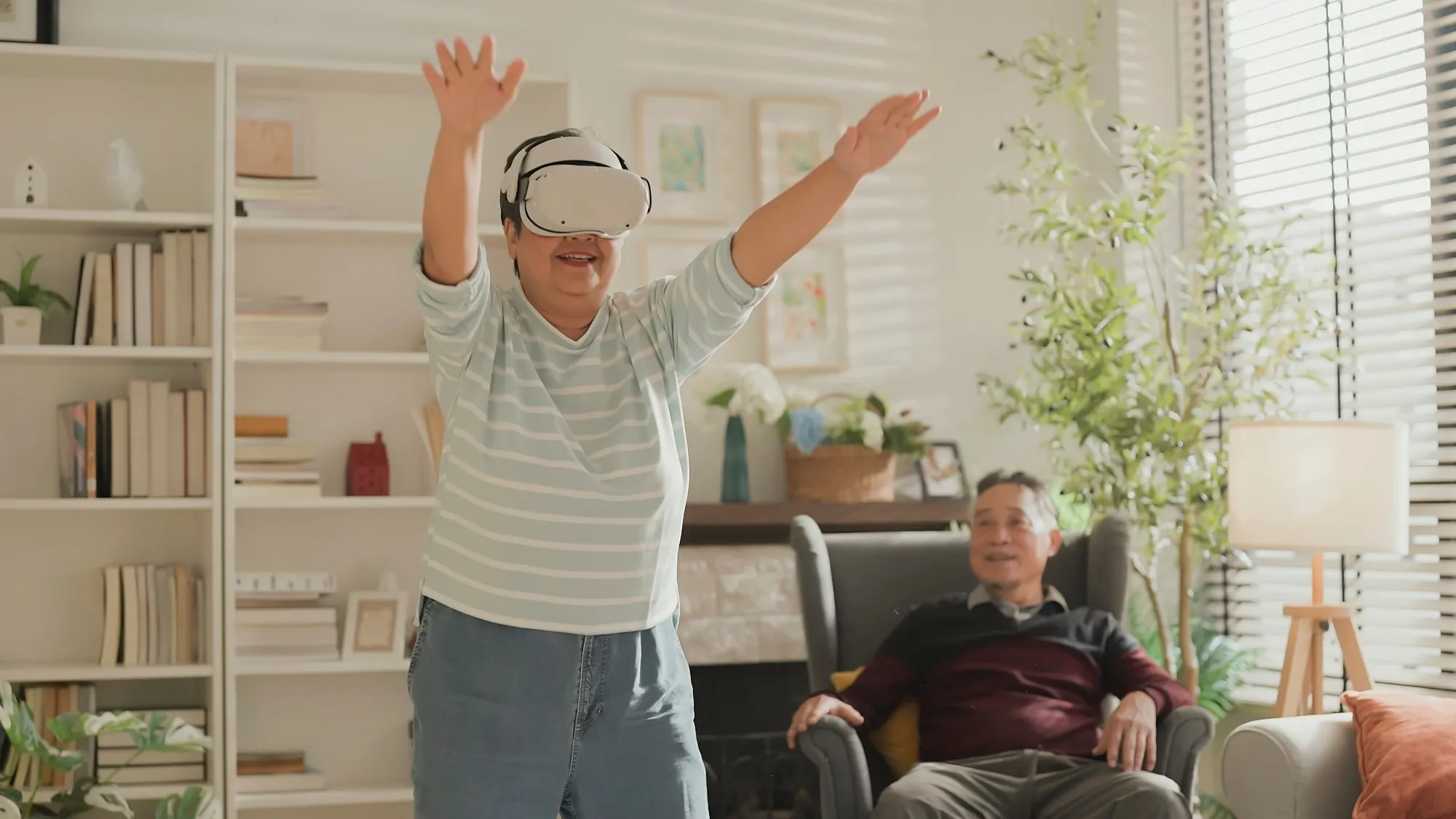
Can Video Game–Style Exercise Slow Alzheimer’s Risk?
Can video game–style exercise slow Alzheimer’s risk? Recent research indicates that engaging in gamified exercise may enhance brain function by improving hippocampal volume and cognitive performance. This promising link could hold the key to dementia prevention, as neurogenesis revitalizes cognitive abilities.
Understanding the Role of the Brain Regions
- Cortex: Plays a crucial part in executive functions and memory.
- Hippocampus: Essential for memory formation and spatial navigation.
- Thalamus: Involved in processing and relaying sensory information.
Exploration of these areas may offer insights for new diagnostic tools in combating age-related cognitive decline.
The Future of Gamified Exercise Programs
- Implementation in clinical settings
- Long-term studies to track cognitive improvements
- Potential integration with existing therapeutic approaches
For further insights and updates on these exciting developments, stay tuned!
This article was prepared using information from open sources in accordance with the principles of Ethical Policy. The editorial team is not responsible for absolute accuracy, as it relies on data from the sources referenced.