Is Eating Cold Rice Good for Your Gut Health? Insights from a Harvard Gastroenterologist
Evaluating Gut Health Trends
Gut health trends are capturing attention, and among them are eating cold rice and intermittent fasting. COLD POTATO AND RICE have gained traction recently, but are they effective for gut health? Dr. Saurabh Sethi, a Harvard-trained gastroenterologist, breaks down these trends, giving insights into what really benefits gut health.
Is Eating Cold Rice Good for Your Gut Health?
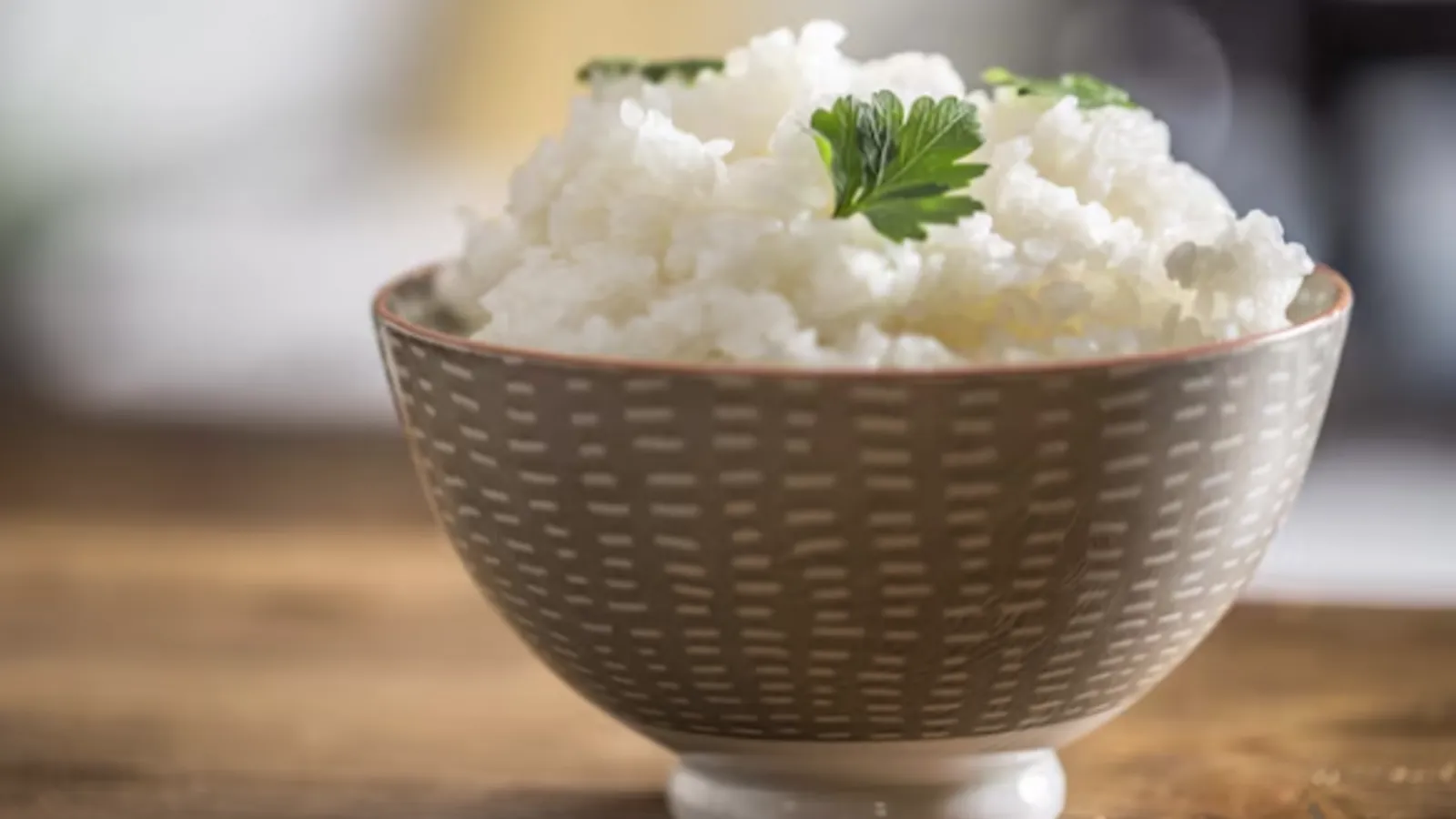
Eating cold rice is often discussed in terms of its prebiotic properties. Research suggests that cooling cooked rice transforms its resistant starches, potentially benefiting gut bacteria. But it's essential to balance this with a diet rich in other nutrients.
Intermittent Fasting: A Trend Worth Following?
Additionally, doing intermittent fasting is gaining popularity for its myriad health benefits. Some studies have shown that intermittent fasting can improve metabolic health and may promote gut health. Yet, individual results may vary based on personal health conditions.
Understanding L-Glutamine Supplements
Another area of discussion is L-Glutamine supplements. These are often touted for their ability to support gut lining integrity, but professional guidance is highly recommended before starting any new supplement.
Conclusion: Making Informed Choices for Gut Health
In conclusion, while trends like cold rice consumption and intermittent fasting have their pros, it’s crucial to incorporate a holistic view of gut health that includes a diverse diet. Stay informed and consult with health professionals before making significant dietary changes.
Disclaimer: The information provided on this site is for informational purposes only and is not intended as medical advice. We are not responsible for any actions taken based on the content of this site. Always consult a qualified healthcare provider for medical advice, diagnosis, and treatment. We source our news from reputable sources and provide links to the original articles. We do not endorse or assume responsibility for the accuracy of the information contained in external sources.
This article was prepared using information from open sources in accordance with the principles of Ethical Policy. The editorial team is not responsible for absolute accuracy, as it relies on data from the sources referenced.