Higher Soft Drink Consumption and Liver Disease: A Closer Look
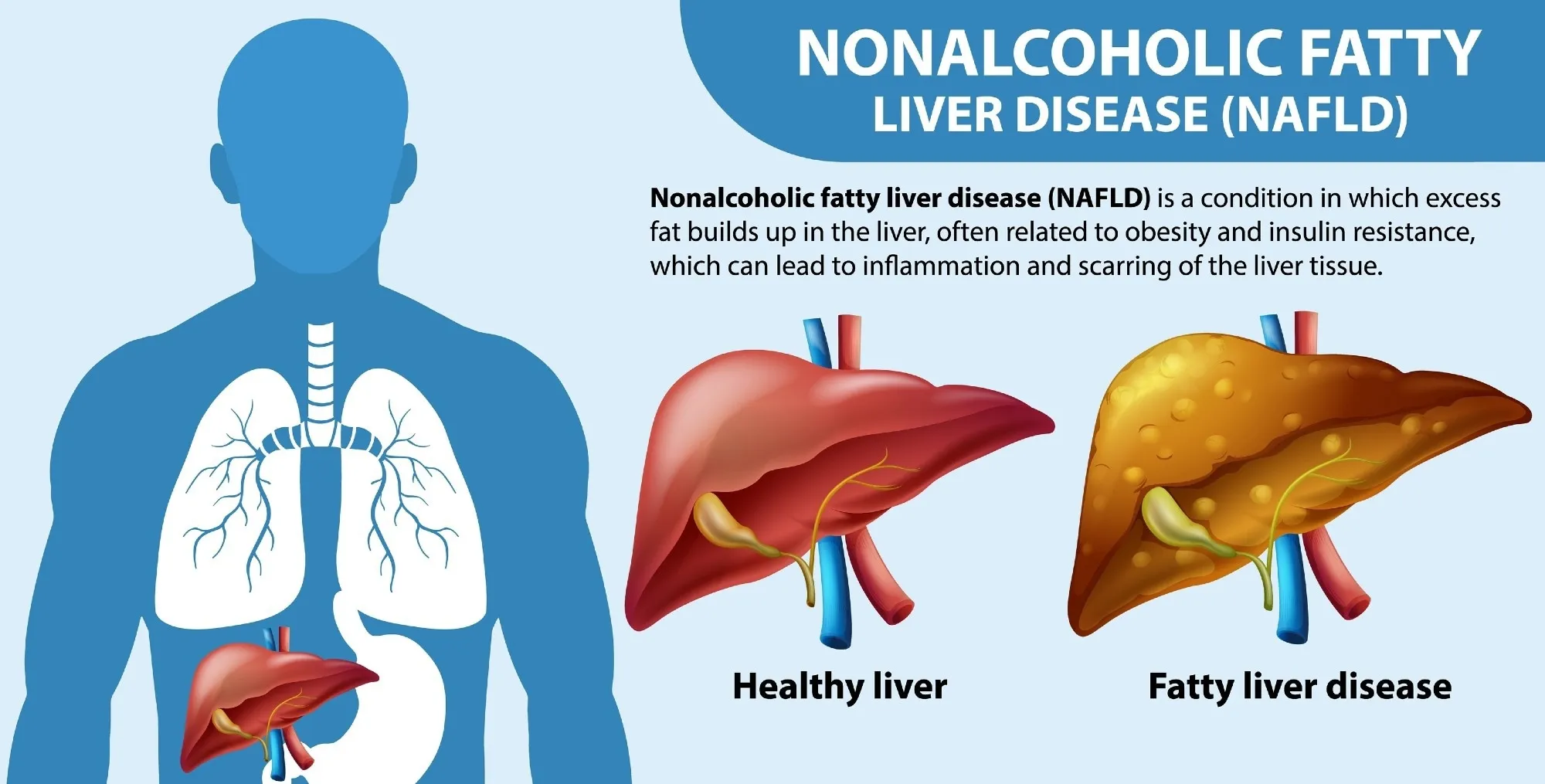
The Growing Concern of Soft Drinks and Liver Health
The correlation between soft drink consumption and liver disease has come under scrutiny, particularly in recent studies that reveal a concerning association with nonalcoholic fatty liver disease. This condition, characterized by the accumulation of fat in liver cells, highlights the impact of lifestyle choices on liver health.
The Research Findings
Recent research involving a cohort of Mexican adults found a strong connection between the intake of sugary beverages and the prevalence of liver disease. Here are the key points:
- Higher sugar intake from soft drinks is linked to increased inflammation and fatty liver.
- The study particularly noted a higher risk in males.
- Significant levels of glucose from these drinks may fuel the onset of metabolic disorders.
The Role of Obesity
Obesity is a major contributing factor to the development of liver disease. Excessive consumption of soft drinks can lead to weight gain and worsen metabolic conditions, causing a cascade of health issues.
Preventive Actions
To reduce the risk of liver disease:
- Limit soft drink intake and opt for healthier alternatives.
- Adopt a balanced diet rich in fruits, vegetables, and whole grains.
- Exercise regularly to maintain metabolism and healthy weight.
Final Thoughts
As studies continue to evolve, the importance of public awareness around liver health cannot be overstated. Staying informed and making healthier choices can significantly impact overall well-being.
Disclaimer: The information provided on this site is for informational purposes only and is not intended as medical advice. We are not responsible for any actions taken based on the content of this site. Always consult a qualified healthcare provider for medical advice, diagnosis, and treatment. We source our news from reputable sources and provide links to the original articles. We do not endorse or assume responsibility for the accuracy of the information contained in external sources.
This article was prepared using information from open sources in accordance with the principles of Ethical Policy. The editorial team is not responsible for absolute accuracy, as it relies on data from the sources referenced.