Caffeine Addiction and its Effects on Health
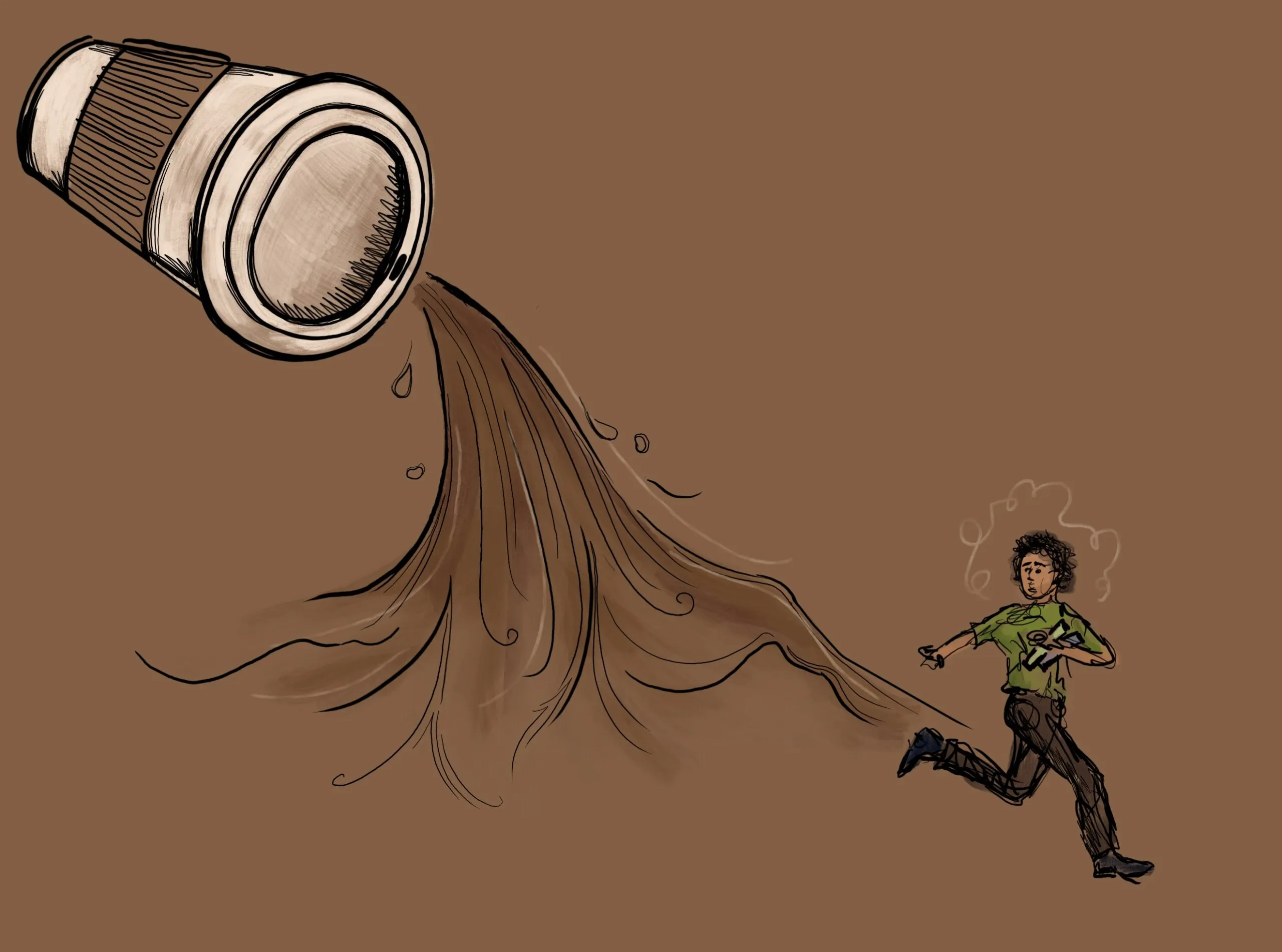
Understanding Caffeine Addiction
Caffeine is the world’s most consumed psychoactive drug, favored for its ability to enhance alertness. However, prolonged caffeine consumption can lead to addiction, causing a range of health issues. Moderation is crucial, as excessive intake can disrupt sleep patterns and increase anxiety levels.
The Health Impacts of Excessive Caffeine
- Increased heart rate: Consuming too much caffeine can lead to tachycardia.
- Sleep disturbances: High caffeine intake, particularly later in the day, can hinder sleep quality.
- Anxiety and jitteriness: Caffeine can exacerbate feelings of anxiety, making some individuals feel more stressed.
Experts recommend assessing your caffeine habits and considering alternatives to maintain a balanced lifestyle.
Making Healthier Choices
- Limit daily consumption: Aim for a maximum of 400 mg of caffeine, equivalent to about four 8-ounce cups of brewed coffee.
- Stay hydrated: Balance caffeine intake with adequate water consumption.
- Consider alternatives: Herbal teas or decaffeinated options can still provide enjoyment without the side effects of caffeine.
Disclaimer: The information provided on this site is for informational purposes only and is not intended as medical advice. We are not responsible for any actions taken based on the content of this site. Always consult a qualified healthcare provider for medical advice, diagnosis, and treatment. We source our news from reputable sources and provide links to the original articles. We do not endorse or assume responsibility for the accuracy of the information contained in external sources.
This article was prepared using information from open sources in accordance with the principles of Ethical Policy. The editorial team is not responsible for absolute accuracy, as it relies on data from the sources referenced.