Biden’s Cancer Moonshot Initiative and Its Role in the Quad Summit Focus
Health Collaboration in the Quad Summit
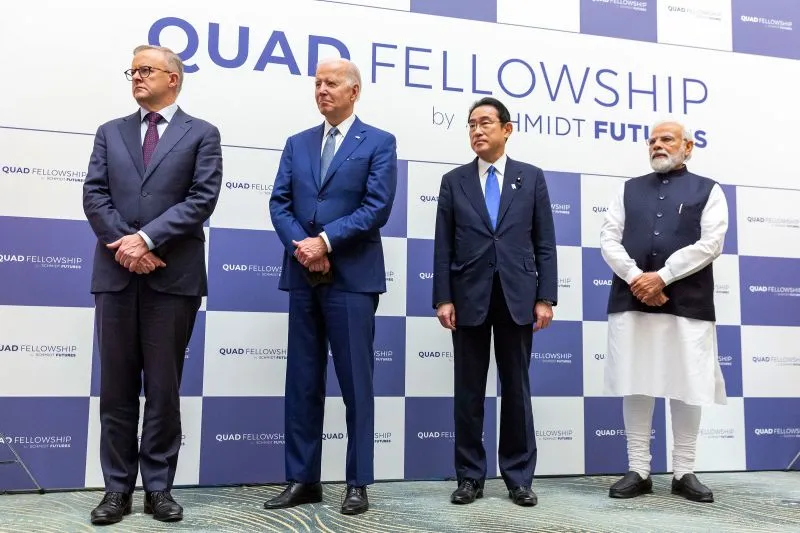
President Joe Biden is prioritizing health initiatives as he convenes leaders from Australia, India, and Japan at the upcoming Quad summit in Wilmington, Delaware. A central focus of this gathering will be the launch of a new partnership aimed at fighting cervical cancer in the Indo-Pacific region, expanding on Biden's Cancer Moonshot initiative.
Addressing Cervical Cancer
The Cancer Moonshot initiative is designed to significantly improve cervical cancer screening rates. This partnership aims to provide more comprehensive screenings in the region and boost vaccinations against human papillomavirus (HPV), a leading cause of cervical cancer. Through these efforts, Biden intends to emphasize the urgency and importance of women's health issues.
Significance of the Quad Summit
As Biden prepares for a diplomatic push, discussions will also cover pressing national security issues in the Indo-Pacific, including China’s aggressive military action. The integration of health initiatives into this summit reflects the administration's commitment to approaching policy from a holistic perspective.
- Cervical cancer screenings in the Indo-Pacific
- HPV vaccinations aimed at prevention
- Strengthening international health partnerships
Looking Ahead
With the upcoming UN General Assembly, Biden's summit will not only serve as a diplomatic effort but also a heartfelt initiative to enhance public health in partnership with other nations. This marks a significant chapter in Biden's legacy of promoting health initiatives alongside foreign policy.
Disclaimer: The information provided on this site is for informational purposes only and is not intended as medical advice. We are not responsible for any actions taken based on the content of this site. Always consult a qualified healthcare provider for medical advice, diagnosis, and treatment. We source our news from reputable sources and provide links to the original articles. We do not endorse or assume responsibility for the accuracy of the information contained in external sources.
This article was prepared using information from open sources in accordance with the principles of Ethical Policy. The editorial team is not responsible for absolute accuracy, as it relies on data from the sources referenced.