mRNA Vaccines as a Key Solution to Combat H5N1 Global Outbreaks
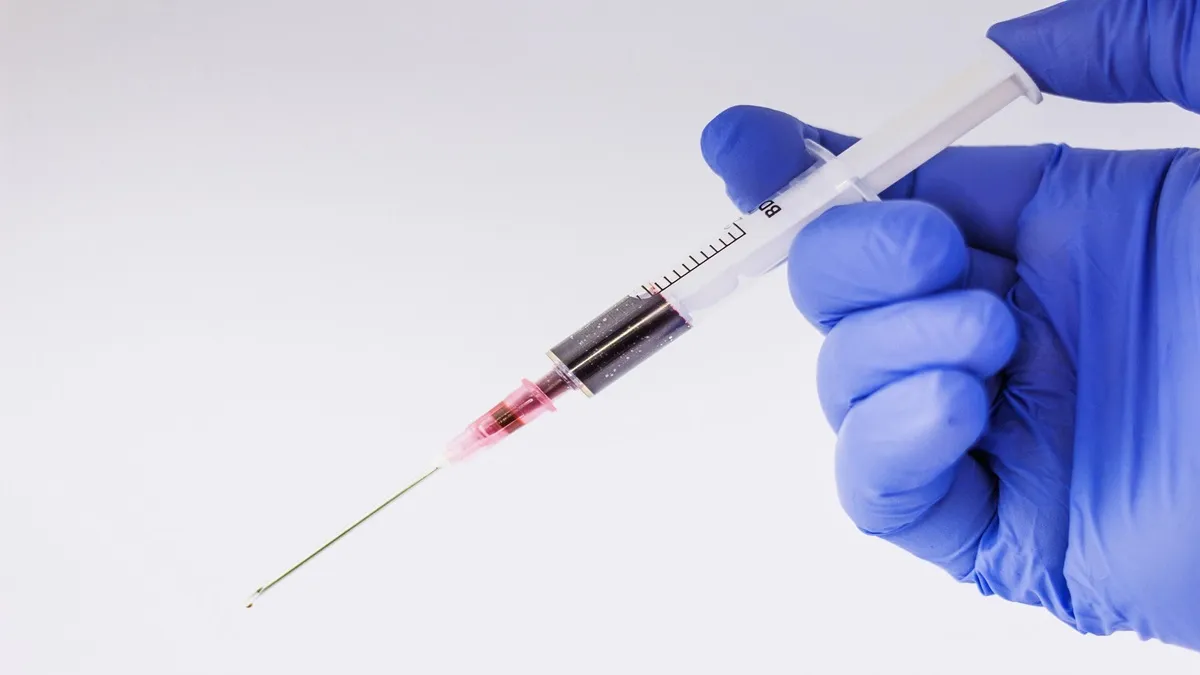
The H5N1 virus, known for its 50% human case fatality rate, has persisted globally for over two decades, causing thousands of infections. The recent outbreaks, including those affecting US dairy cows, have accelerated the development of next-generation vaccines, with mRNA vaccines stepping into the spotlight, aiming to replicate the success achieved during the COVID-19 pandemic, says GlobalData, a data and analytics company.
According to GlobalData, while the majority of the 22 vaccine candidates currently in development rely on traditional approaches, mRNA vaccines make up less than 10% of the pipeline. However, the rapid development and potential efficacy seen during the COVID-19 pandemic signal a significant shift in the H5N1 vaccine landscape.
Eleni Tokali, Pharma Analyst at GlobalData, comments, “While conventional vaccines still dominate, mRNA vaccines could play a pivotal role in future pandemic preparedness efforts. Their speed of development and potential for higher efficacy offer a new dimension in the fight against H5N1.”
Also Read: Bajaj Healthcare enters into development and supply agreement for API with European entity
One of the most promising candidates in this space is GSK’s investigational influenza vaccine, developed in collaboration with CureVac. This vaccine utilizes second-generation mRNA technology to encode the influenza A H5 antigen. According to GlobalData, this vaccine is currently in a Phase I/II clinical trial, with completion expected in 2025.
Similarly, CSL’s SQ-012, another mRNA vaccine candidate employing self-amplifying mRNA technology, is progressing through Phase I trials with similar aims. Tokali concludes: “Although mRNA vaccines represent a small portion in the current H5N1 vaccine pipeline, their potential impact on future pandemic preparedness is considerable. Successful development could significantly enhance global efforts to control H5N1, underscoring the transformative role of mRNA technology in infectious disease management.”
Disclaimer: The information provided on this site is for informational purposes only and is not intended as medical advice. We are not responsible for any actions taken based on the content of this site. Always consult a qualified healthcare provider for medical advice, diagnosis, and treatment. We source our news from reputable sources and provide links to the original articles. We do not endorse or assume responsibility for the accuracy of the information contained in external sources.
This article was prepared using information from open sources in accordance with the principles of Ethical Policy. The editorial team is not responsible for absolute accuracy, as it relies on data from the sources referenced.