Natural Short Sleepers: Understanding the Science Behind Short Sleeper Syndrome
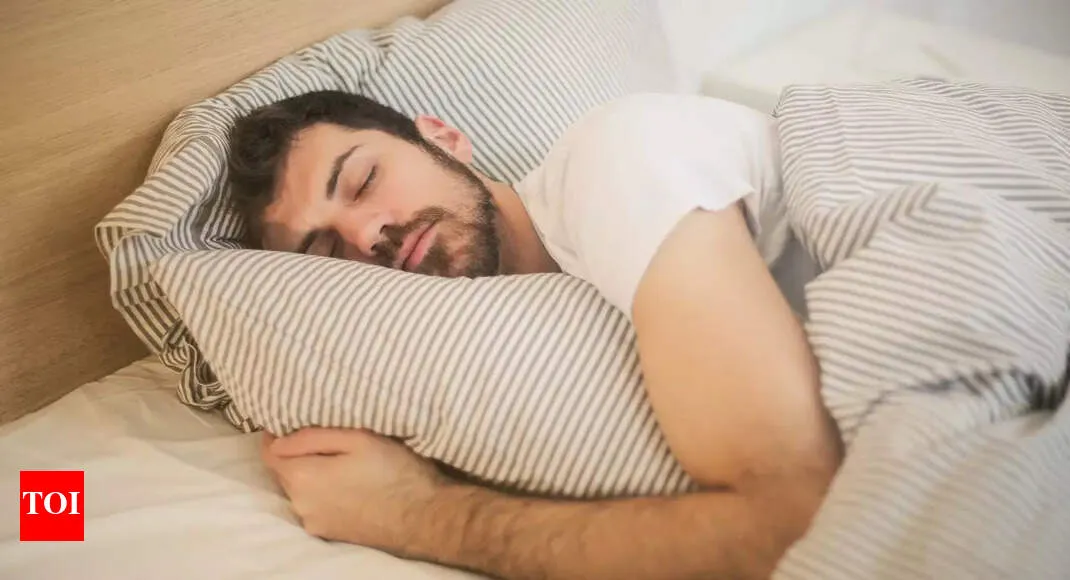
Natural Short Sleepers: The Science Behind Limited Sleep
Natural short sleepers are a remarkable group of individuals who thrive on just three to four hours of sleep each night. Unlike typical short sleepers, they are not suffering from sleep deprivation but possess unique genetic traits that allow them to function well-rested and high-performing on minimal sleep.
The Genetics of Short Sleeper Syndrome
Research indicates that natural short sleepers are genetically wired to require less sleep. Scientific studies have linked specific mutations in genes such as DEC2 and SIK3 that impact sleep architecture, enabling these individuals to complete essential sleep processes rapidly.
- Familial Natural Short Sleep (FNSS) reflects genetic inheritance, with cases often presenting in families.
- Natural short sleepers report feeling refreshed and mentally agile without the need for naps or stimulants.
Implications for Sleep Medicine
The possibility of leveraging the biology of natural short sleepers may have far-reaching implications. It could lead to new therapies for common sleep disorders like insomnia and sleep apnea, improving quality of life for many who struggle with traditional sleep patterns.
Understanding Sleep's Necessity
While the concept of short sleep might seem appealing, it’s crucial to differentiate it from general sleep deprivation. Most people need 7-8 hours to function optimally. Natural short sleepers operate under different biological rules, achieving restorative sleep in significantly less time.
Key Takeaways
- The remarkable traits of natural short sleepers reveal the profound interplay between genetics and sleep needs.
- Further research could revolutionize our understanding of sleep and lay the groundwork for new therapeutic strategies.
To discover more about this fascinating subject, consult current sleep research articles and ongoing studies in genetics.
Disclaimer: The information provided on this site is for informational purposes only and is not intended as medical advice. We are not responsible for any actions taken based on the content of this site. Always consult a qualified healthcare provider for medical advice, diagnosis, and treatment. We source our news from reputable sources and provide links to the original articles. We do not endorse or assume responsibility for the accuracy of the information contained in external sources.
This article was prepared using information from open sources in accordance with the principles of Ethical Policy. The editorial team is not responsible for absolute accuracy, as it relies on data from the sources referenced.