Health Science Findings: E-Bike and Scooter Injuries Surge from 2019 to 2022
Recent Surge in E-Bike and Scooter Injuries
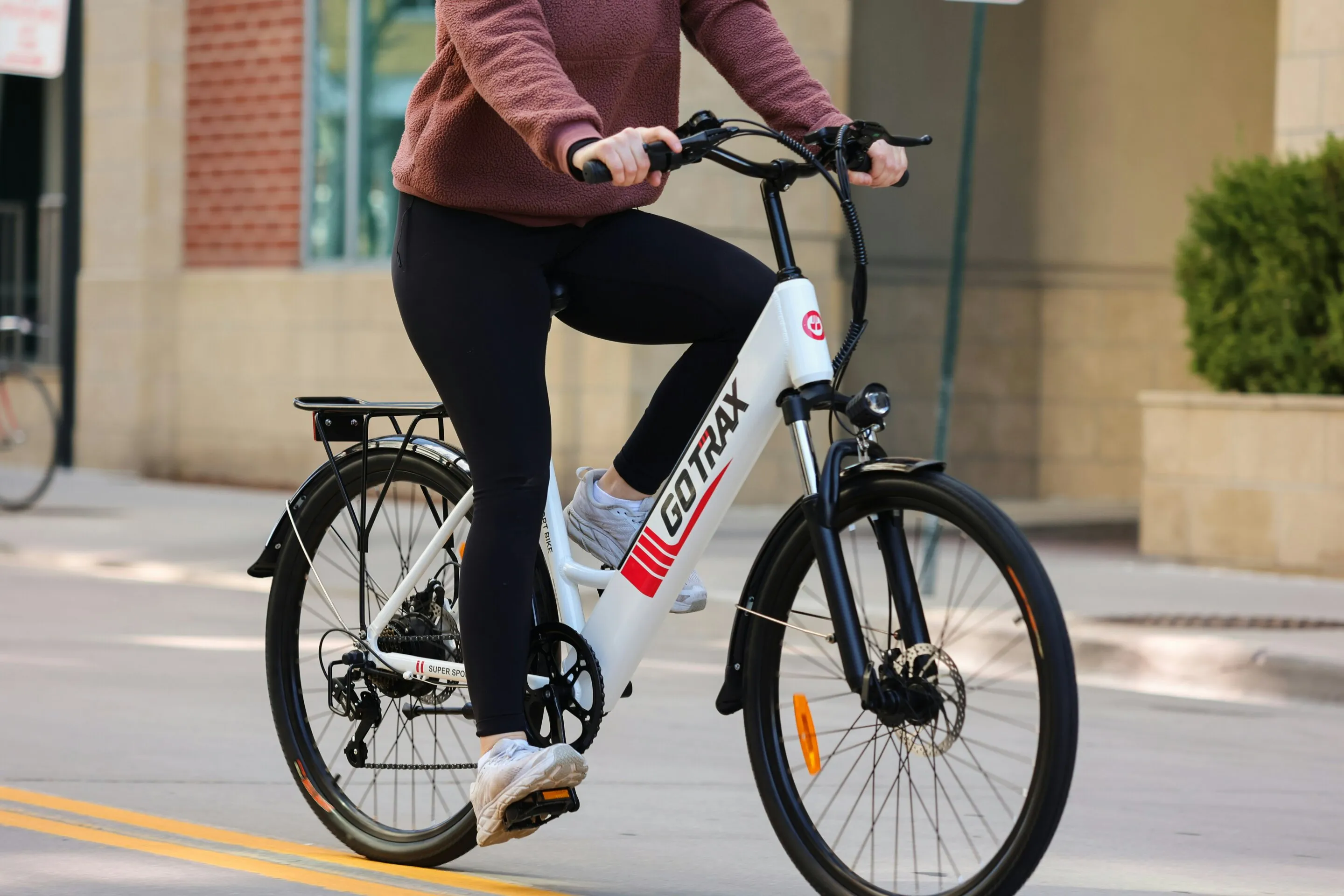
Health research reveals that injuries related to e-bikes and powered scooters increased dramatically over the past few years. The surge documented between 2019 and 2022 shows an alarming 293% rise in e-bike injuries and an 88% increase in scooter-related injuries. These statistics, presented in a recent medicine research study from the Columbia University Mailman School of Public Health, shed light on a pressing public health issue.
Key Factors Contributing to Increased Injuries
- Increased Usage: More individuals are turning to e-bikes and scooters as convenient transportation options.
- Lack of Regulation: Many cities lack sufficient regulations surrounding their use, contributing to rising injury rates.
- Safety Awareness: Riders may not be fully aware of safety protocols, leading to preventable accidents.
Future Implications for Health Science and Policy
This study's findings emphasize the need for enhanced safety measures and targeted health research to mitigate these risks. Policymakers and health professionals must collaborate to create comprehensive strategies aimed at reducing these injury rates.
Disclaimer: The information provided on this site is for informational purposes only and is not intended as medical advice. We are not responsible for any actions taken based on the content of this site. Always consult a qualified healthcare provider for medical advice, diagnosis, and treatment. We source our news from reputable sources and provide links to the original articles. We do not endorse or assume responsibility for the accuracy of the information contained in external sources.
This article was prepared using information from open sources in accordance with the principles of Ethical Policy. The editorial team is not responsible for absolute accuracy, as it relies on data from the sources referenced.