Fluoride in Drinking Water and Its Potential Risks on Child Development: New Actions from EPA
Fluoride Risks in Drinking Water
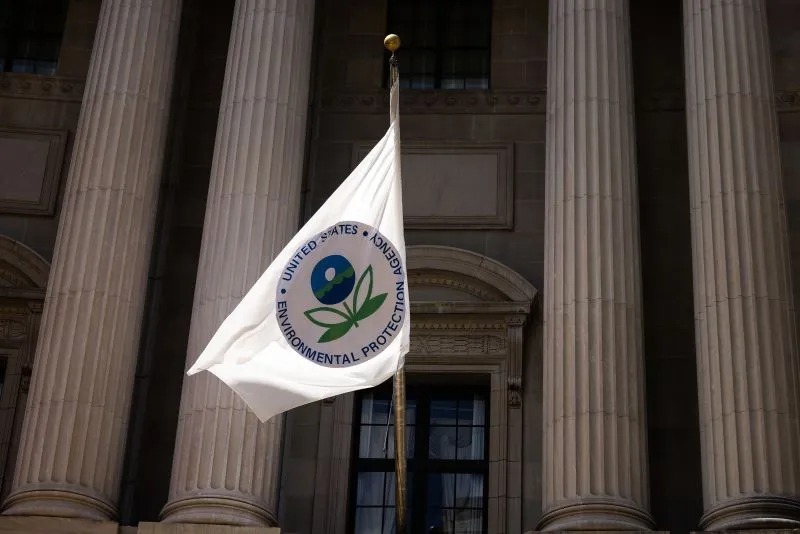
A federal judge has ordered the US Environmental Protection Agency to further regulate fluoride in drinking water to mitigate potential risks to intellectual development in children. Judge Edward Chen highlighted the lack of certainty regarding fluoride's effects at typical levels but indicated that accumulating research suggests a significant risk.
Scientific Findings and Regulatory Actions
The ruling follows findings from a federal agency that reported a moderate confidence in the link between increased fluoride exposure and lower cognitive performance in children. The EPA must ensure that the exposure levels remain within a safe margin to protect public health.
- The judge's decision reflects growing concerns over fluoride's impact.
- Historically, fluoride was added to drinking water to prevent cavities and strengthen teeth.
- Current recommendations suggest a fluoridation level of 0.7 mg/L after a previous upper range of 1.2.
- In 2017, a court case led by Food & Water Watch began.
- The judge paused to await National Toxicology Program report results.
- Further legal actions are expected as the EPA evaluates findings.
Disclaimer: The information provided on this site is for informational purposes only and is not intended as medical advice. We are not responsible for any actions taken based on the content of this site. Always consult a qualified healthcare provider for medical advice, diagnosis, and treatment. We source our news from reputable sources and provide links to the original articles. We do not endorse or assume responsibility for the accuracy of the information contained in external sources.
This article was prepared using information from open sources in accordance with the principles of Ethical Policy. The editorial team is not responsible for absolute accuracy, as it relies on data from the sources referenced.