How Hormonal Fluctuations During the Menstrual Cycle Influence Depression and Athletic Performance
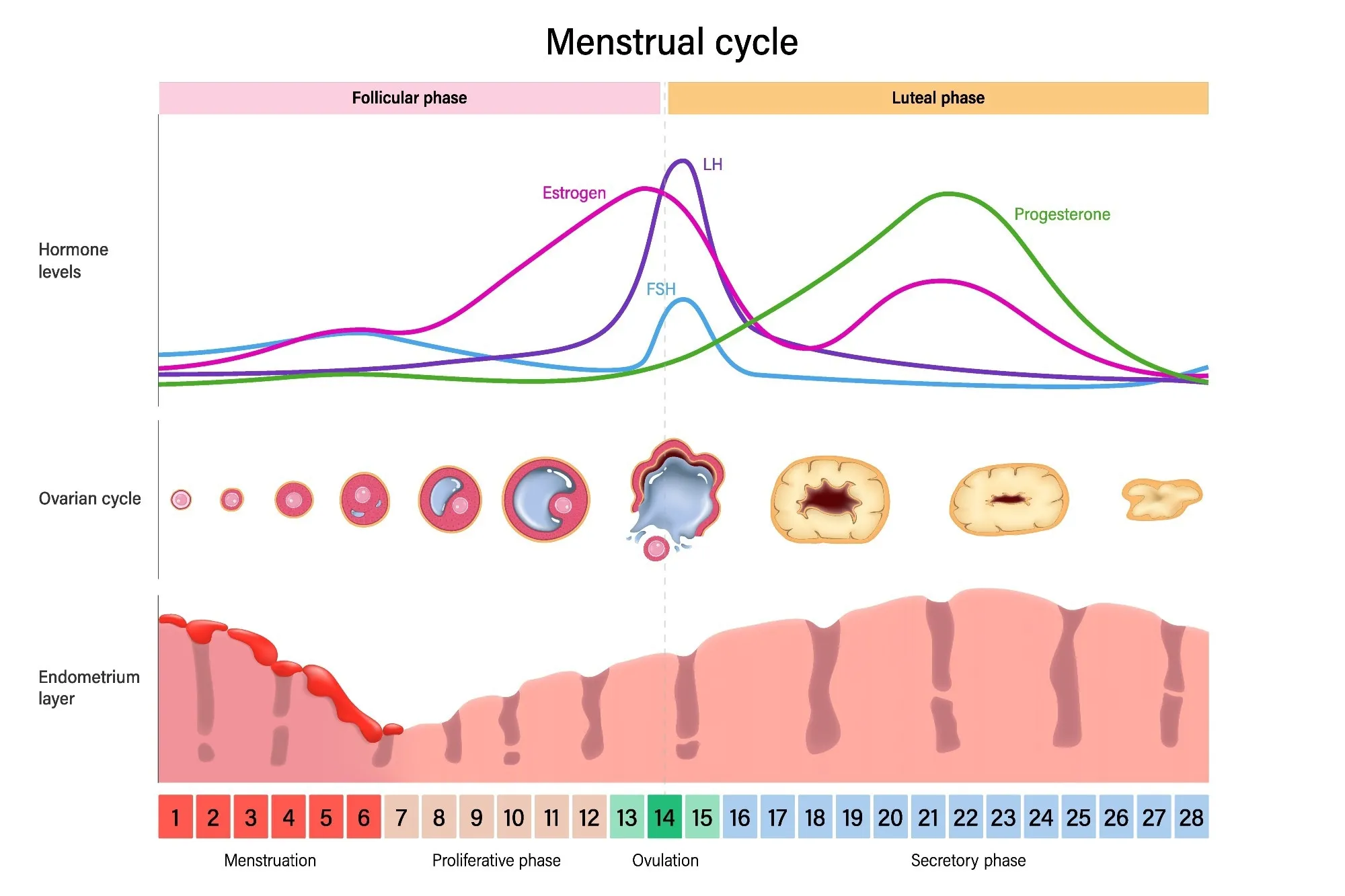
The Effect of Hormones on Performance
The menstrual cycle is more than just a physical process; it heavily influences athletic performance and mental health, particularly in terms of depression. Research indicates that hormonal changes, specifically in estrogen and progesterone, can affect fatigue and motivation, creating peaks and troughs in a woman's mental well-being during her cycle.
Key Phases and Their Impact
- Follicular Phase – Increased estrogen can enhance mood and energy levels.
- Ovulation – Peak performance and mental clarity are often experienced.
- Luteal Phase – Hormonal decline may lead to increased fatigue and depressive symptoms.
By recognizing these trends, athletes can adjust their training regimens and mental health strategies, ultimately excelling in their performance.
Conclusion
Understanding the menstrual cycle's influence on hormonal fluctuations not only aids athletes in their quest for optimal performance but also contributes to better management of depression and fatigue. For more details, consult the relevant research.
Disclaimer: The information provided on this site is for informational purposes only and is not intended as medical advice. We are not responsible for any actions taken based on the content of this site. Always consult a qualified healthcare provider for medical advice, diagnosis, and treatment. We source our news from reputable sources and provide links to the original articles. We do not endorse or assume responsibility for the accuracy of the information contained in external sources.
This article was prepared using information from open sources in accordance with the principles of Ethical Policy. The editorial team is not responsible for absolute accuracy, as it relies on data from the sources referenced.