Understanding the Impact of Blindness and Low Vision on Nonverbal Communication
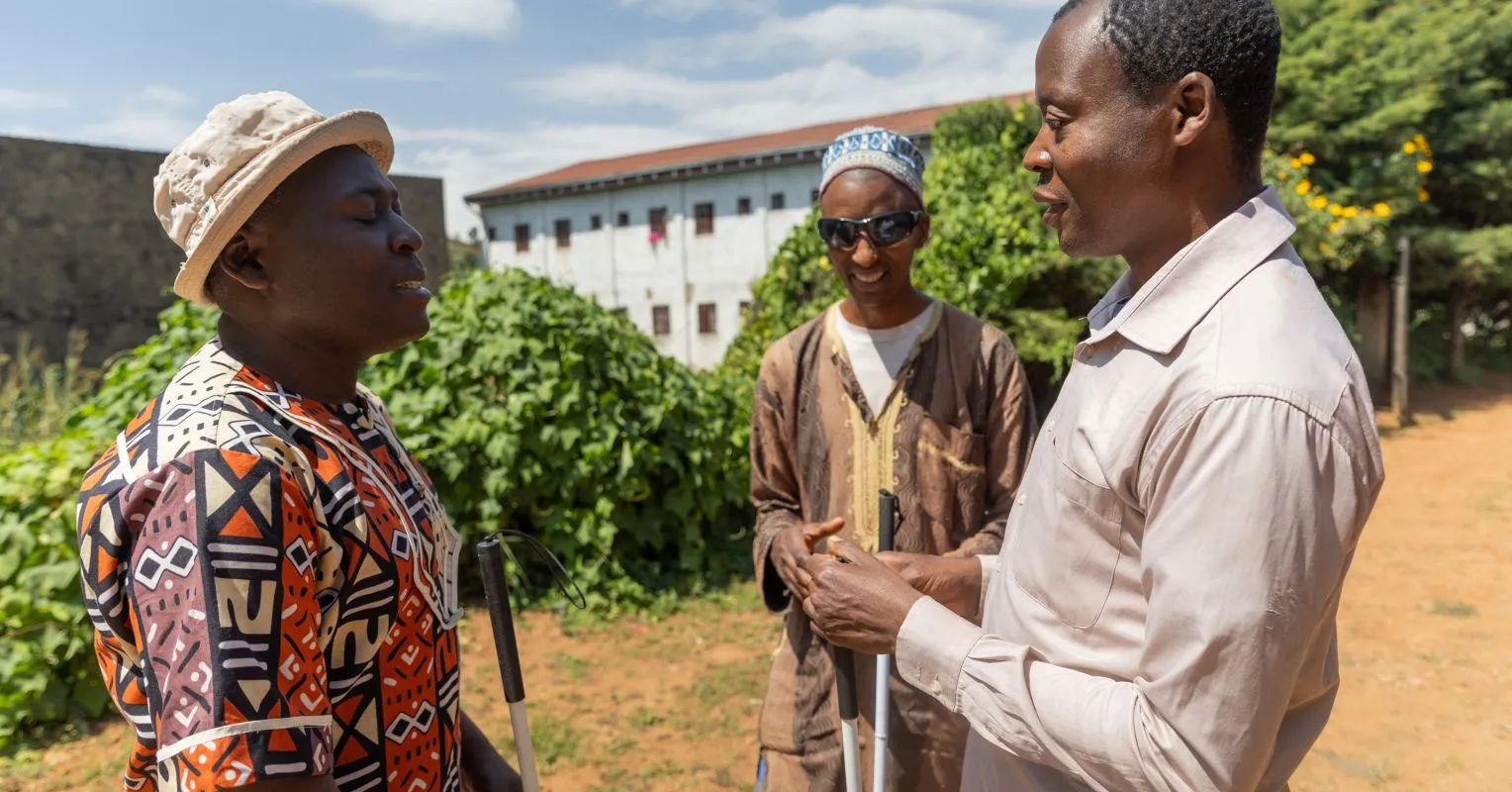
Blindness and low vision can drastically change the way individuals interact and communicate. Impaired sight leads to difficulties in perceiving vital nonverbal cues, such as facial expressions and body language, which are critical in face-to-face interactions. To help bridge this divide, we can explore various strategies to improve communication techniques and foster better understanding.
Consequences of Impaired Sight
Individuals facing blindness or low vision encounter several challenges in social situations:
- Difficulty interpreting facial expressions.
- Challenges in recognizing social cues.
- Limited engagement in conversations.
Enhancing Communication Techniques
To support those with visual impairments, consider the following approaches:
- Verbalize nonverbal cues: Describe actions or expressions.
- Encourage open dialogue: Ask questions about feelings or reactions.
- Emphasize auditory signals: Utilize tone and rhythm in speech.
Conclusion: Fostering Inclusive Communication
Creating inclusive environments benefits everyone by enhancing understanding and minimizing miscommunication. By adjusting our interactions with individuals with blindness or low vision, we can foster better relationships.
Disclaimer: The information provided on this site is for informational purposes only and is not intended as medical advice. We are not responsible for any actions taken based on the content of this site. Always consult a qualified healthcare provider for medical advice, diagnosis, and treatment. We source our news from reputable sources and provide links to the original articles. We do not endorse or assume responsibility for the accuracy of the information contained in external sources.
This article was prepared using information from open sources in accordance with the principles of Ethical Policy. The editorial team is not responsible for absolute accuracy, as it relies on data from the sources referenced.