Health Research: New Genomic Surveillance Tools to Combat Parasitic Infections
Groundbreaking Advances in Health Research
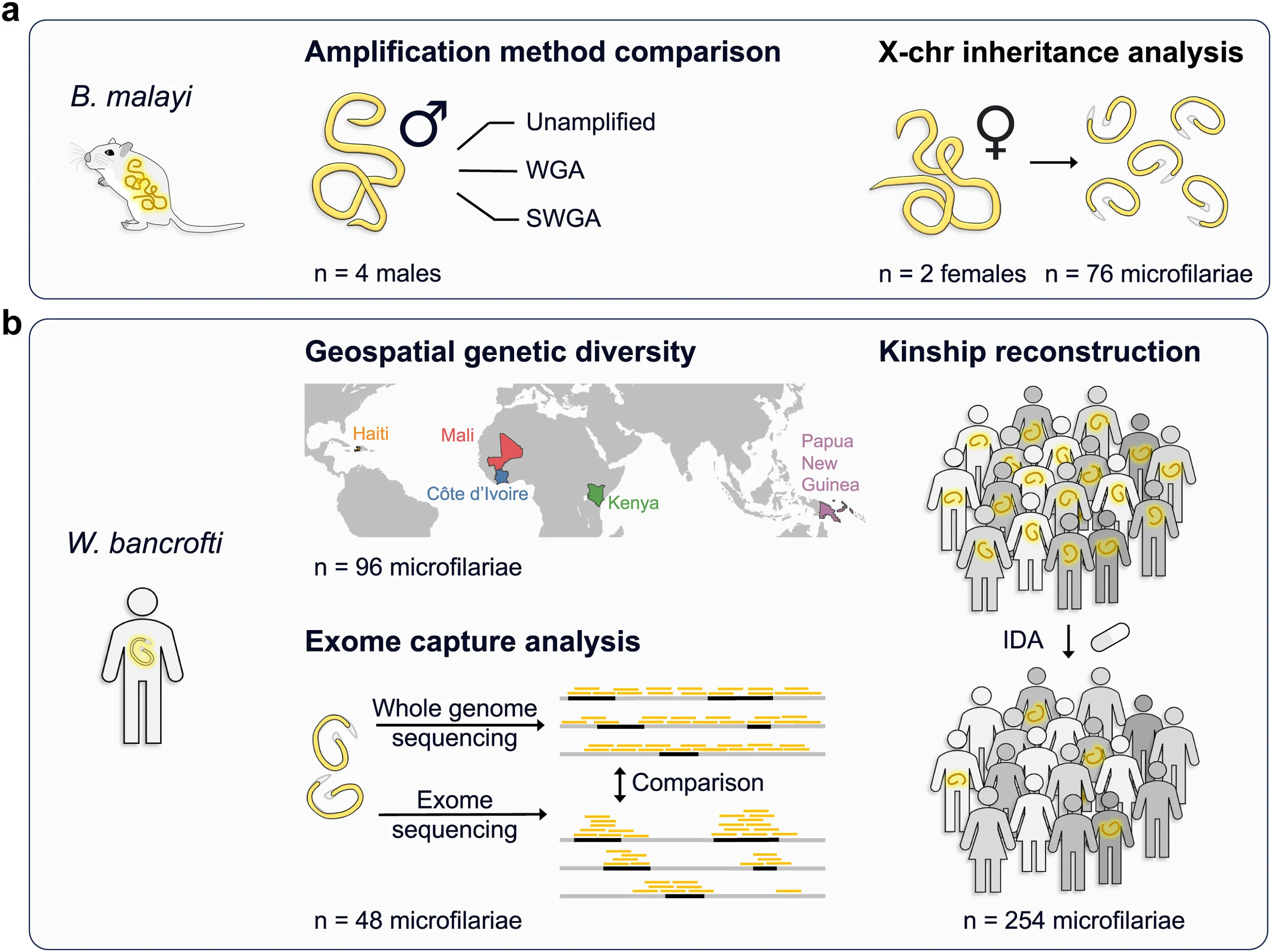
Researchers at Washington University School of Medicine in St. Louis have unveiled a groundbreaking genomic-based approach that promises to aid global efforts in eliminating parasitic infections, particularly lymphatic filariasis. This innovative method focuses on leveraging genome sequencing to better understand the lifecycle of these harmful parasites and develop targeted strategies for their control.
Significance of Genomic Surveillance
- Enhanced Detection: New genomic tools allow for more precise detection of parasitic infections.
- Global Health Impact: These advancements could significantly influence public health initiatives.
- Research Innovations: Continued investment in medicine research can amplify these findings.
Implications for Health Science
As health science evolves, the integration of advanced genomic technologies in addressing complex infections opens new pathways for effective treatments and preventive measures. With ongoing research, the potential for eliminating damaging diseases becomes more attainable.
Disclaimer: The information provided on this site is for informational purposes only and is not intended as medical advice. We are not responsible for any actions taken based on the content of this site. Always consult a qualified healthcare provider for medical advice, diagnosis, and treatment. We source our news from reputable sources and provide links to the original articles. We do not endorse or assume responsibility for the accuracy of the information contained in external sources.
This article was prepared using information from open sources in accordance with the principles of Ethical Policy. The editorial team is not responsible for absolute accuracy, as it relies on data from the sources referenced.