Certified Organic Coffee and Its Impact on Climate Change
Study Overview
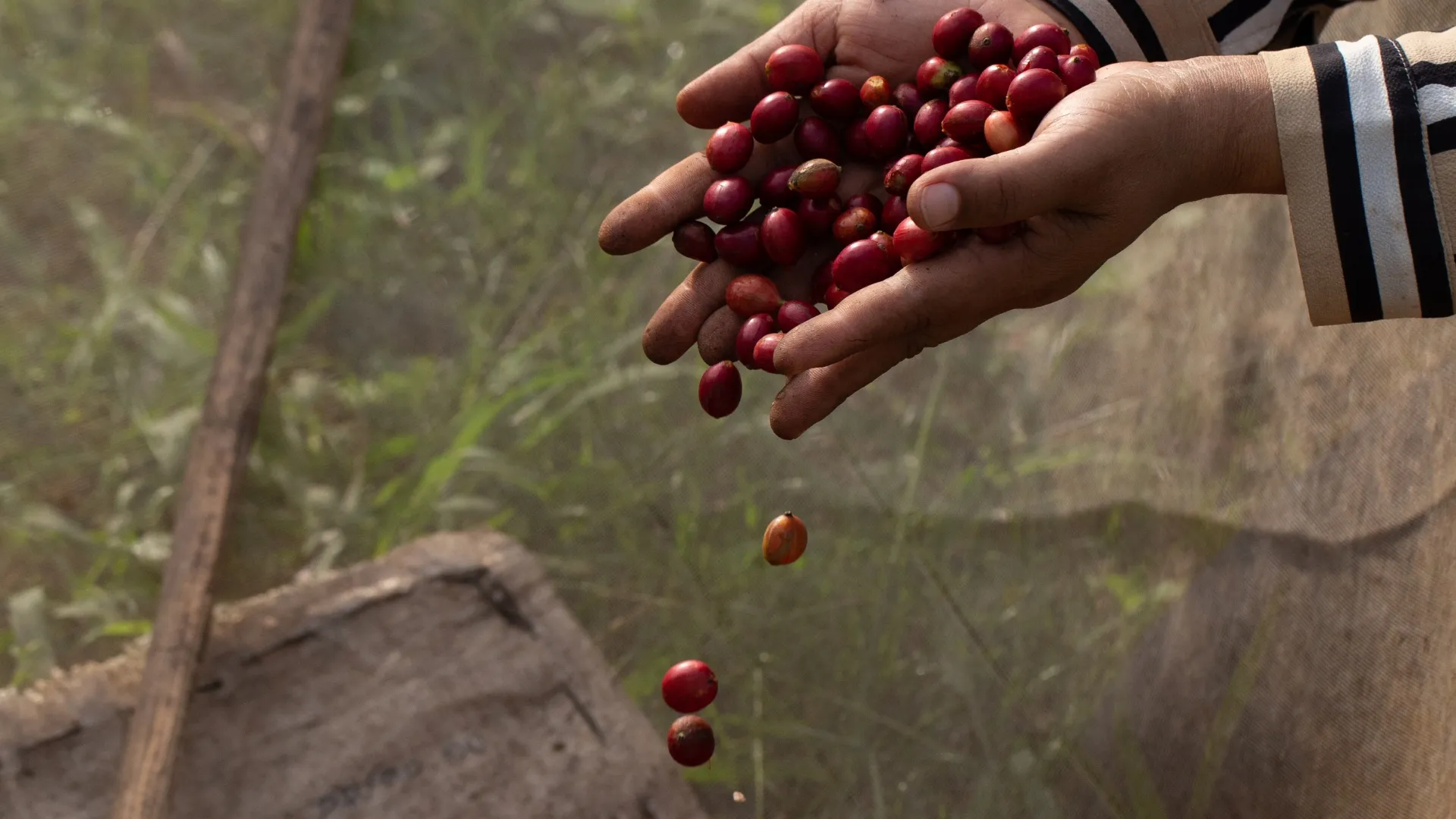
Recent research underscores the importance of carbon sequestration in addressing the climate crisis. The study indicates that certified organic coffee producers in Peru maintain a noteworthy advantage in their carbon footprint, especially when juxtaposed with transitional organic coffee farms. This finding is pivotal in promoting organic agriculture as a sustainable practice.
Key Findings on Climate Change Impact
- Certified organic coffee production shows a lower ghgs output.
- The study promotes soil health and sustainable farming practices.
- USDA standards and NOSB guidelines play a significant role in organic certification.
Implications for the Future
Advancing organic coffee production not only supports climate change mitigation but also enhances local economies. Committing to organic practices can yield positive environmental outcomes.
Disclaimer: The information provided on this site is for informational purposes only and is not intended as medical advice. We are not responsible for any actions taken based on the content of this site. Always consult a qualified healthcare provider for medical advice, diagnosis, and treatment. We source our news from reputable sources and provide links to the original articles. We do not endorse or assume responsibility for the accuracy of the information contained in external sources.
This article was prepared using information from open sources in accordance with the principles of Ethical Policy. The editorial team is not responsible for absolute accuracy, as it relies on data from the sources referenced.