Supreme Court Upholds Texas Abortion Law Impacting Emergency Situations
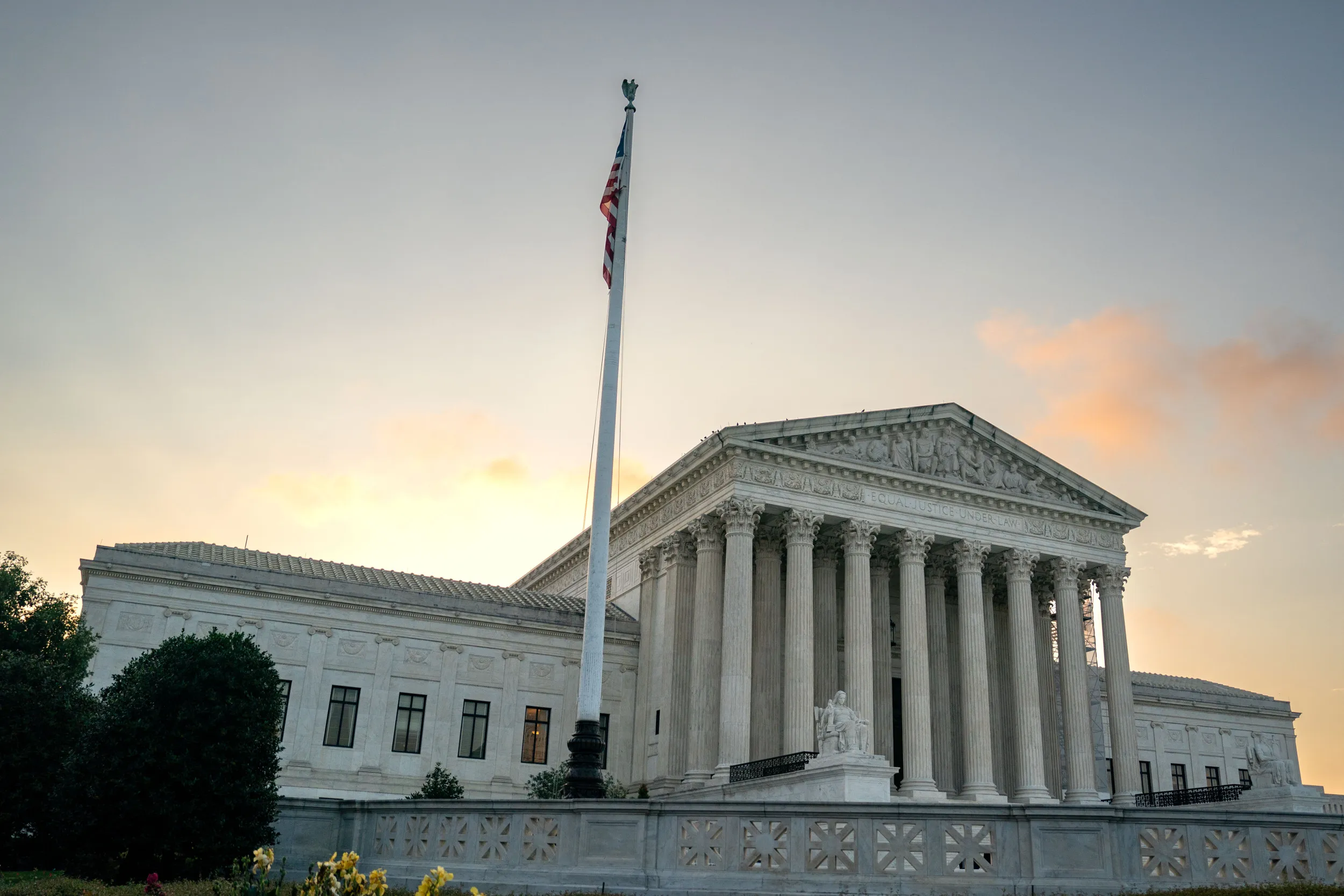
Supreme Court's Controversial Ruling
The Supreme Court has upheld a ruling that prevents hospitals from conducting emergency abortions if it violates Texas law. This decision came after the court turned down an appeal from the Biden administration, which argued that federal law mandates abortions in emergency situations. The justices opted to maintain a lower court order stating that medical facilities are not compelled to perform pregnancy terminations that breach state regulations.
Implications for Healthcare in Texas
According to the Texas Supreme Court, physicians are not obligated to postpone abortion procedures until a woman’s life is immediately endangered. However, the Biden administration asserts that this ruling creates unnecessary barriers, conflicting with federal laws. Texas officials argue that their legislation has provisions safeguarding pregnant individuals' health, a point highlighted amidst growing concerns regarding medical emergencies.
Rising Concerns Among Healthcare Providers
- Doctors express alarm over the vagueness of health exceptions in the law.
- Reports indicate an alarming trend of women in distress being denied necessary care.
- Hospitals face confusion in balancing legal compliance with standard medical practices.
This situation highlights the critical role of abortion in preventing severe medical complications, including sepsis and organ failure. The ongoing debates surrounding Texas' abortion regulations continue to escalate as healthcare providers seek clarity and patient safety remains at the forefront of medical practice.
Disclaimer: The information provided on this site is for informational purposes only and is not intended as medical advice. We are not responsible for any actions taken based on the content of this site. Always consult a qualified healthcare provider for medical advice, diagnosis, and treatment. We source our news from reputable sources and provide links to the original articles. We do not endorse or assume responsibility for the accuracy of the information contained in external sources.
This article was prepared using information from open sources in accordance with the principles of Ethical Policy. The editorial team is not responsible for absolute accuracy, as it relies on data from the sources referenced.