Scripts for GLP-1 and SGLT2 Drugs: Transforming Type 1 Diabetes Management
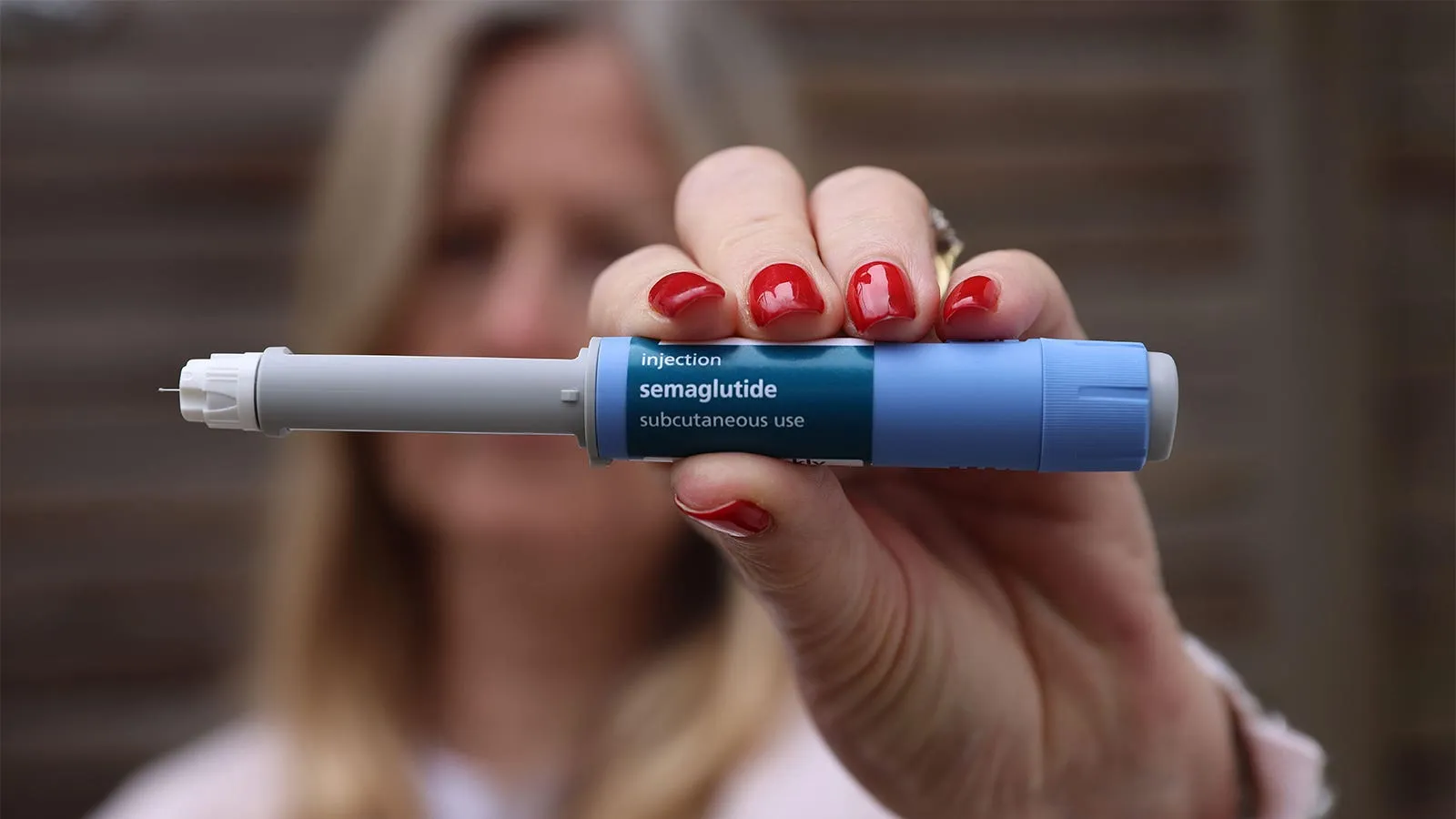
Exploring Scripts for GLP-1 and SGLT2 Drugs
Scripts for GLP-1 (glucagon-like peptide-1) and SGLT2 (sodium-glucose cotransporter-2) drugs mark a pivotal shift in type 1 diabetes treatment. Initially, these medications targeted type 2 diabetes, but recent findings suggest benefits for type 1 patients, especially regarding weight management. Patients are experiencing improved glycemic control with these innovative therapies.
The Rising Popularity of GLP-1 and SGLT2 Drugs
- GLP-1 Agonists: Known for promoting weight loss and controlling appetite, they are now explored for type 1 diabetes management.
- SGLT2 Inhibitors: These drugs prevent glucose reabsorption in kidneys, aiding in better blood sugar regulation.
Conclusion: A New Era in Diabetes Treatment
This trend toward GLP-1 and SGLT2 medications among type 1 diabetes patients represents an exciting new chapter in diabetes treatment, enhancing overall health management.
Disclaimer: The information provided on this site is for informational purposes only and is not intended as medical advice. We are not responsible for any actions taken based on the content of this site. Always consult a qualified healthcare provider for medical advice, diagnosis, and treatment. We source our news from reputable sources and provide links to the original articles. We do not endorse or assume responsibility for the accuracy of the information contained in external sources.
This article was prepared using information from open sources in accordance with the principles of Ethical Policy. The editorial team is not responsible for absolute accuracy, as it relies on data from the sources referenced.