Understanding the Impact of a Weaker Yuan on U.S.-China Trade Relations
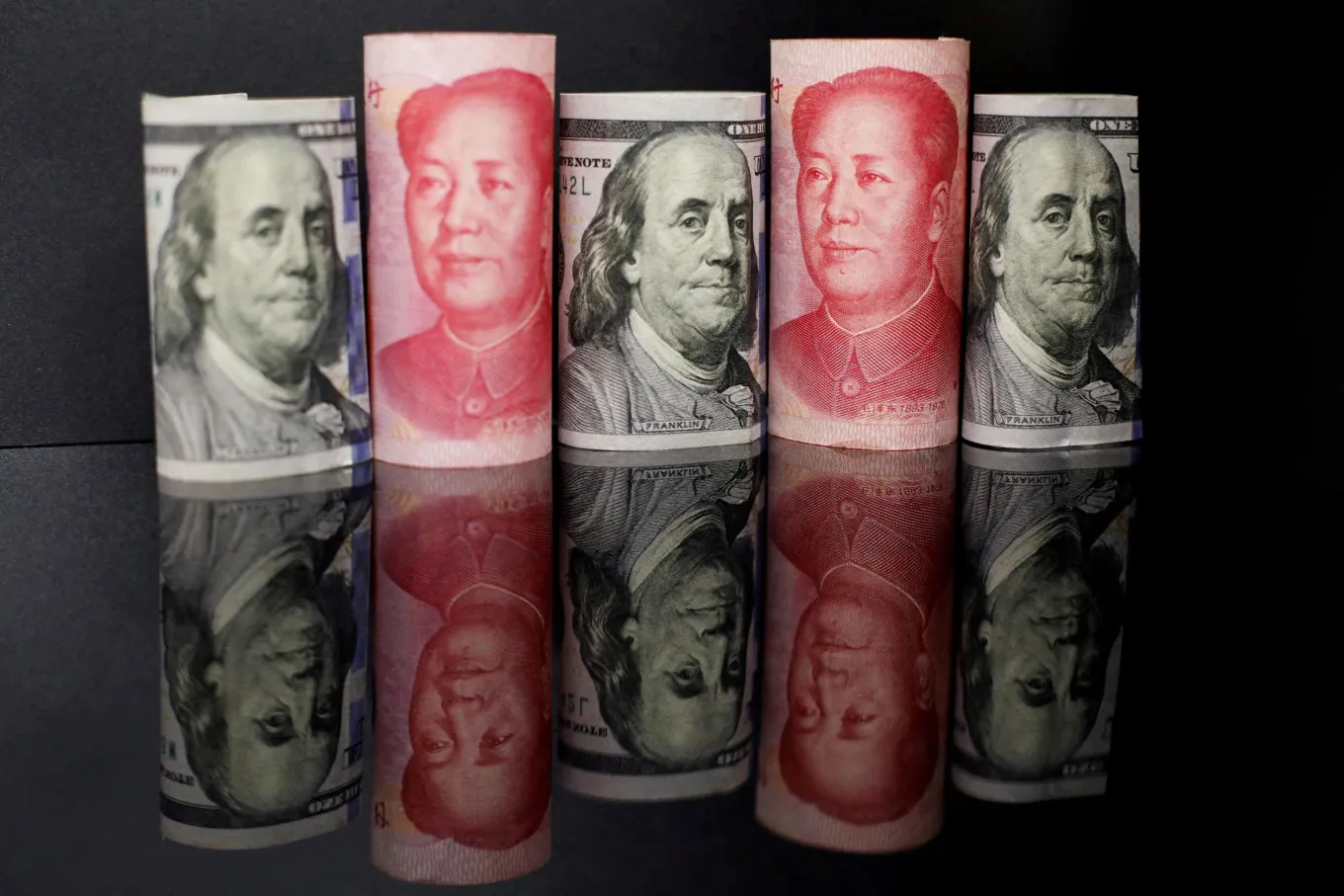
As tensions rise in U.S.-China trade relations, Chinese authorities are contemplating a weaker yuan to mitigate the effects of Trump's tariffs. A depreciation of the renminbi could enhance the competitiveness of Chinese exports, offering a response to the increasing trade barriers. This strategic move aims to create a more favorable monetary environment in mainland China, effectively adjusting the balance of trade.
By allowing the yuan to lose value, China hopes to offset the cost implications brought by tariffs. This shift could serve as a vital lever in managing export volumes and stabilizing the economy in uncertain times.
Disclaimer: The information provided on this site is for informational purposes only and is not intended as medical advice. We are not responsible for any actions taken based on the content of this site. Always consult a qualified healthcare provider for medical advice, diagnosis, and treatment. We source our news from reputable sources and provide links to the original articles. We do not endorse or assume responsibility for the accuracy of the information contained in external sources.
This article was prepared using information from open sources in accordance with the principles of Ethical Policy. The editorial team is not responsible for absolute accuracy, as it relies on data from the sources referenced.