Korean Air's Acquisition of Asiana Airlines: A Major Step in Aviation
The Takeover Announcement
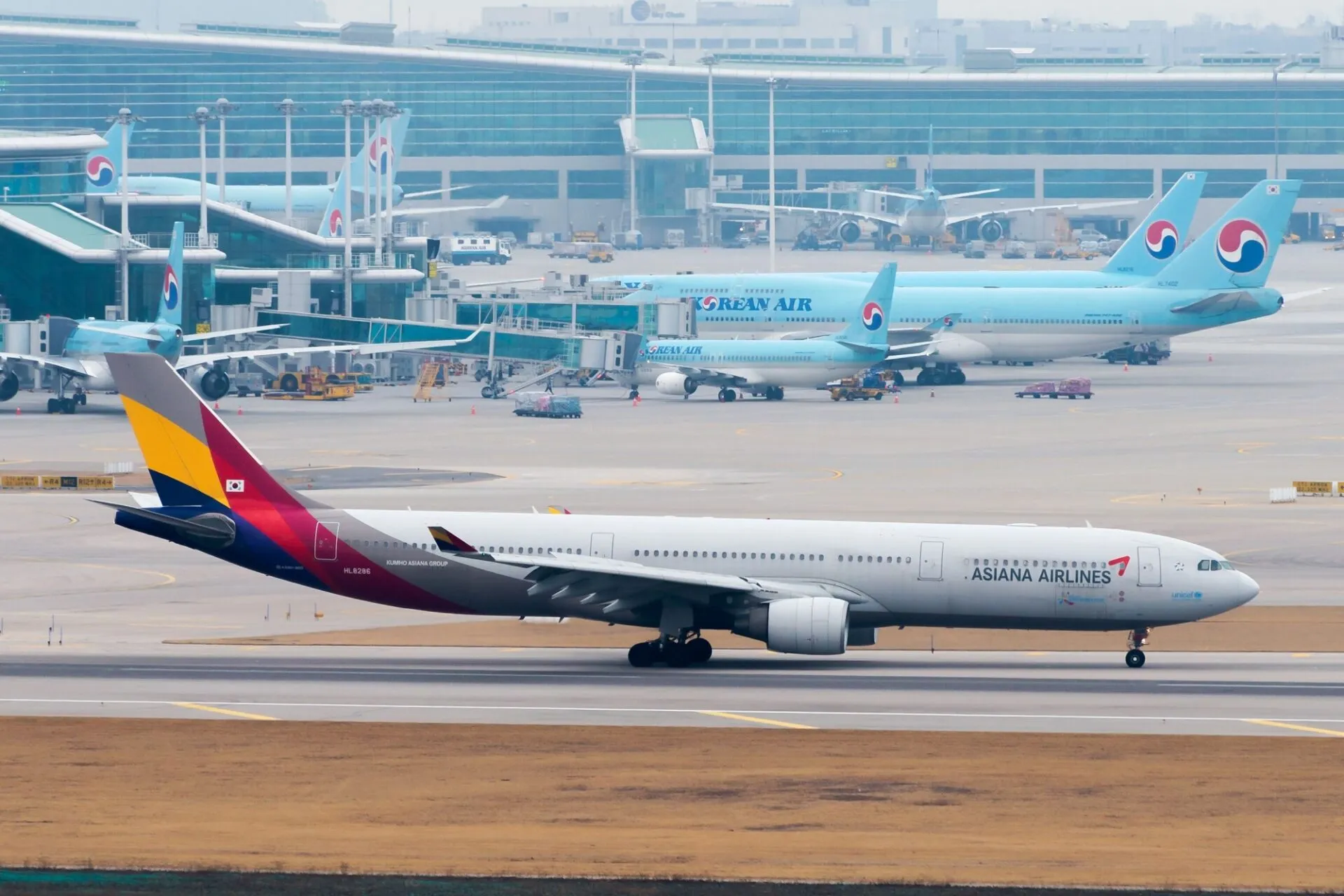
Korean Air has closed its acquisition of Asiana Airlines, finalized on December 12, 2024, with the purchase of 131,578,947 newly issued shares, giving it a dominant 63.88% ownership stake. This acquisition not only positions Korean Air as a key player in the aviation sector but also marks the culmination of a process initiated four years ago.
Financial Details of the Deal
- On December 11, Korean Air invested KRW 800 billion ($558.58 million) into Asiana, securing control.
- The aim is to complete integration within two years.
Strategic Integration Plans
The integration will focus on:
- Network optimization through diversified flight schedules on overlapping routes.
- Service expansion to new destinations.
- Enhancements in safety investments.
Impact on Employees and Operations
Korean Air emphasizes that the merger will not lead to workforce reductions. Instead, they project natural employee growth through business expansion with reassignment in overlapping roles. Additionally, the integrated frequent flyer program will be submitted for regulatory approval by June 2025, ensuring continued benefits for loyal customers.
Future Developments
Asiana Airlines is set to hold a shareholder meeting on January 16, 2025, to appoint new board directors nominated by Korean Air. The merger represents a significant consolidation of power in the South Korean airline industry, with implications for national competitive dynamics and global reach.
Disclaimer: The information provided on this site is for informational purposes only and is not intended as medical advice. We are not responsible for any actions taken based on the content of this site. Always consult a qualified healthcare provider for medical advice, diagnosis, and treatment. We source our news from reputable sources and provide links to the original articles. We do not endorse or assume responsibility for the accuracy of the information contained in external sources.
This article was prepared using information from open sources in accordance with the principles of Ethical Policy. The editorial team is not responsible for absolute accuracy, as it relies on data from the sources referenced.