U.S. Foreign Policy and Its Impact on Kurdish Groups in Syria
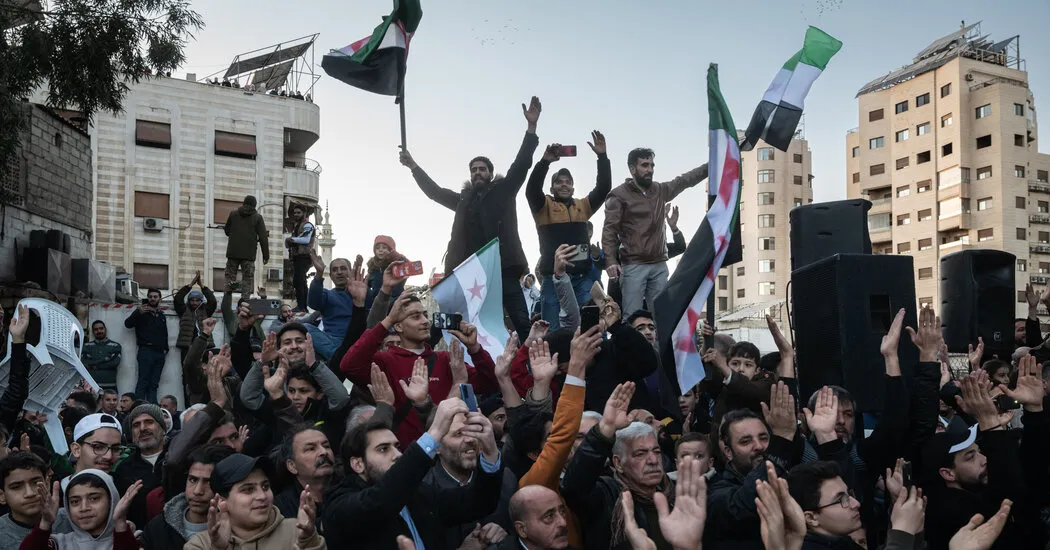
U.S. Foreign Policy Engages with Kurdish Forces
Secretary of State Antony J. Blinken confirmed that the United States is maintaining direct communication with Hayat Tahrir al-Sham, the leading rebel faction in Syria, even though it is officially classified as a terrorist group. This strategic engagement is part of a broader analysis of U.S. foreign policy in the region.
Impact on Syrian Landscape
The implications of these interactions are vast, especially regarding how they affect current armed conflicts, including those involving people's protection units (YPG) and other Kurdish entities. As the situation unfolds in cities like Damascus, Ankara, and Baghdad, various stakeholders are critically evaluating their positions.
Key Concerns
- Regional Stability: The partnerships formed by U.S. diplomacy might ignite further conflicts.
- International Relations: Engaging with groups like Hayat Tahrir al-Sham could complicate U.S. relations with Turkey and other allies.
- Political Dynamics: The role of Kurdish factions in shaping governance structures will be under scrutiny as battles continue.
This ongoing narrative is crucial to understand the dynamic geopolitics of Syria and the broader Middle East.
Disclaimer: The information provided on this site is for informational purposes only and is not intended as medical advice. We are not responsible for any actions taken based on the content of this site. Always consult a qualified healthcare provider for medical advice, diagnosis, and treatment. We source our news from reputable sources and provide links to the original articles. We do not endorse or assume responsibility for the accuracy of the information contained in external sources.
This article was prepared using information from open sources in accordance with the principles of Ethical Policy. The editorial team is not responsible for absolute accuracy, as it relies on data from the sources referenced.