Understanding the Health Impacts of Daylight Saving Time
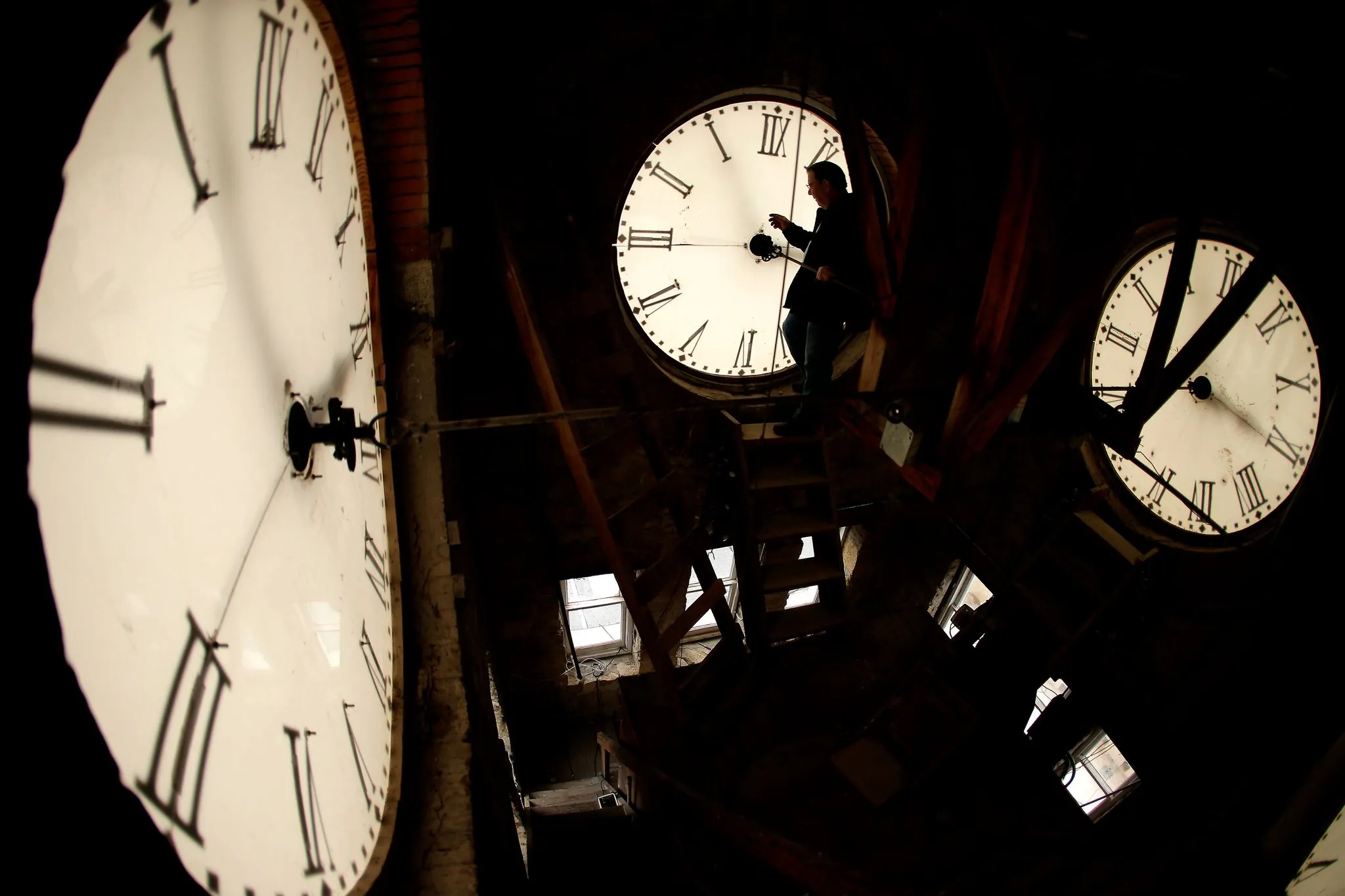
Health Risks Associated with Daylight Saving Time
The transition into daylight saving time poses various health risks. Losing an hour of sleep can lead to increased incidents of heart attacks and strokes immediately following the switch. Sleep-deprived individuals are at a higher risk of experiencing fatal car crashes, particularly during the mornings after the time change. This is primarily attributed to the disruptions in our circadian rhythms.
How to Prepare for Daylight Savings
To mitigate these health impacts, consider making gradual adjustments to your sleep schedule. Here are some tips:
- Set your bedtime 15-20 minutes earlier for a few nights leading up to the time change.
- Increase exposure to early morning sunlight during the transition week.
- Adjust your daily routines, such as meal times and exercise, to help your body acclimate.
- Limit naps and caffeine intake before bedtime.
The Debate on Daylight Saving Time
There is ongoing discussion regarding the elimination of daylight saving time in the U.S. While some, including former President Donald Trump, have promised to eliminate it, health organizations like the American Medical Association advocate for a permanent standard time instead. They believe this aligns better with natural light patterns and could support healthier sleep habits.
Disclaimer: The information provided on this site is for informational purposes only and is not intended as medical advice. We are not responsible for any actions taken based on the content of this site. Always consult a qualified healthcare provider for medical advice, diagnosis, and treatment. We source our news from reputable sources and provide links to the original articles. We do not endorse or assume responsibility for the accuracy of the information contained in external sources.
This article was prepared using information from open sources in accordance with the principles of Ethical Policy. The editorial team is not responsible for absolute accuracy, as it relies on data from the sources referenced.