FDA's Historic Decision on Menopause Hormone Replacement Therapy
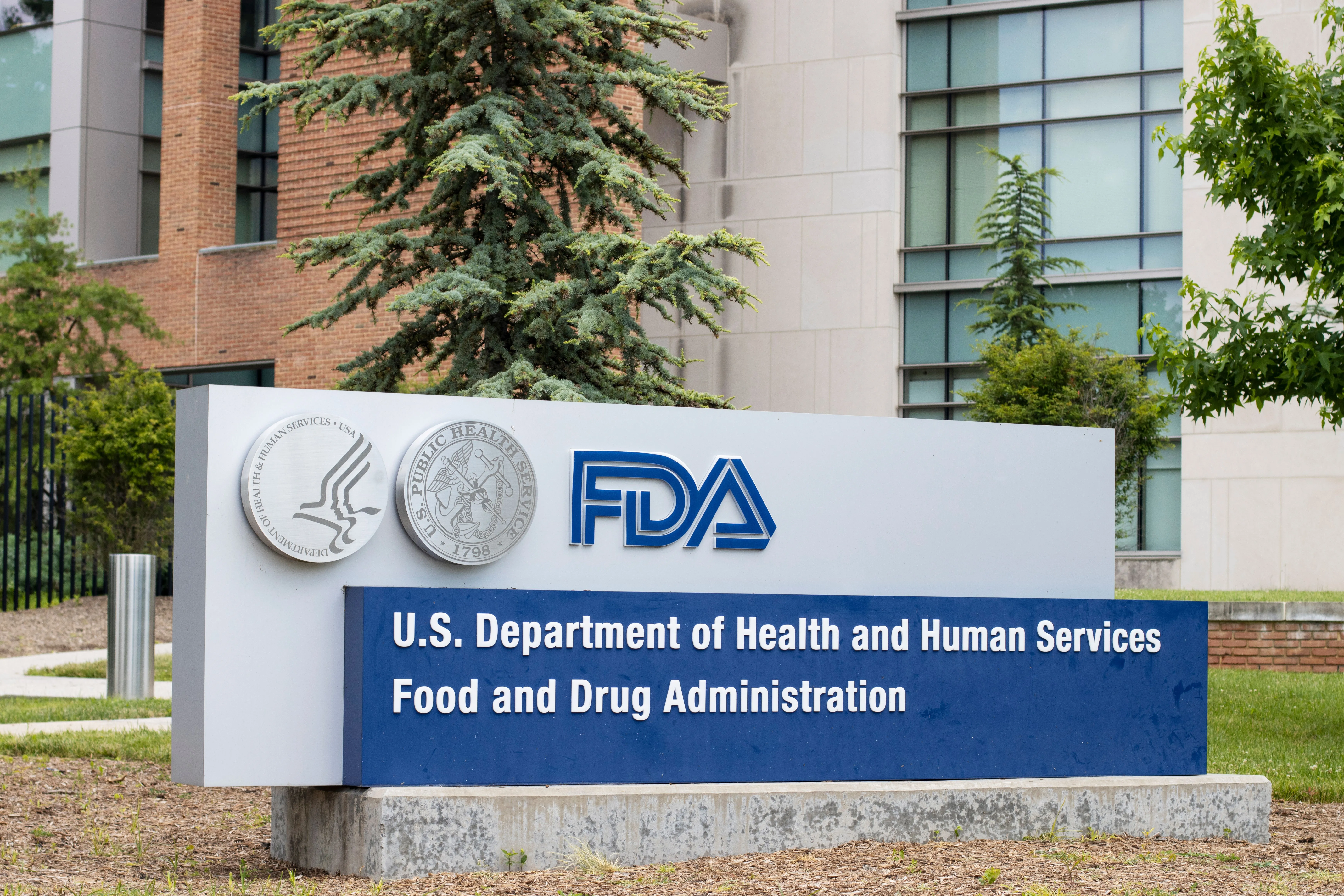
FDA's New Stance on Hormone Replacement Therapy
The FDA has removed the black box label for hormone replacement therapy (HRT), a significant change poised to transform women's health. This decision, announced during a Department of Health and Human Services press conference, recognizes the benefits of HRT in managing menopause symptoms.
Improving Women’s Health Through HRT
According to updated FDA reviews, HRT can reduce the risks of cardiovascular disease by up to 50%, Alzheimer’s by 35%, and bone fractures by 60%. In the early 2000s, a black box warning deterred women from seeking necessary treatments. Now, the FDA counters this misconception with evidence supporting HRT’s efficacy and safety.
Impact on Women’s Lives
Former FDA Commissioner Marty Makary emphasized during the announcement that the stigma surrounding HRT has led to a dramatic drop in usage, from one in four to fewer than one in twenty women relying on these effective therapies. This shift is more than regulatory; it’s revolutionary.
- Menopause symptoms can include weight gain, mood swings, and night sweats, affecting more than 80% of women.
- The approval of two new drugs marks a landmark moment, enhancing treatment options for women.
- Healthcare professionals advocate for a proactive approach to managing menopause, emphasizing the need for treatment.
Today represents hope for many as women can now pursue treatments without fear, ensuring better health outcomes.
Disclaimer: The information provided on this site is for informational purposes only and is not intended as medical advice. We are not responsible for any actions taken based on the content of this site. Always consult a qualified healthcare provider for medical advice, diagnosis, and treatment. We source our news from reputable sources and provide links to the original articles. We do not endorse or assume responsibility for the accuracy of the information contained in external sources.
This article was prepared using information from open sources in accordance with the principles of Ethical Policy. The editorial team is not responsible for absolute accuracy, as it relies on data from the sources referenced.