Court Ruling on TikTok Ban: Navigating National Security and Free Speech Concerns
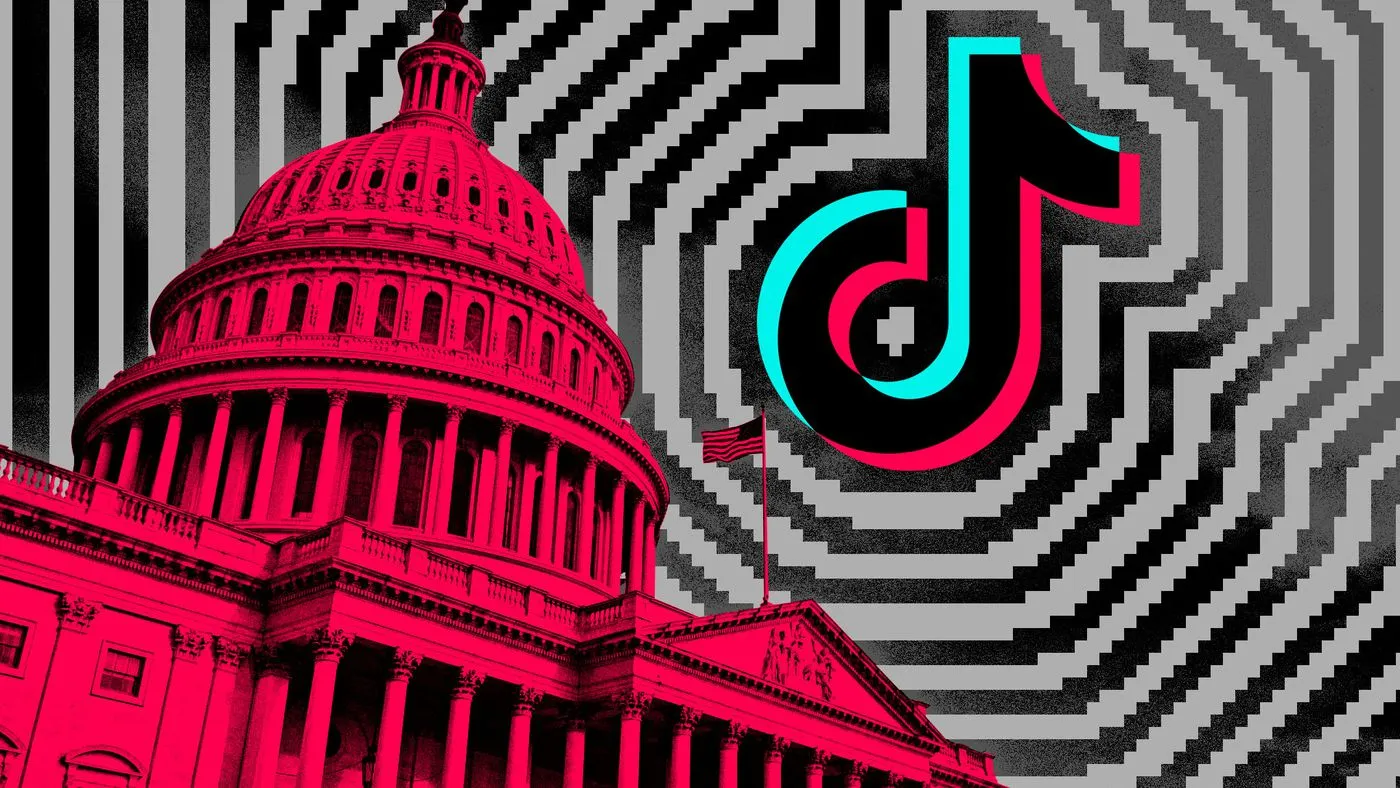
TikTok Ban Ruling Overview
A recent court ruling allows for a potential ban on TikTok, citing national security implications surrounding data collection by the Chinese government. The unanimous decision from the DC Circuit Court of Appeals highlights the complex interplay between national security concerns and free speech rights.
Background of the Legal Dispute
As of January 19th, 2025, ByteDance must divest from TikTok or face a ban in the US. The bipartisan bill, signed into law by President Biden, aims to protect American privacy from foreign influences, fueled by fears of data misuse and algorithm manipulation.
- Key Judge Comments: Judge Douglas Ginsburg emphasized the importance of national security in their ruling.
- First Amendment Concerns: The decision navigates complex First Amendment discussions regarding free speech.
Future of TikTok Under New Law
Despite TikTok's challenges, which argue that the ban silences millions, legal experts believe that the court would uphold the law given its strong national security focus. The possibility of appeal remains open, potentially escalating to the Supreme Court.
- Monitor updates on the court case.
- Understanding the implications of data security laws.
- Stay informed about user rights regarding speech and privacy.
Disclaimer: The information provided on this site is for informational purposes only and is not intended as medical advice. We are not responsible for any actions taken based on the content of this site. Always consult a qualified healthcare provider for medical advice, diagnosis, and treatment. We source our news from reputable sources and provide links to the original articles. We do not endorse or assume responsibility for the accuracy of the information contained in external sources.
This article was prepared using information from open sources in accordance with the principles of Ethical Policy. The editorial team is not responsible for absolute accuracy, as it relies on data from the sources referenced.