Mpox Declared Public Health Emergency by WHO as India Reports First Suspect Case
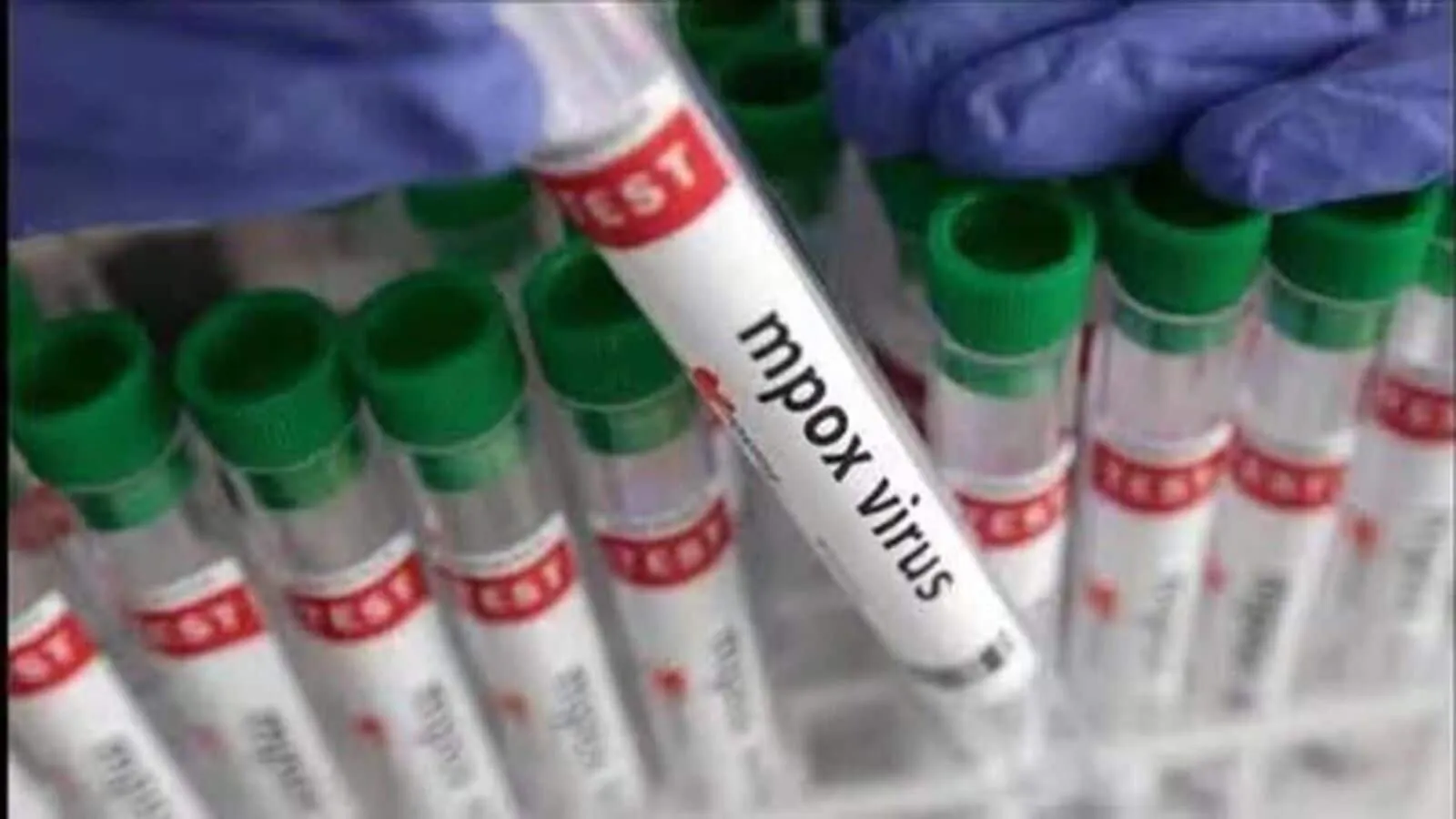
WHO Declares Mpox a Public Health Emergency
The World Health Organization (WHO) has declared Mpox a Public Health Emergency following the emergence of a new strain that poses greater risks. Recent reports indicate that India has recorded its first suspect case of Mpox.
India's First Suspect Case of Mpox
In response to the initial report, Union Health Secretary Apurva Chandra has issued an advisory to states and union territories, instructing them to take preventive measures to minimize the spread and lower the risk of death associated with Mpox. Local authorities are urged to review the protocols in public health facilities.
The identified suspect case involves a young male patient returning from a country experiencing an outbreak. The patient has been isolated and is in stable condition while awaiting test results.
Preventive Measures and Public Awareness
- Local Health Authorities instructed to sensitize public and healthcare workers on symptoms and infection protocols.
- Surveillance strategies and testing measures are to be implemented as outlined by the National Centre for Disease Control.
- Screening of suspected cases should occur at intervention sites for vulnerable populations.
Mpox infections generally manifest symptoms over 2-4 weeks and are typically self-limiting. However, the importance of public awareness cannot be overstated, as most cases reported have involved young males with a significant portion also living with HIV.
Global Context and Historical Outbreaks
The first human monkeypox case was documented in 1970 in the Democratic Republic of Congo. The recent upsurge in cases, including over 15,600 verified instances this year, necessitates global vigilance and coordinated efforts against Mpox.
Disclaimer: The information provided on this site is for informational purposes only and is not intended as medical advice. We are not responsible for any actions taken based on the content of this site. Always consult a qualified healthcare provider for medical advice, diagnosis, and treatment. We source our news from reputable sources and provide links to the original articles. We do not endorse or assume responsibility for the accuracy of the information contained in external sources.
This article was prepared using information from open sources in accordance with the principles of Ethical Policy. The editorial team is not responsible for absolute accuracy, as it relies on data from the sources referenced.